
Nylon versus steel rollers
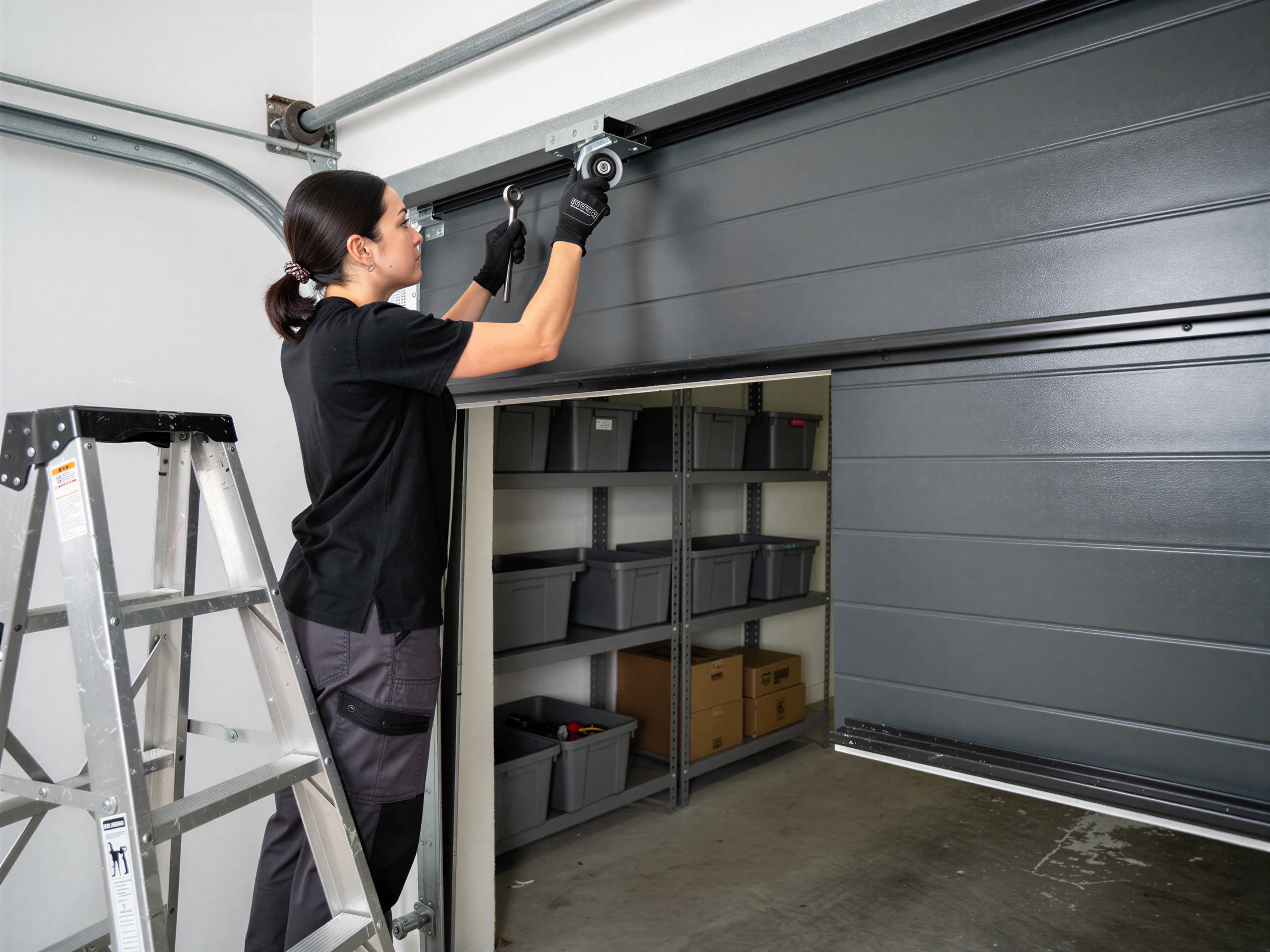
We price roller jobs by what's actually on the track: nylon rollers with sealed bearings on one end of the range, steel rollers on the other, and the number of rollers that need swapping versus just the worst two or three.
Otis Orchards East Farms, Spokane Valley
Roller replacement for the roughly 2,050 households of Otis Orchards-East Farms, WA - a 7-mile run from our Spokane Valley trucks, built for 1960s-80s steel track doors.
Pricing
Otis Orchards-East Farms is a small place - about 2,050 households, not a sprawling grid of subdivisions. That matters for roller work because the doors here tend to be original to houses built in a fairly narrow window, and a smaller town means fewer roller styles in play than you'd find across the wider Spokane Valley service area, where stock spans 1951 to 2008.
We price roller jobs by what's actually on the track: nylon rollers with sealed bearings on one end of the range, steel rollers on the other, and the number of rollers that need swapping versus just the worst two or three.
We don't quote a flat number here because a full 10-roller set costs more than a 4-roller partial fix, and we won't sell you parts you don't need.
What we can tell you is that median household income in this area runs $90,750, well above the wider service area's $78,841 - which is part of why we see more owners here choose to replace a full set rather than patch one roller at a time.
On the truck
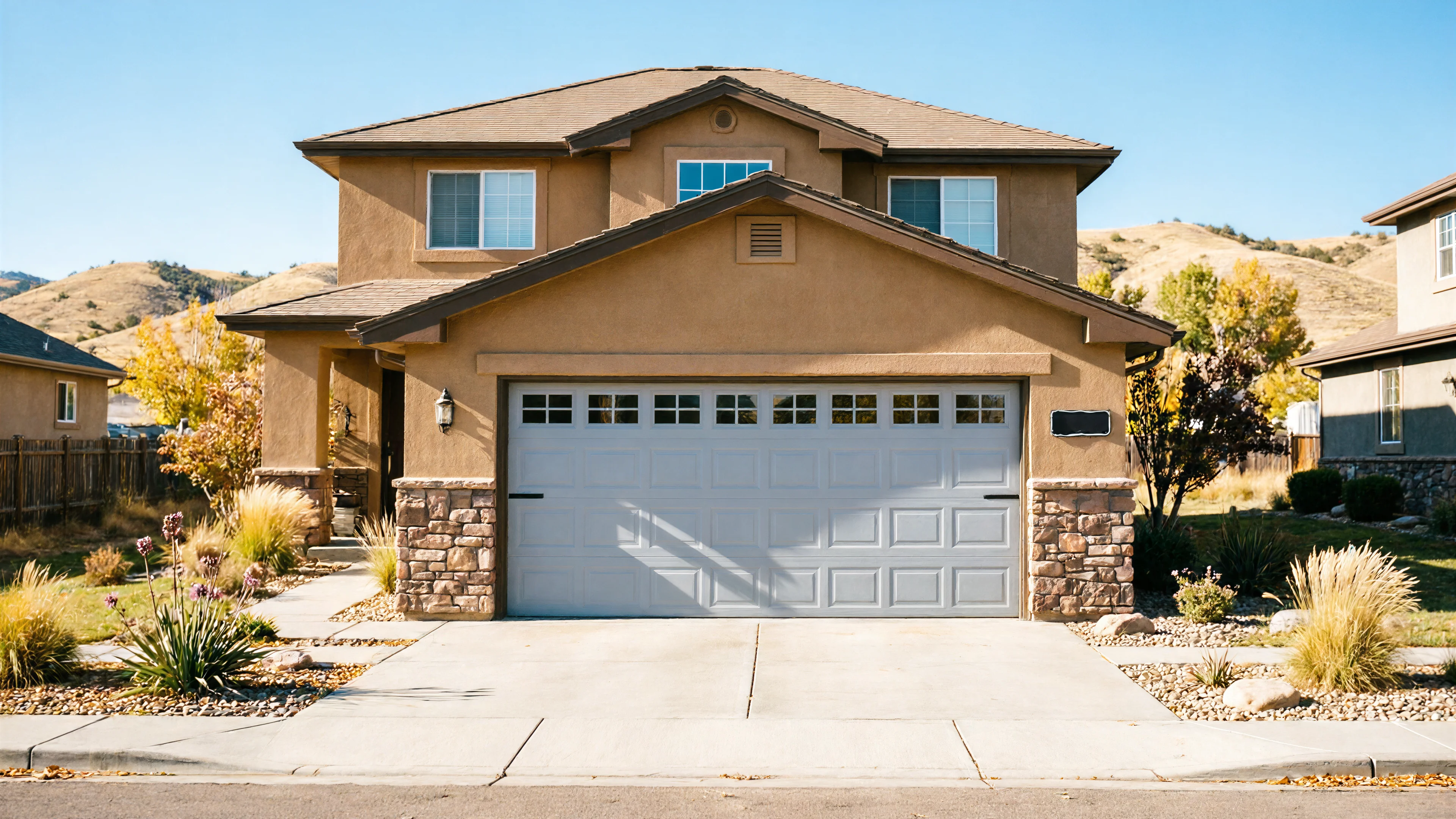
Housing stock across the broader Spokane Valley service area runs 1951 to 2008, with a median build year of 1978 - and that 1978 median lines up closely with what we see on calls out to Otis Orchards-East Farms. A door that age is usually on steel track with a 2-inch radius, not the newer 3-inch track that nylon rollers prefer. We carry both 7-ball steel rollers for the older track and sealed-bearing nylon rollers sized for the newer radius, because guessing wrong means a second trip. We also stock the stems and cones that match 1970s-80s hardware, since those odd stem lengths are exactly what stops a generic hardware-store roller from fitting right. If your track has been bent or re-set over the years - common after decades of winter use - we check radius before we quote rollers, because the wrong roller on the right track still binds.
DIY or pro
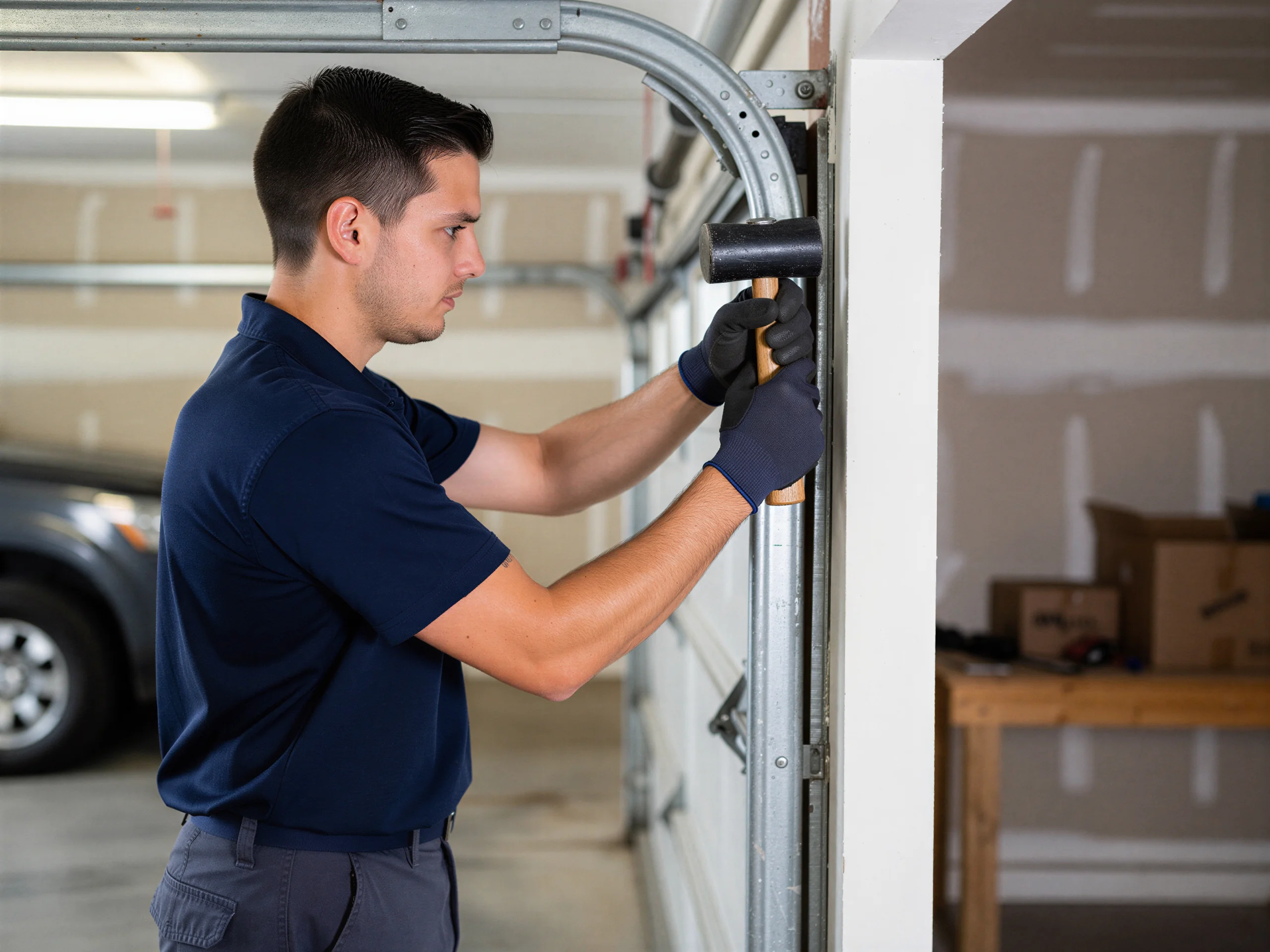
Swapping a top roller or two on a door that still runs straight is a reasonable weekend job if you've got vise grips to clamp the track, the door is down, and the spring is unplugged from the equation.
Where people get hurt is pulling a roller near the bottom bracket while the door is under spring tension, or on a door old enough that the track itself has rusted at the seams - not rare on hardware that's been through decades of our winters.
If a roller has already jumped the track or the door is binding hard on one side, that's past a DIY fix; forcing it usually bends the track further and turns a roller job into a track replacement.
Honest limitation: we don't talk anyone through this over the phone. If the door's still moving and you want to try it yourself, go slow and keep hands clear of the bracket.
Timing
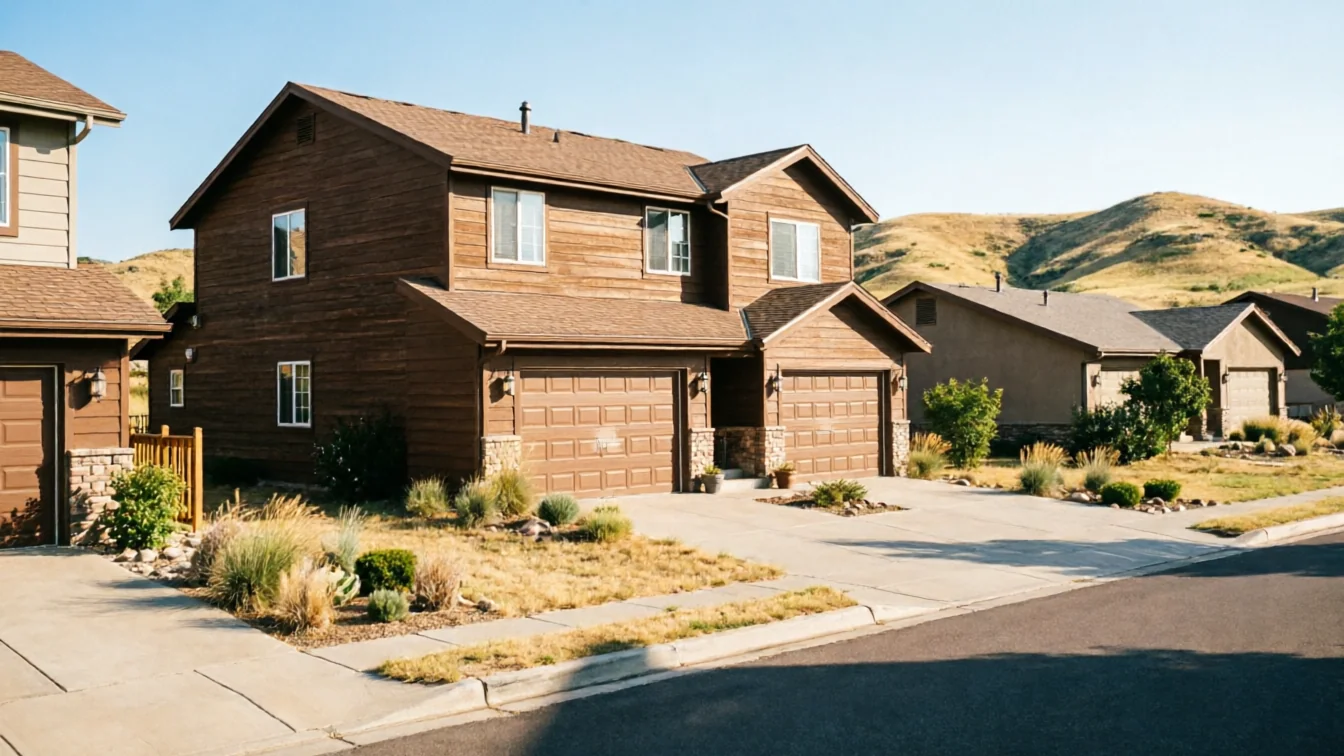
Otis Orchards-East Farms sits about 7 miles out from our Spokane Valley base, so figure that drive time into the morning before the actual roller swap starts. Once a truck is on site, replacing a full set of rollers on a single door usually runs under an hour; a couple of individual rollers near a bent bracket can take less, or longer if the bracket itself needs straightening or swapping. We don't keep a branch or crew stationed in Otis Orchards-East Farms - every job here is a dispatch from Spokane Valley, which is why we batch calls in this area together where we can rather than sending a truck out for a single roller on its own.
Our process
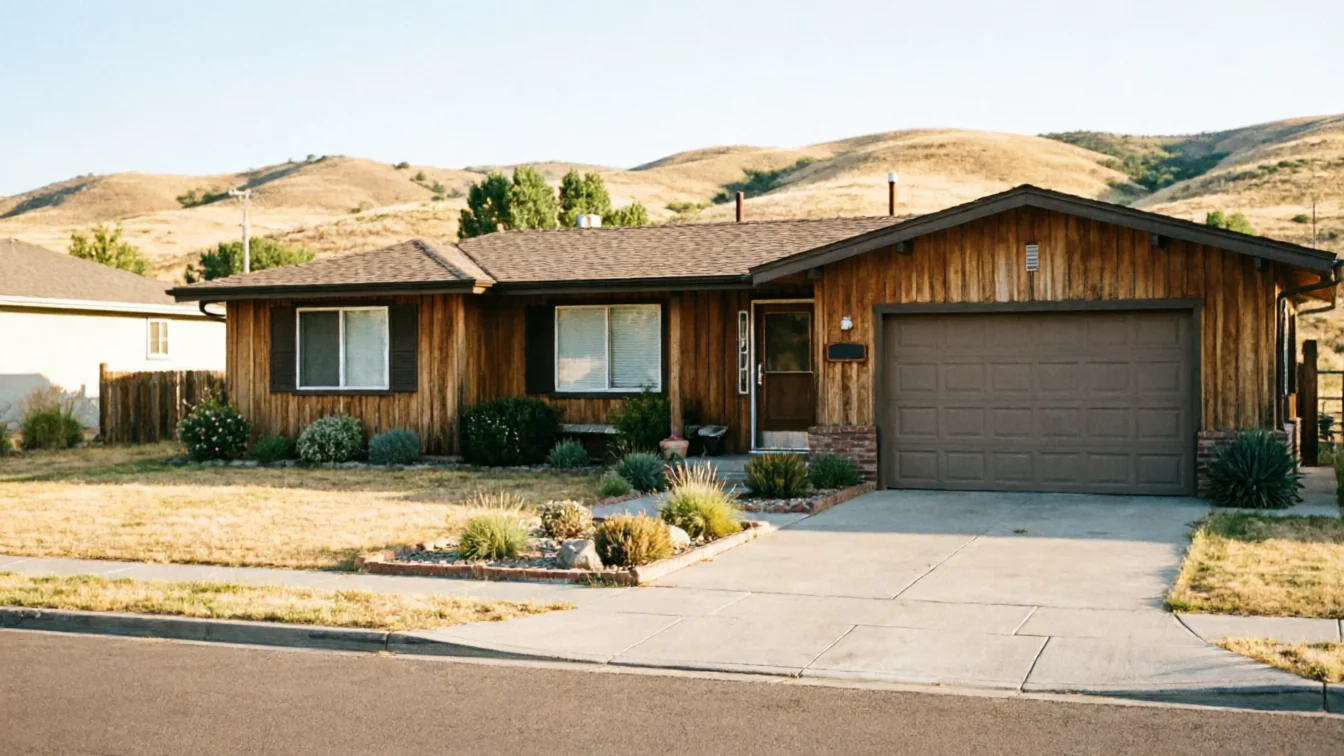
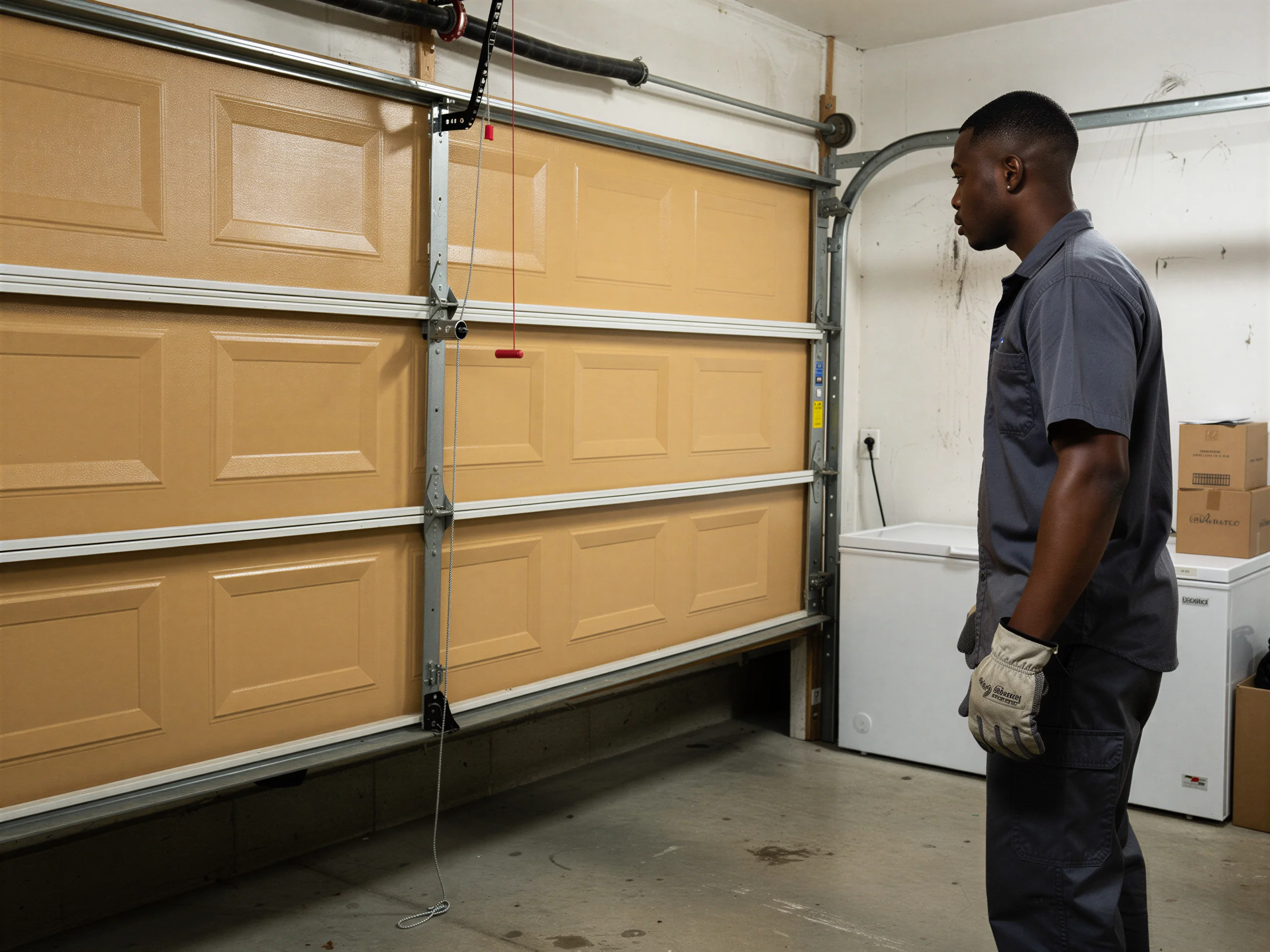
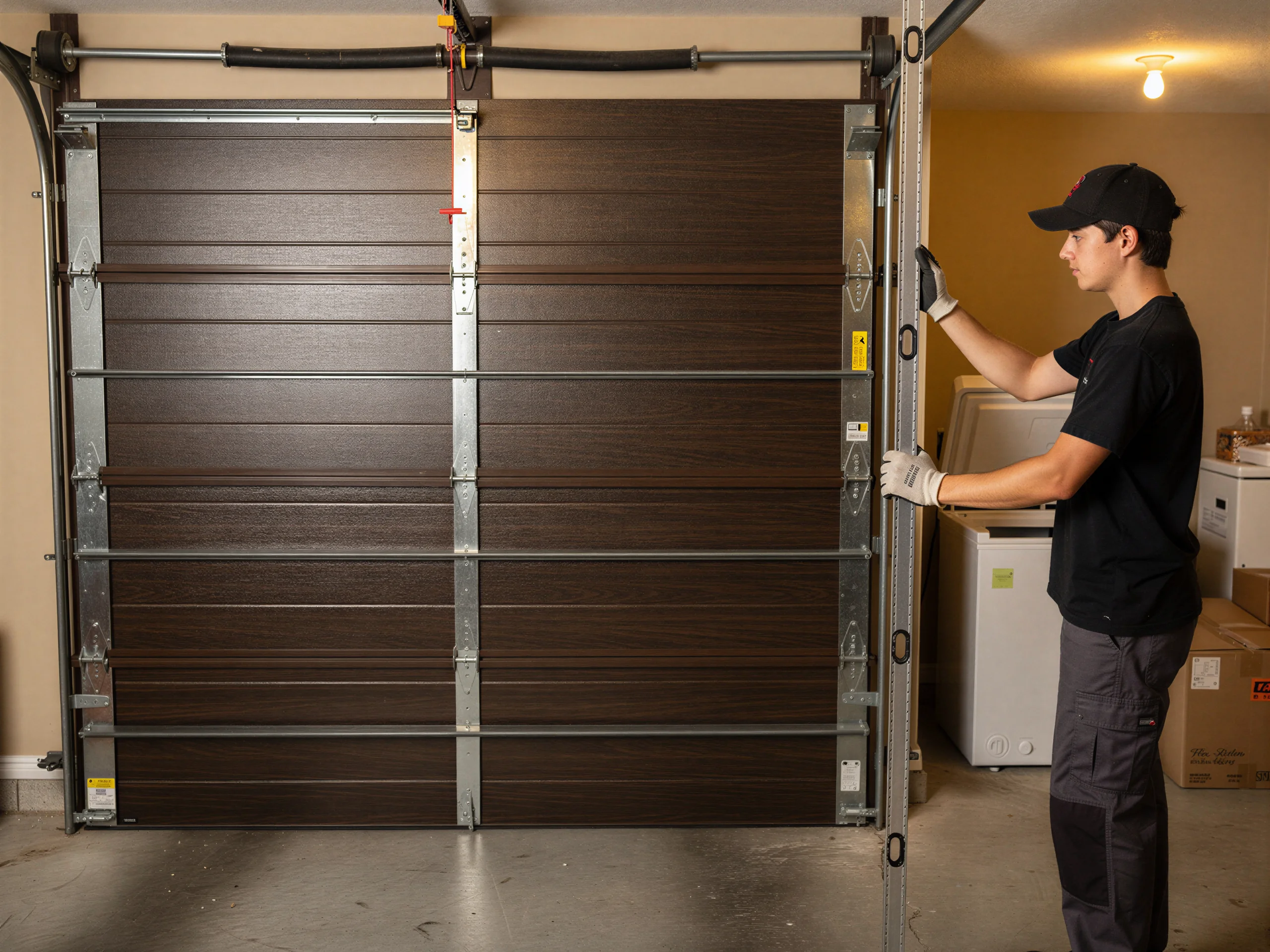
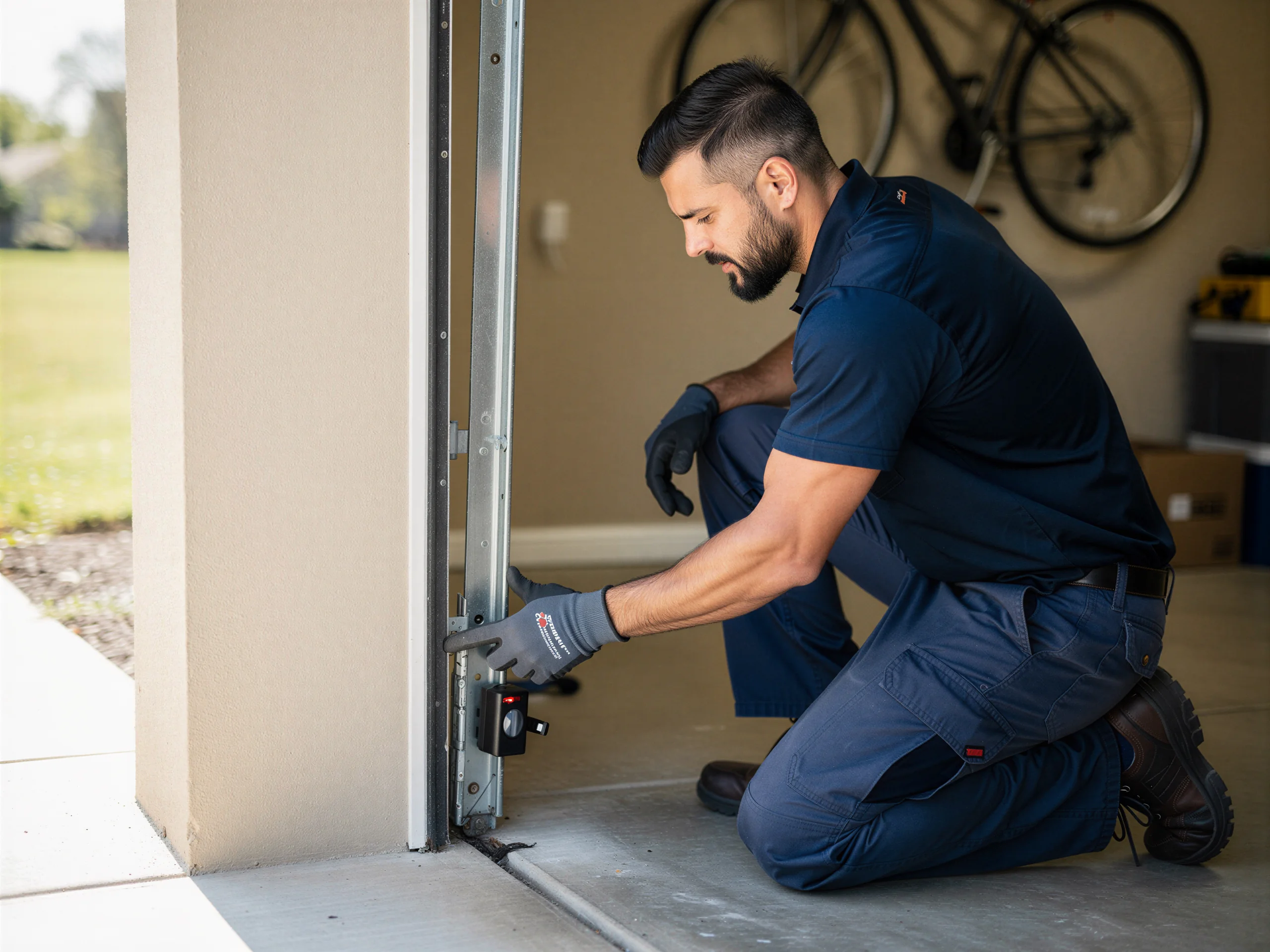
First we run the door by hand with the opener disconnected, watching the rollers at the bend where track meets header - that's where wear shows first on doors from this area's 1978-era stock. We check each roller for a flat spot, a cracked nylon wheel, or a bearing that's gone dry, and we check the track radius before swapping anything, since steel track that's been knocked out of true will eat a new roller just as fast as it ate the old one. We replace rollers in sets on one side at a time so the door never comes off both tracks at once, then run it up and down a few times under power to listen for the catch or grind that usually means one more roller needs attention near the bottom. If the track itself is bent beyond a clean straighten, we say so before we start billing for rollers that won't fix the real problem.
Questions
No. We work out of Spokane Valley and drive the roughly 7 miles out to Otis Orchards-East Farms for calls. We don't keep a separate branch or stock point here, so we schedule by truck route rather than promising a fixed same-day window.
Likely yes. The wider service area's housing median is 1978, and doors from that era usually run 2-inch radius steel track, which takes 7-ball steel rollers rather than the sealed nylon rollers made for newer 3-inch track. We check radius before quoting so you're not sold the wrong part.
Depends on wear. If only one or two rollers near the bottom bracket are flat-spotted and the rest run quiet, we'll swap just those. If most of the set is original to a 1970s-era door, replacing all of them in one visit usually costs less overall than coming back twice.
Explore more
Ready when you are
Spokane Valley Garage Door Pros repairs and installs garage doors, springs and openers in Spokane Valley, WA and the surrounding area.