
Older spring setups
That means a lot of doors on older torsion or extension spring setups, sometimes paired with openers that have been swapped out once already over the decades but still ride on the original track and rollers.
Otis Orchards East Farms, Spokane Valley
Garage door repair for Otis Orchards-East Farms homes built mostly in the 1960s-70s, served from Spokane Valley 7 miles away. Honest repair-or-replace advice.
Pricing
The median household income in Otis Orchards-East Farms runs about $90,750, roughly $12,000 above the $78,841 median across our whole service area. That gap matters when we're standing in your driveway talking about a broken spring versus a new opener. On a house built around 1978 - which is the median year here - a torsion spring replacement is almost always the right call over a full door swap, because the frame and track are usually sound even if the hardware has worn out. We don't quote a flat number for every job because spring size, door weight, and whether the drums or cables need replacing too all change the bill. What we will tell you straight: if your opener is original to a house from the 1960s or 70s, the motor and gear set are near the end of their service life regardless of income bracket, and we'll say so before we start charging you for parts that won't outlast the unit around them.
On the truck
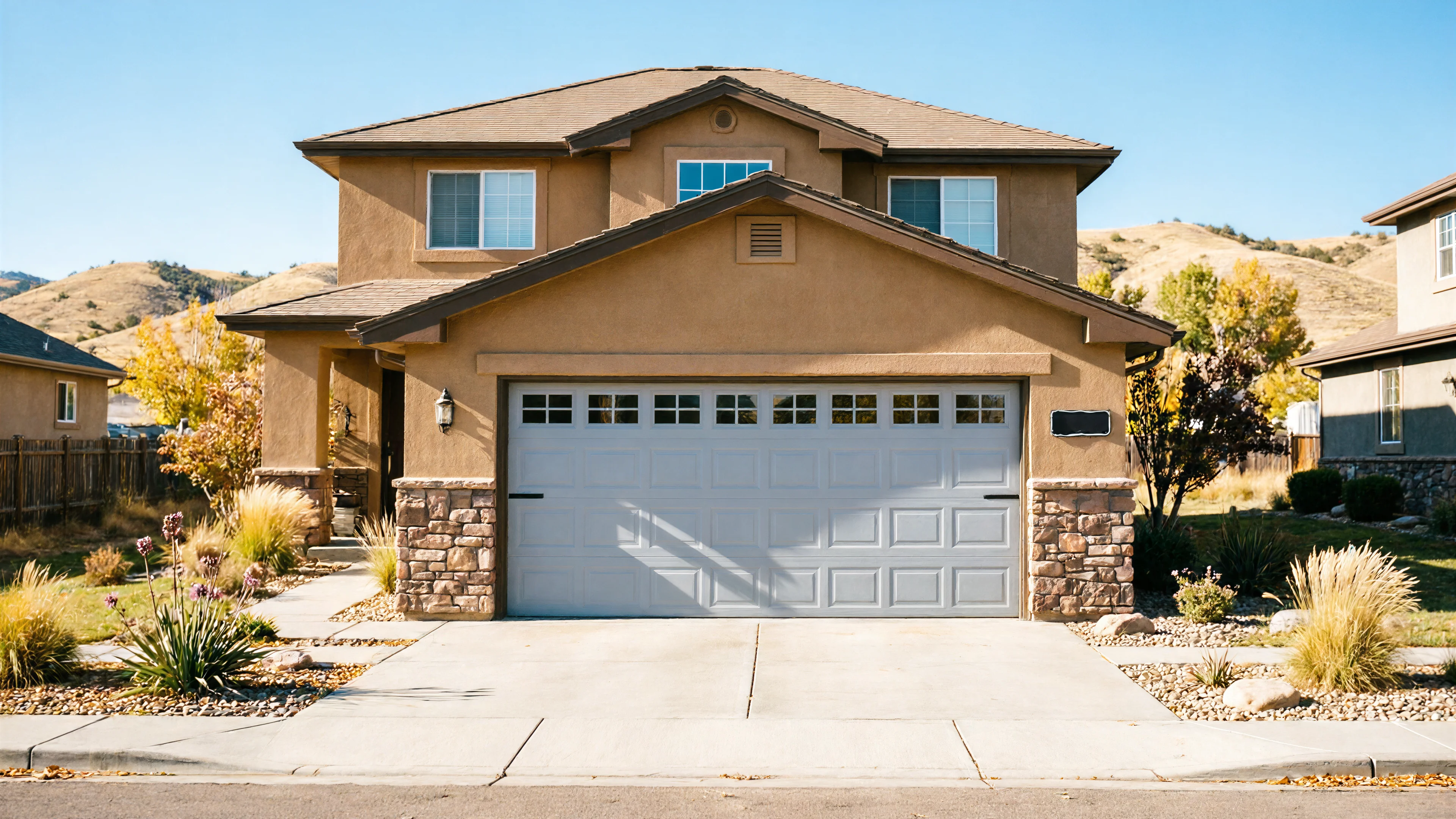
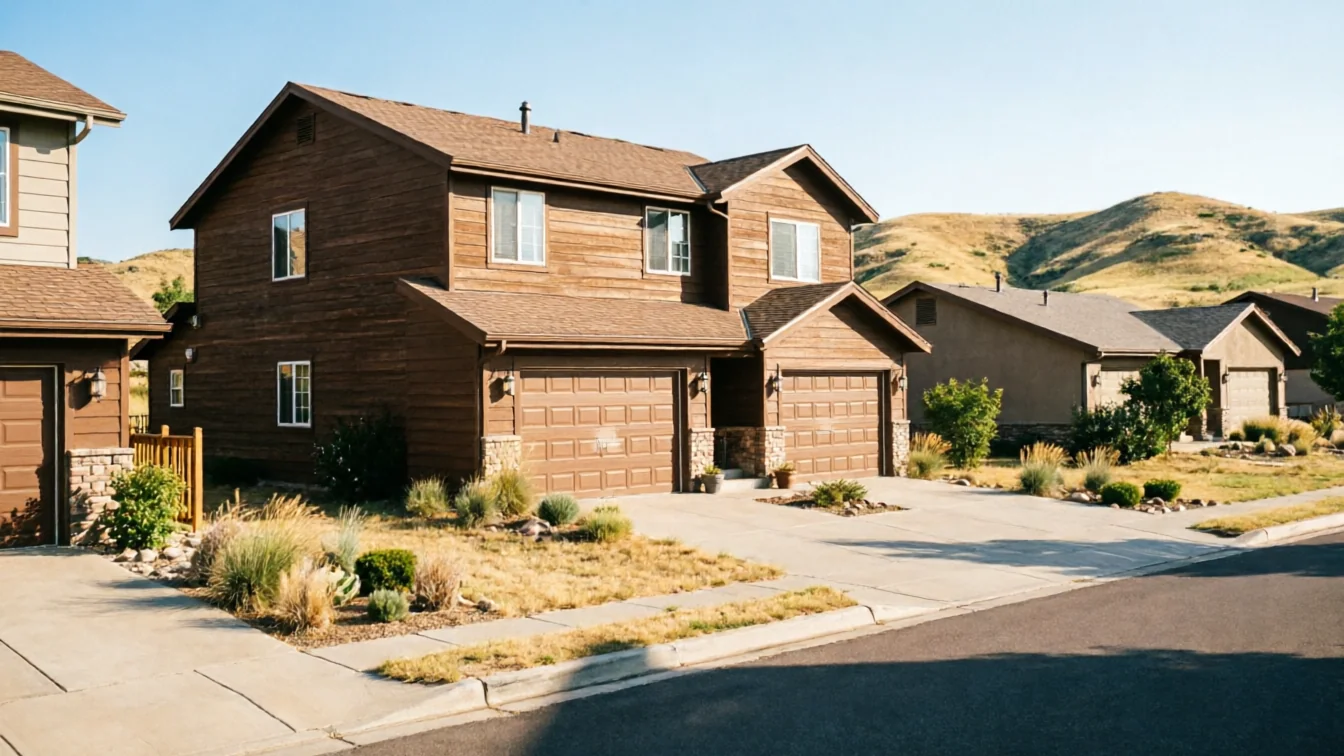
Housing stock out here mostly dates from the 1960s and 70s, same build window that shows up across the wider area, with a median year of 1978.
That means a lot of doors on older torsion or extension spring setups, sometimes paired with openers that have been swapped out once already over the decades but still ride on the original track and rollers.
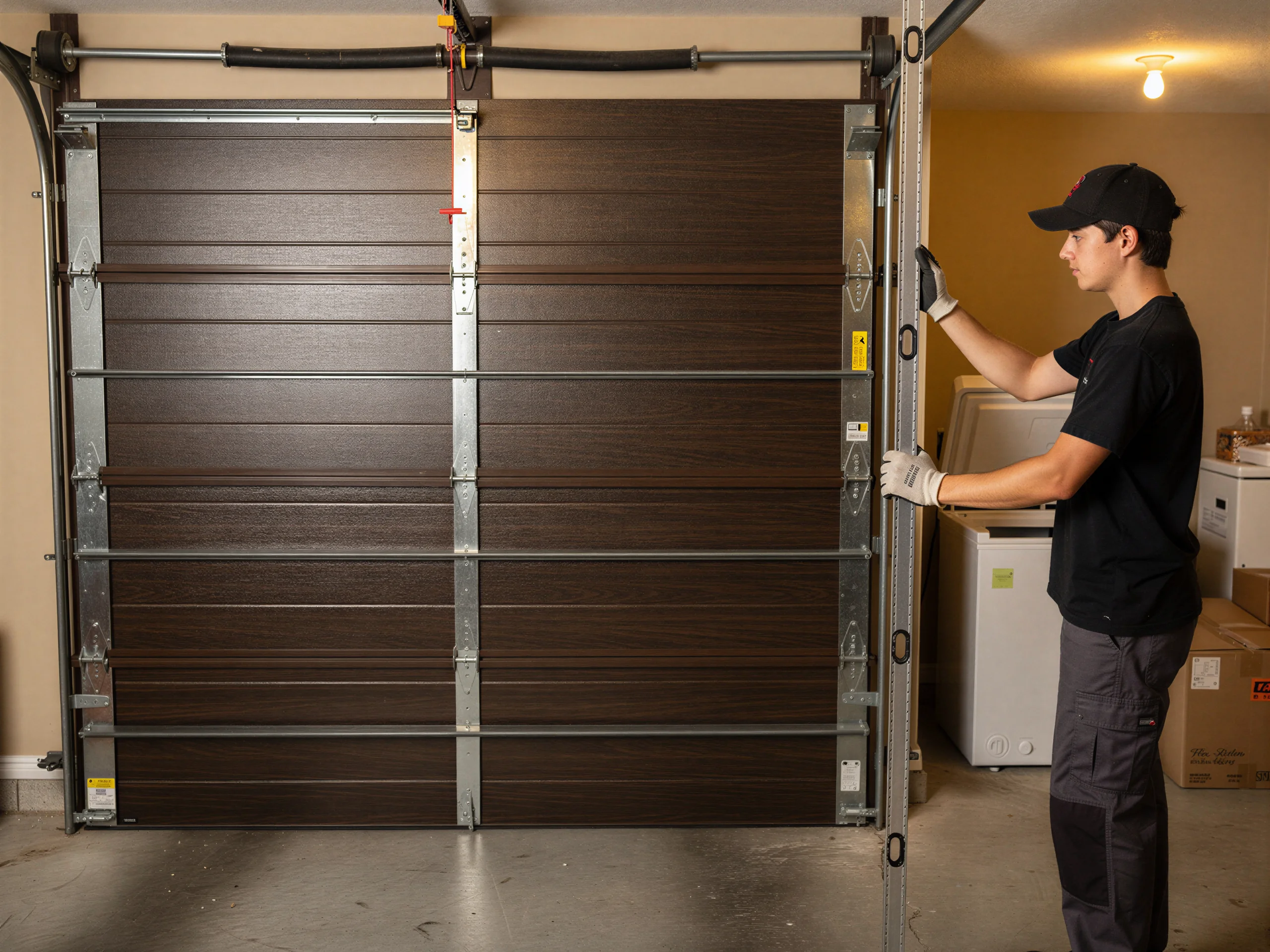
We carry standard torsion springs sized for residential sectional doors, extension spring sets, galvanized rollers, and cables in common lengths, because that's what shows up in houses from this era.
What we don't stock on the truck is anything custom-width or a legacy opener logic board from a defunct brand - those get special-ordered, and we'll tell you the lead time up front rather than promise same-day on a part that isn't sitting on the shelf.
DIY or pro
A torsion spring under tension can break a bone or worse, and that's true whether the door is five years old or forty. If your door won't open and you can see a gap in the spring coil above the door, stop there - that's not a job for a Saturday with a borrowed winding bar. What you can safely check yourself: the photo-eye sensors near the floor for dust or misalignment, the track for visible dents, and whether the door is balanced (disconnect the opener, lift it halfway by hand, see if it holds). Given our cold winters here, ice buildup on the bottom seal is another thing worth a look before you assume it's a spring or cable problem - sometimes it's just frozen to the slab.
Timing
Most spring and cable repairs on a standard residential door run under two hours once a truck is on site.
Opener replacements take longer, usually most of an afternoon, especially on houses from the 1960s-70s stock where the header bracket or wiring doesn't match what a current opener kit expects out of the box.
We travel to Otis Orchards-East Farms from Spokane Valley, about 7 miles out, so factor that into scheduling - we're not based in the neighborhood and don't pretend to be. If a part needs ordering because it's not a standard size for this build era, that adds days, not hours, and we'll give you a real estimate rather than a guess.
Our process
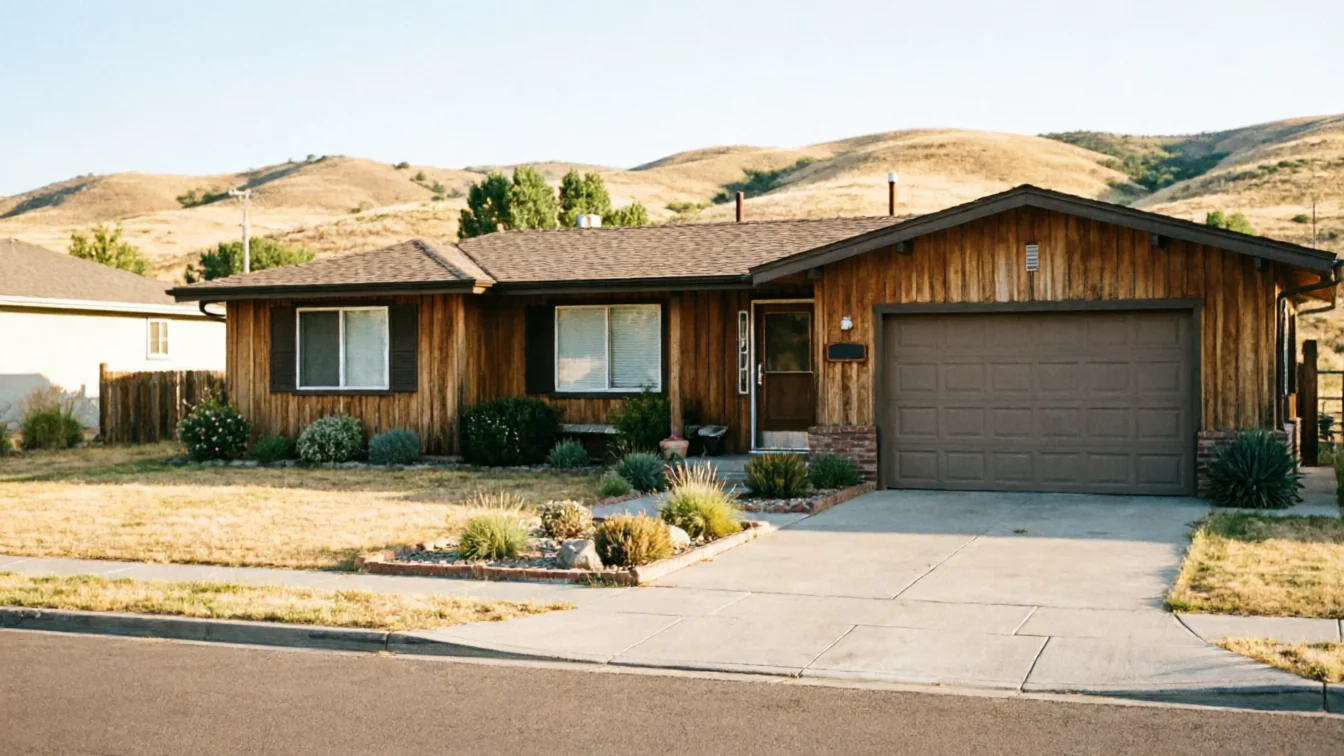
We start by checking the age and type of hardware against the house - a door from the median 1978 build year behaves differently under a broken spring than one from the 2000s, and the fix follows the hardware, not a script. For torsion failures we wind in a properly sized replacement spring matched to door weight, not a generic stock size. For cable and roller wear, common on doors that have been running 30-40 years on original hardware, we replace both cables as a pair even if only one has frayed, since the other is usually close behind. Our winters here run cold with real snow load, so we check seals and weatherstripping as part of any service call, not as an upsell - a door that seals poorly in a severe cold climate costs the owner more in heating than the repair itself.
Questions
No. We work out of Spokane Valley and drive out to Otis Orchards-East Farms, about 7 miles away. There's no local storefront here, just a truck that comes when you call. That's worth knowing if you're expecting a drop-in counter visit rather than a scheduled job.
Doors built in the 1960s-70s era, which describes a lot of houses here, often used heavier wood-core panels and different spring tension than today's lighter steel or composite doors. Using a generic modern spring on an older door can leave it unbalanced or straining the opener. We size to the door, not the catalog page.
Usually not, if the track and frame are square and the panels aren't rotted or badly dented. At the income level typical here, most owners come out ahead repairing hardware on an otherwise sound door rather than replacing the whole unit. We'll tell you if yours is the exception.
Our winters sit in a severe cold climate band, which stiffens springs, thickens lubricant, and can freeze a bottom seal to the slab. Cold metal is also more brittle, so a spring already near failure is more likely to snap on a cold morning than a mild one. We account for that when we diagnose a cold-weather call.
Explore more
Ready when you are
Spokane Valley Garage Door Pros repairs and installs garage doors, springs and openers in Spokane Valley, WA and the surrounding area.