Doing Nothing For Now
A lot of homeowners here let a noisy door run for months because it still opens and closes. Across the 21,258 households in our service area, with 10,366 of those owning rather than renting, the garage door is usually low on the list until it stops working altogether. That's understandable when the median household income here sits around $78,841 and there's always something else pulling at the budget.
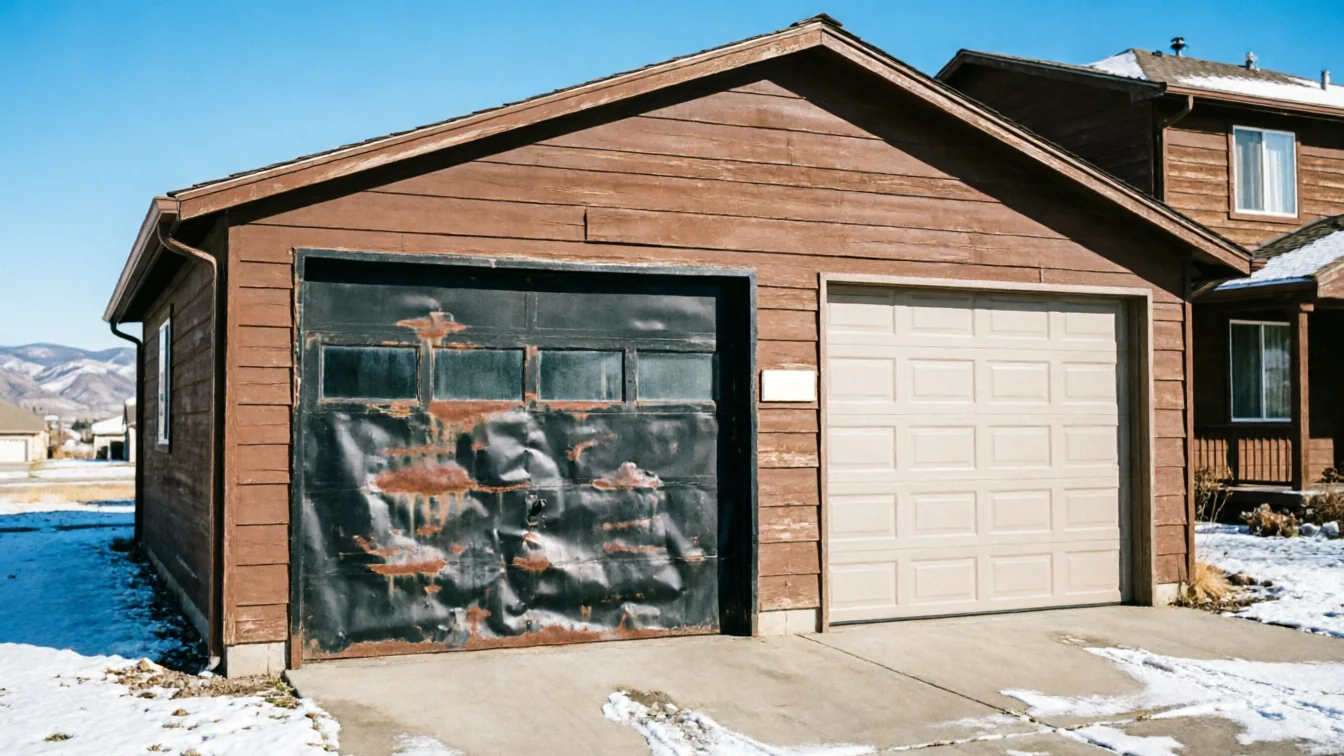
The problem is that a door doesn't go from noisy to dead overnight most of the time. It gives you weeks, sometimes months, of warning sounds first. A squeal that shows up only on cold mornings, a thump every time the door passes the same spot on the track, a pop right before the door opens - these are the door telling you which part is wearing out before that part actually lets go. Waiting usually just changes the repair from a $20 roller to a spring, cable, or opener gear replacement.
We're not going to tell you every sound is an emergency. A lot of them aren't. But a lot of them are cheap to fix now and expensive to ignore. That's really the whole argument for paying attention instead of turning the radio up.
What the Weather Here Does to It
This area sits in a severe cold climate band, and that matters more to a garage door than most people think. Steel contracts in the cold, grease thickens, and metal-to-metal parts that were quiet in August start talking in January. A torsion spring that's lost a little tension over the summer will often announce itself the first hard freeze of the season, because cold steel is less forgiving of a spring that's already weak.
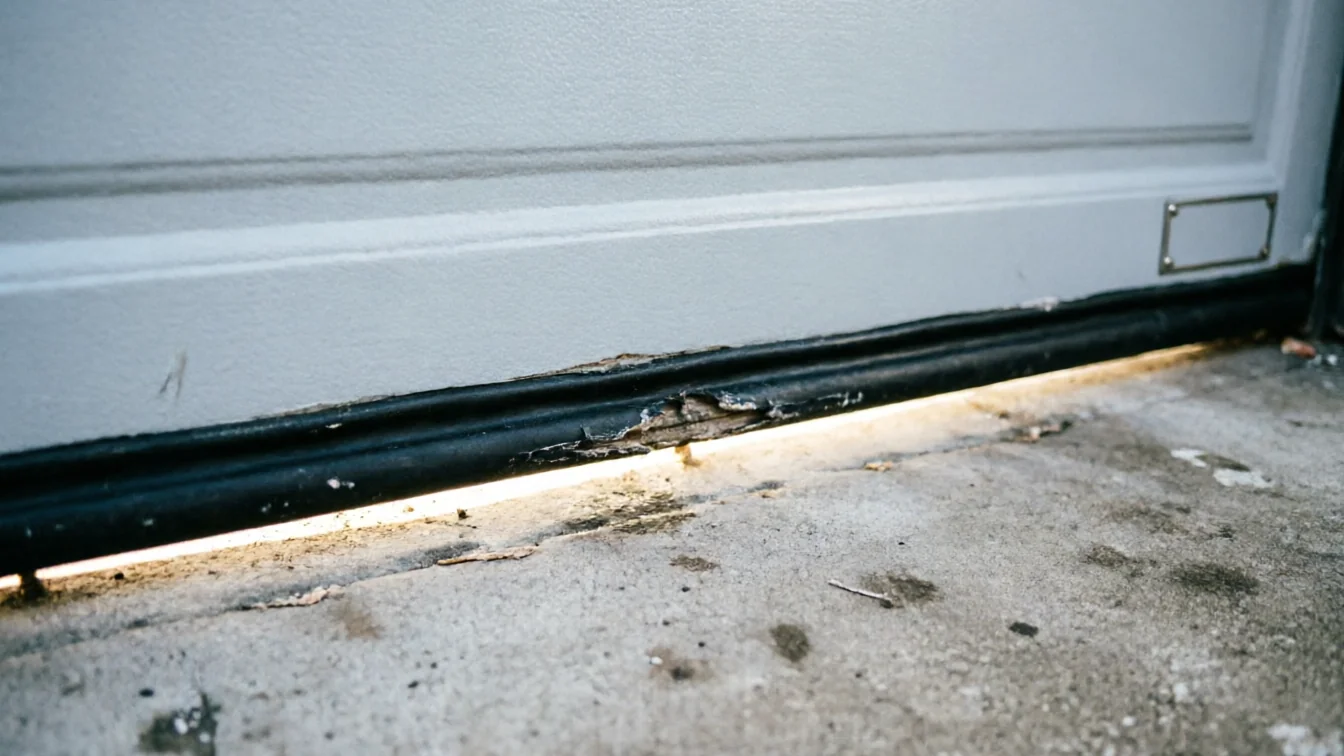
The track is the other place cold shows up. Old grease in the rollers stiffens, rollers skip instead of roll, and you get a popping or clunking sound as the door jerks through that stiff section instead of gliding. On older doors especially, that uneven motion puts extra load on the opener and on cables that are already working harder in the cold.
We see this pattern every year here: quiet door all summer, noisy door the first cold snap. It doesn't mean something broke overnight. It means the cold just exposed wear that was already there. If your door gets loud exactly when the temperature drops, that's not a coincidence - that's the climate doing what it does to aging hardware.
What Is Going On
Housing stock in this area mostly went up between 1951 and 2008, with the median build year around 1978, and most of the eleven named neighborhoods we work in are dominated by 1960s and '70s construction. That matters because doors and openers from that era, or original hardware that's been replaced once since, tend to fail in predictable ways tied to their age.
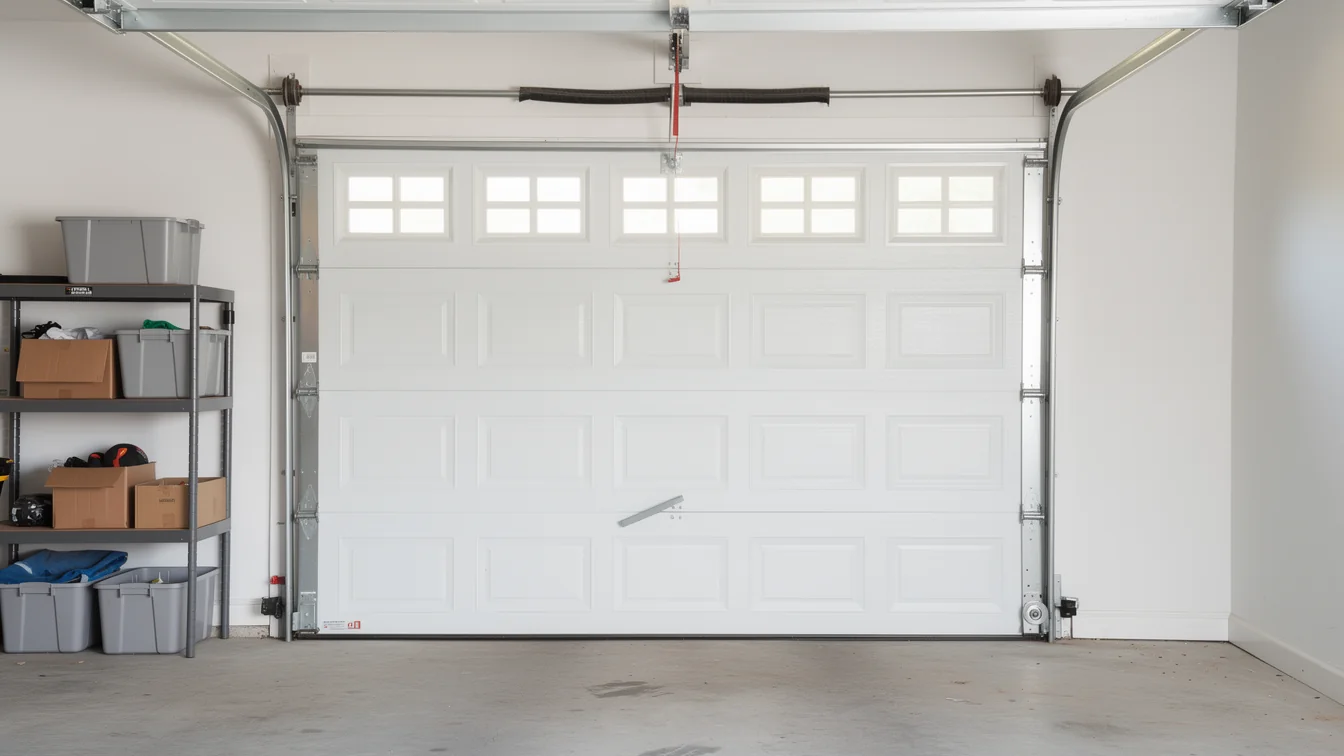
A grinding sound when the door moves is usually a roller that's lost its bearing or a track that's gone slightly out of alignment over decades of settling. A loud bang partway through the cycle is very often a torsion spring giving out - common on doors that have never had the spring replaced since the house was built in that 1960s-70s window. A rhythmic clicking tied to the opener motor, rather than the door itself, points to a worn gear inside the unit rather than anything on the door.
On a house from that 1978-ish era with original hardware, we're also looking at galvanized cable fraying, especially if the door's never been serviced. None of this is unique to one house - it's the pattern you get when a whole neighborhood was built in the same decade and the garage doors are all reaching the same age at roughly the same time.
What It Costs
We're not going to put a number here that doesn't hold up once a tech is standing in your garage. What a noise actually costs to fix depends on which part failed, whether it's a single or double door, and sometimes on how fast a particular part can be sourced - that last one is the honest limitation: some opener gear kits and older spring sizes aren't sitting on a shelf, and a same-day fix isn't always possible if yours is one of those.
What we can tell you is that the noises in the sections above almost never mean a full door replacement. A roller job, a spring replacement, or an opener gear kit are all repairs, not replacements, and they're priced as such. The sound that should worry you more is silence from a door that used to run quiet and now won't move at all combined with a burning smell from the opener - that's closer to a motor failure, which costs more than any of the noise-related fixes above.
If you want an actual number, that takes a look at the door, not a guess over the phone.
Talk to a local pro
Garage door trouble in Spokane Valley?
Same-day service with honest, upfront quotes.