Spokane Valley, WASame-day service/Free estimates/Licensed & insured(509) 204-9610

Spokane Valley, WA

Garage Door Roller Replacement for Spokane Valley Homes

Grinding, hopping, or a door that sticks on the track usually means worn rollers, not a bad opener. Here's why that's so common in Spokane Valley's older housing stock.

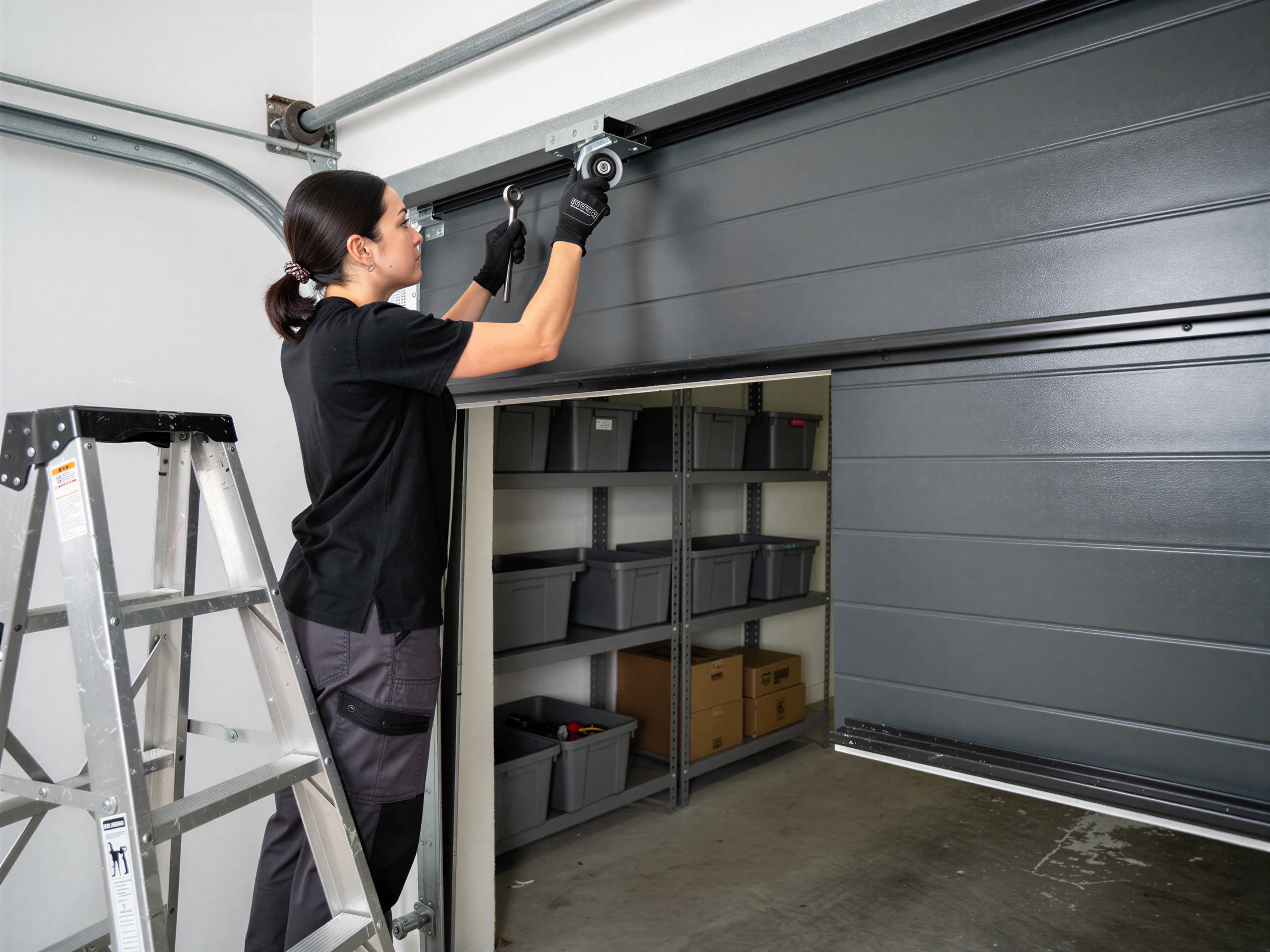
A technician on a ladder adjusts a gray garage door with a wrench.
Spokane Valley, WA
Serving Spokane Valley, WABackground-checked techsHonest, upfront pricingFast local response
Local
Crews that work this area daily
Same-day
Response for most repair calls
Upfront
Pricing agreed before we start
Insured
Background-checked technicians

Warning signs

How It Shows Up

The first sign is usually noise. A door that used to roll quiet starts grinding or clunking at the same spot on the track every time it opens.

Hopping at track bend

Next comes the hop - the door jumps a little instead of sliding smooth, especially right where the roller meets the bend at the top of the vertical track. Left alone, a cracked roller starts chewing up the track itself, and what was a $20-a-wheel fix turns into a track replacement.

Original nylon roller stock

Much of this housing across Spokane Valley went up between 1951 and 2008, with the bulk of it dating to the 1960s and 70s across the area's eleven named neighborhoods. That generation of door came standard with nylon rollers on steel stems, a design that held up fine for decades but wasn't built for the freeze-thaw cycling this region gets.

Brittle rollers in cold

Spokane Valley sits in a severe cold climate band, and that matters here specifically: rollers that sit in an unheated garage track through repeated hard freezes get brittle, then crack under the stress of daily use.

Dry rattle as warning

You'll usually hear it before you see it - a dry rattle on the way up, a hitch on the way down. If your door is original to a house from that build era, the rollers are often the oldest moving part on the whole assembly, and they're usually the first thing to go.

DIY or pro

Doing It Yourself

You can do some of this yourself, and you should check it before calling anyone. With the door closed and the opener disconnected, look at each roller where it sits in the track - turn it by hand.

Lubricant choice for rollers

If it's cracked, flat on one side, or doesn't spin freely, that's your answer. A shot of garage door lubricant (not WD-40, which washes out grease and attracts grit) on the rollers and hinges can buy you a few weeks if the wheels themselves still look sound.

Bottom bracket cable hazard

What you shouldn't do yourself is pull rollers near the bottom bracket on a door with the spring still under tension, or swap out track sections. The bottom bracket is attached to the cable system, and that cable is under load any time the spring is wound.

Stuck bracket stop point

We've had calls where someone got partway through a roller swap and realized the bracket wouldn't come free without touching the cable - that's the point to stop and call, not push through. If your rollers are the narrower 2-inch style common on older tracks here, a straight swap to newer steel rollers sometimes needs a track adapter too, which isn't always obvious until the part's in your hand.

Booking

How to Book

If you've checked the rollers and they're cracked, flat-sided, or seized, that's a straightforward call - no need to wait until the door comes off the track entirely. Tell us what you heard and where in the swing it happens; that alone usually tells us whether we're looking at rollers, hinges, or a bent section of track. We run this job across the whole Spokane Valley service area, from Veradale and Greenacres in close to Liberty Lake, Otis Orchards, and the farther stops like Rockford and Fairfield. Head to our home page for the rest of what we handle and to get a call scheduled. We'll ask for the rough age of the door and whether it's a single or double, since that changes the roller count and the job time.

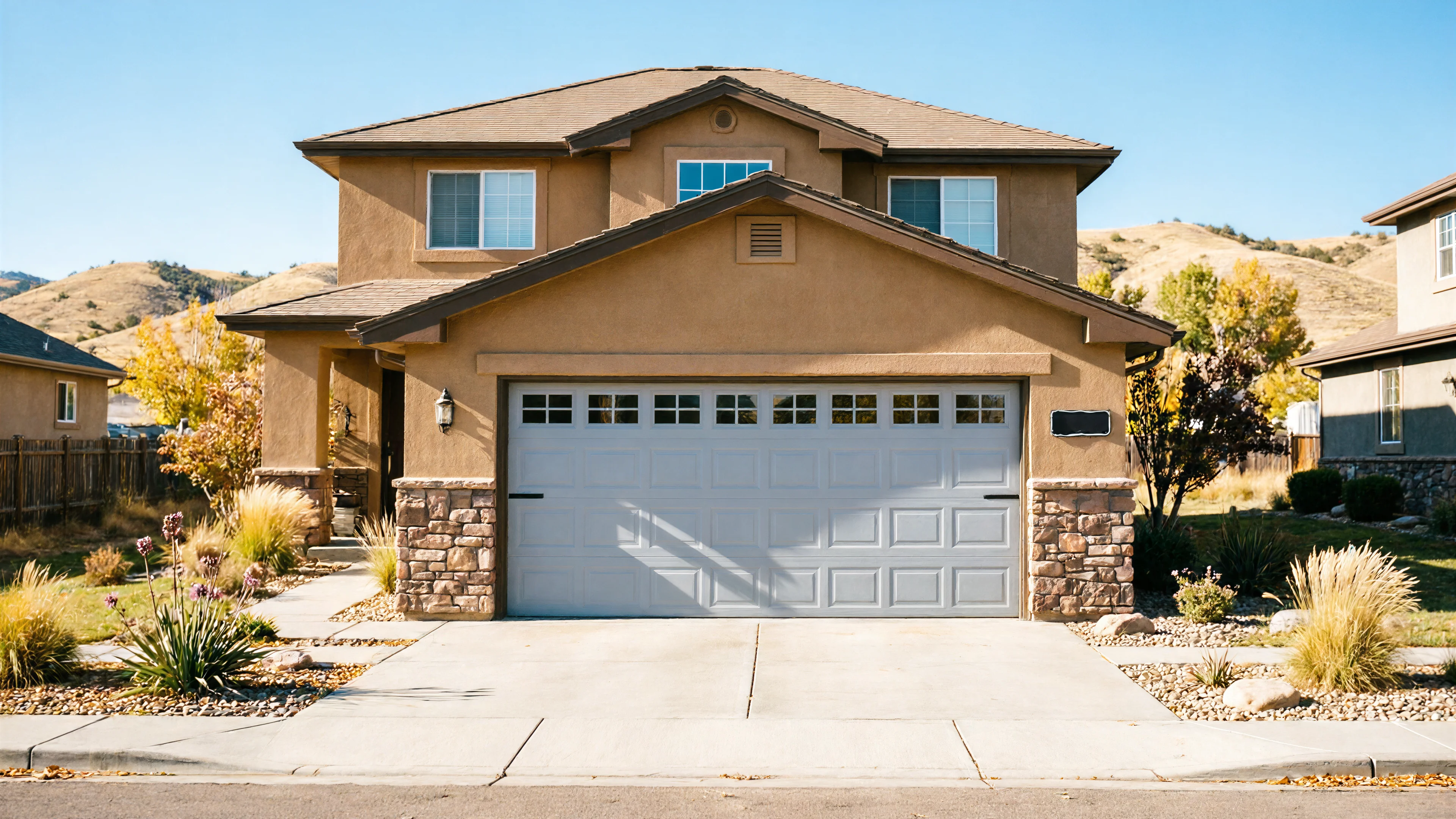
A tan house with a light gray garage door and stone accents.

Local causes

Why This Fails Locally

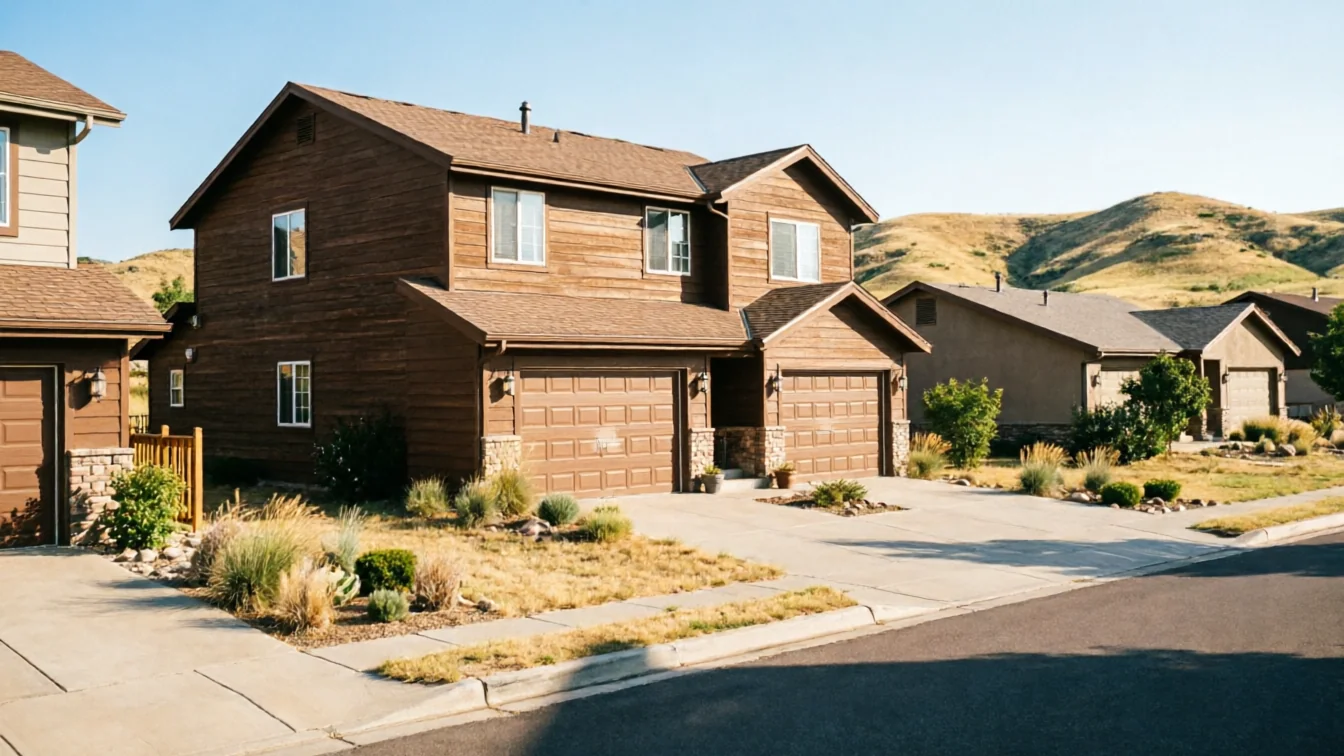
Two brown houses with brown garage doors sit on a sunny street.

This isn't a generic wear-and-tear story - it's tied to what's actually sitting in garages across this area. With a median build year of 1978 and most stock dating from the 1960s through the 70s across the eleven named neighborhoods here, a lot of doors are still running on original or first-generation replacement rollers, often the narrower track style that was standard on that era's builds. That hardware wasn't designed with this region's winters in mind.

Spokane Valley's climate band is rated severe cold, and an unheated or uninsulated garage puts those rollers through a hard freeze-thaw cycle every winter for decades. Plastic and nylon rollers get brittle under that kind of repeated cold stress in a way they wouldn't in a milder climate, which is exactly why we see this fault cluster so heavily in the older sections of the service area - from Veradale two miles out to Liberty Lake six miles east, and out through Otis Orchards and Mead. The same build era, the same hardware, the same climate exposure, call after call.
Questions

Common questions

How many rollers does a typical garage door need replaced?

Most single doors have 10 rollers, doubles have more depending on panel count. If one roller is cracked, the others from the same era are usually close behind, so we'll check the full set rather than just the one that's making noise and let you decide whether to do all of them now or just the worst ones.

Is roller replacement something that can wait?

A noisy roller that still spins freely can wait a while if you keep it lubricated. One that's cracked, flat-sided, or not spinning at all is wearing the track every time the door runs, and that turns a cheap part into a track repair. Worth getting ahead of it rather than waiting for the door to jump off the rail.

Why do my rollers keep failing faster than they should?

If your garage is uninsulated, the repeated hard-freeze cycles we get here in winter are harder on nylon and plastic rollers than a milder climate would be. Steel rollers with sealed bearings hold up better to that cycling, which is why we usually steer people that direction on a replacement rather than matching the original nylon part.

Explore more

Explore More Services In Spokane Valley, WA

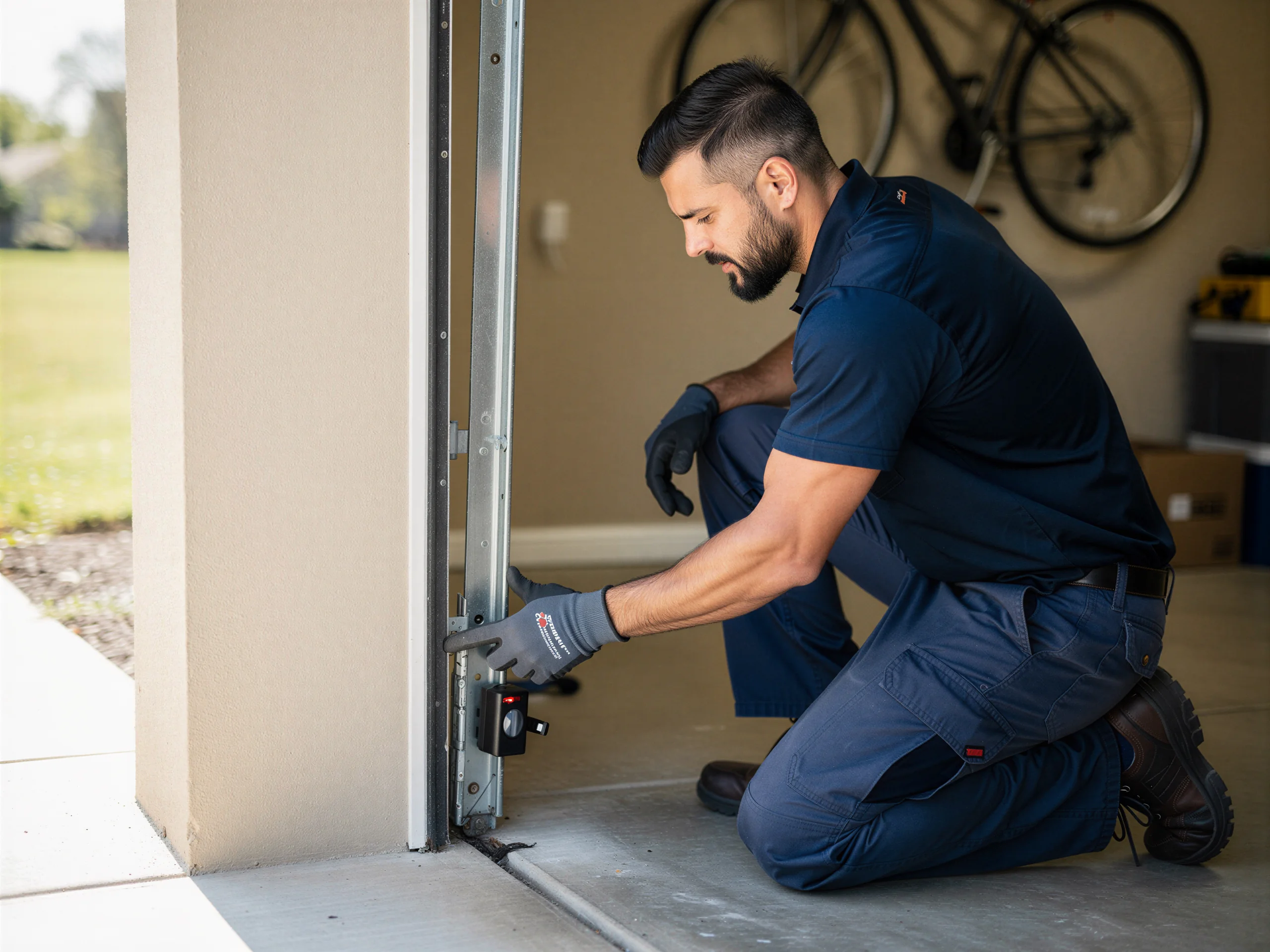
A technician kneels, adjusting a garage door sensor on the track.

Garage Door Maintenance Built for Spokane Valley's Houses and Winters

Garage door maintenance built for Spokane Valley's cold winters and 1960s-70s housing stock. Learn more →
A technician kneels, adjusting a garage door sensor on the track.

Garage Door Service for Spokane Valley's Older Housing Stock

Spokane Valley homes built mostly in the 1960s-70s, with some as old as 1951, carry original hardware that cold winters wear out fast. Learn more →
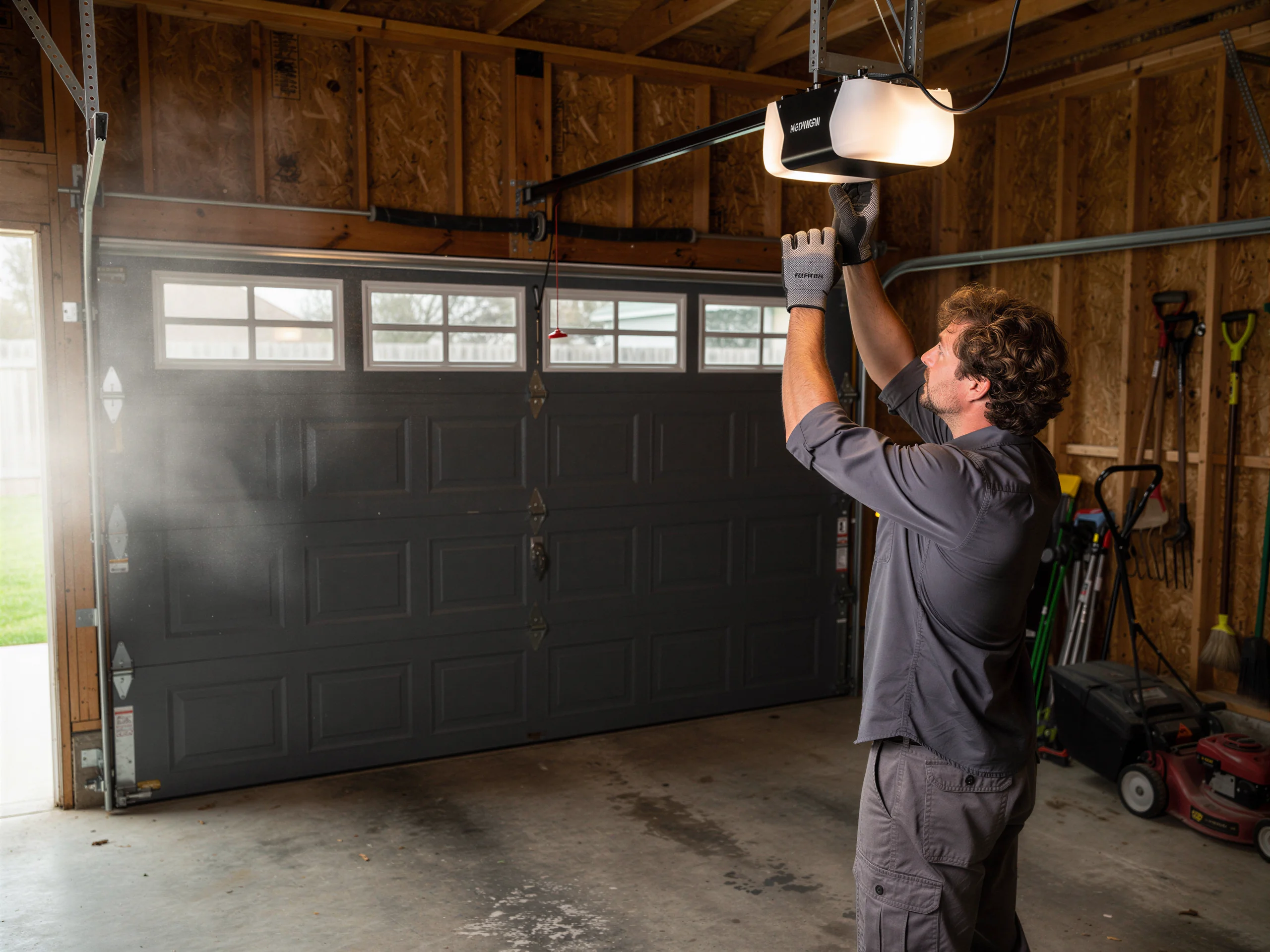
A technician adjusts a garage door opener above a dark gray garage door.

Garage Door Opener Installation, Done for Spokane Valley's Housing Stock

Opener installs for Spokane Valley homes built 1951-2008, matched to cold-climate loads and the lift hardware those decades actually used. Learn more →
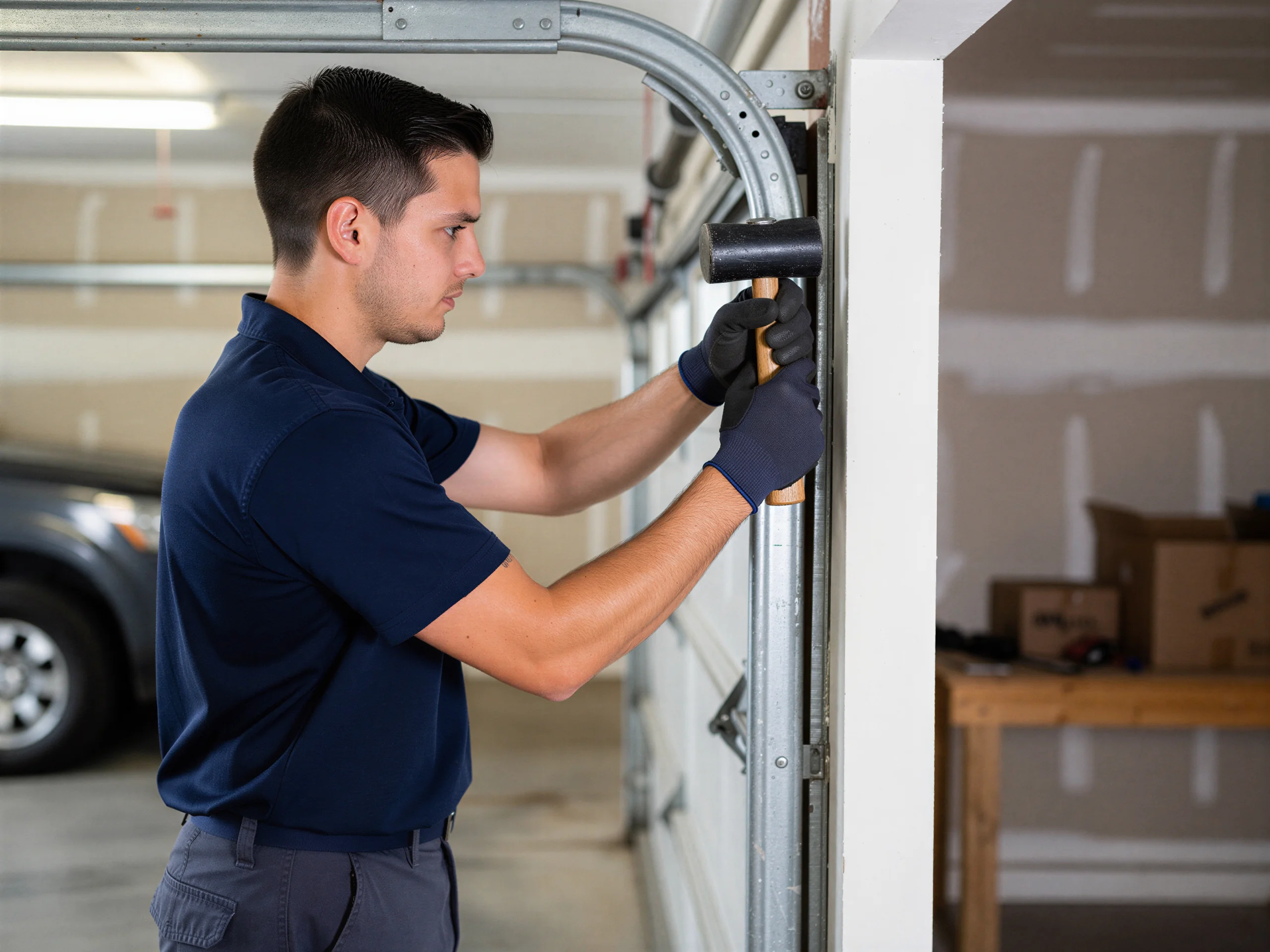
A technician in a blue shirt and gloves uses a mallet on a garage door track.

When Your Garage Door Jumps the Track in Spokane Valley

A garage door off track is a common call in Spokane Valley's older housing stock and cold winters. Learn more →
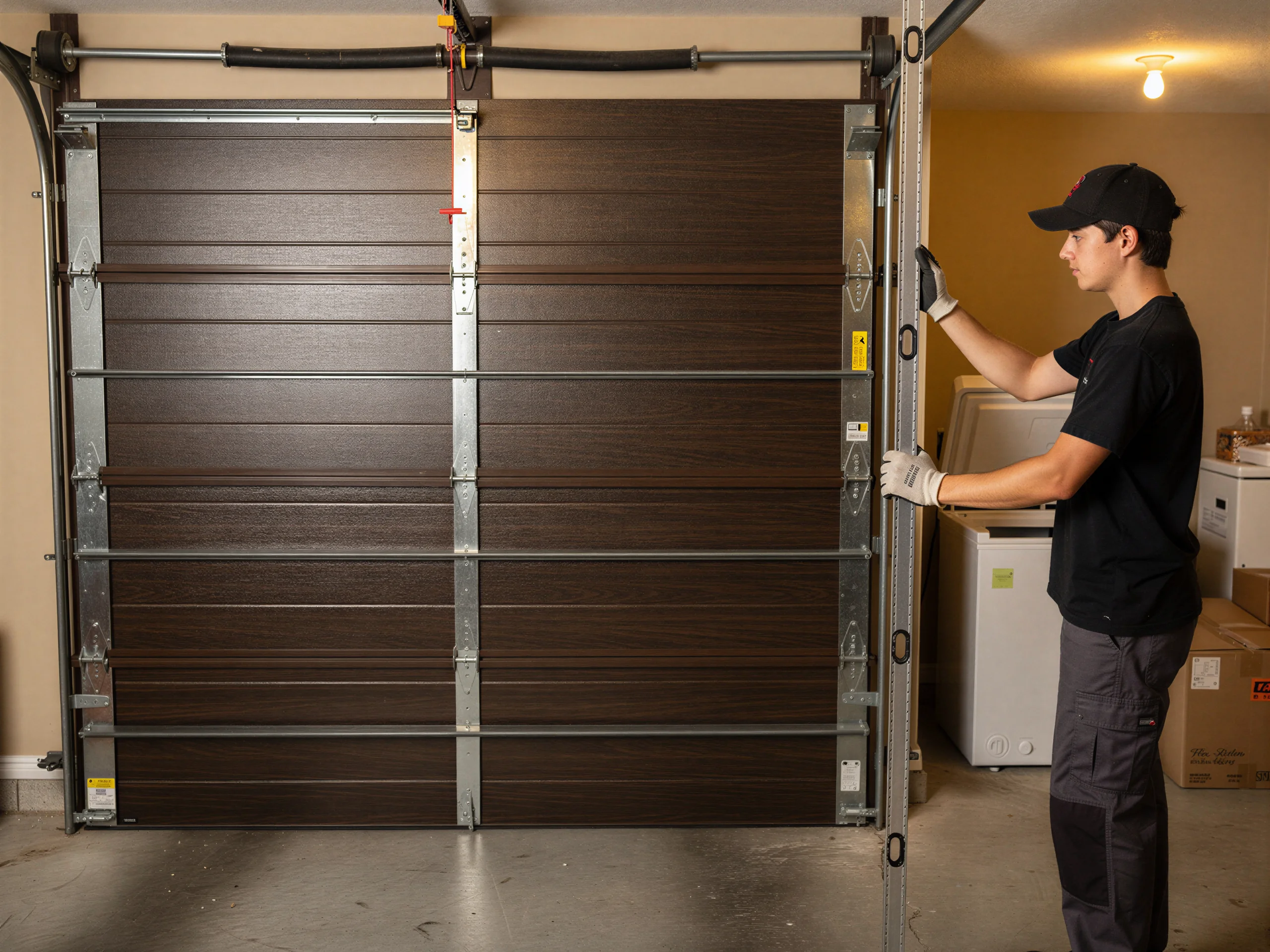
A technician in a black cap and gloves adjusts a brown garage door.

When Your Garage Door Sticks, Groans, or Won't Budge in Spokane Valley

Spokane Valley homes built between 1951 and 2008 fight ice-stiffened springs and worn rollers every winter. Learn more →
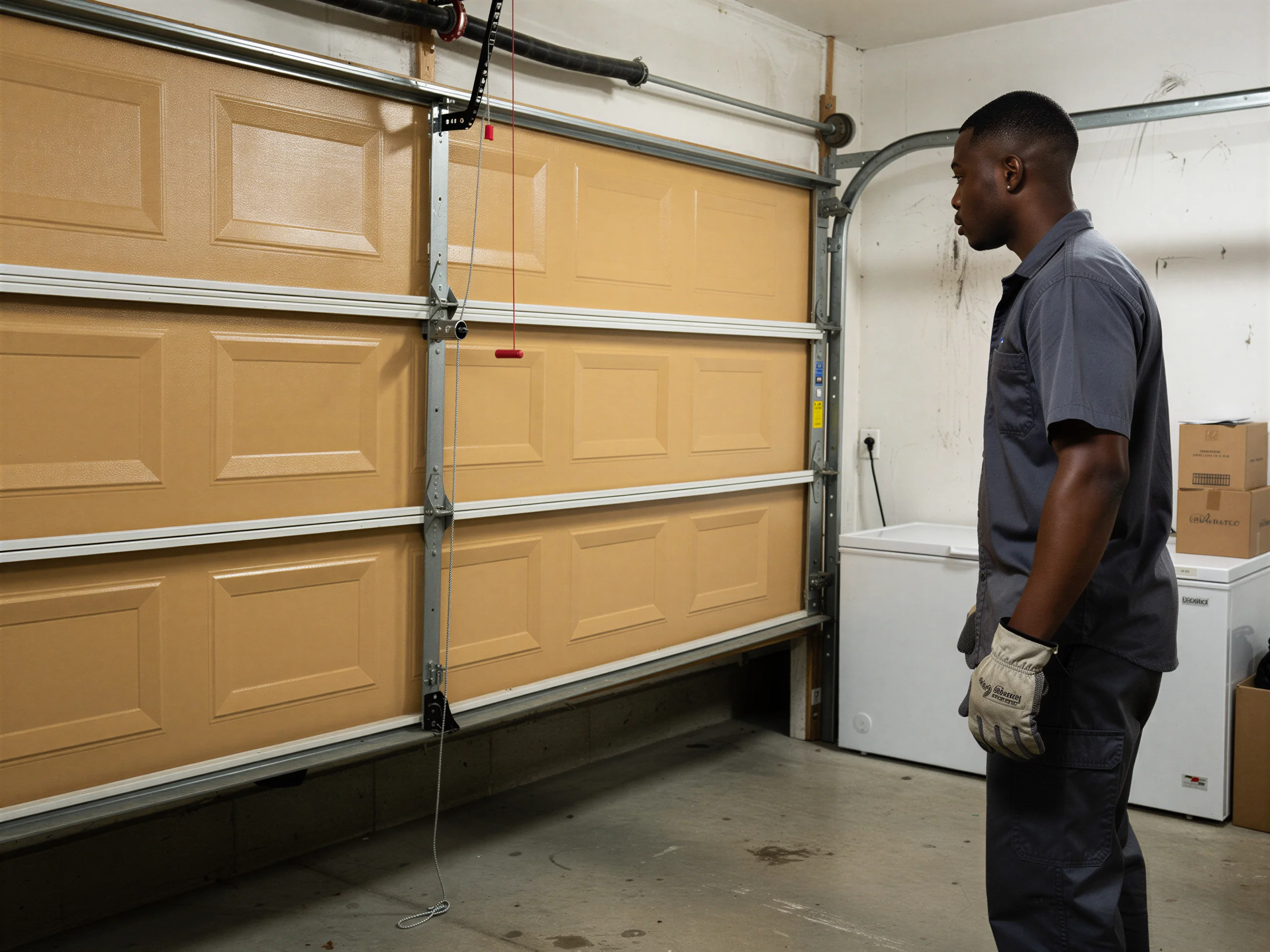
A technician stands next to a partially open tan garage door.

Garage Door Cable Repair Across Spokane Valley

Broken garage door cable in Spokane Valley? Learn more →

Ready when you are

Need a garage door sorted in Spokane Valley?

Spokane Valley Garage Door Pros repairs and installs garage doors, springs and openers in Spokane Valley, WA and the surrounding area.

Certified Experts Quality Assured
Call NowGet a quote