
No new-construction installs
We also don't do new-construction installs as a standing service line - if you're building, we'll talk to you about it, but our regular work is repair and replacement on doors that are already up.
Fairwood, Spokane Valley WA
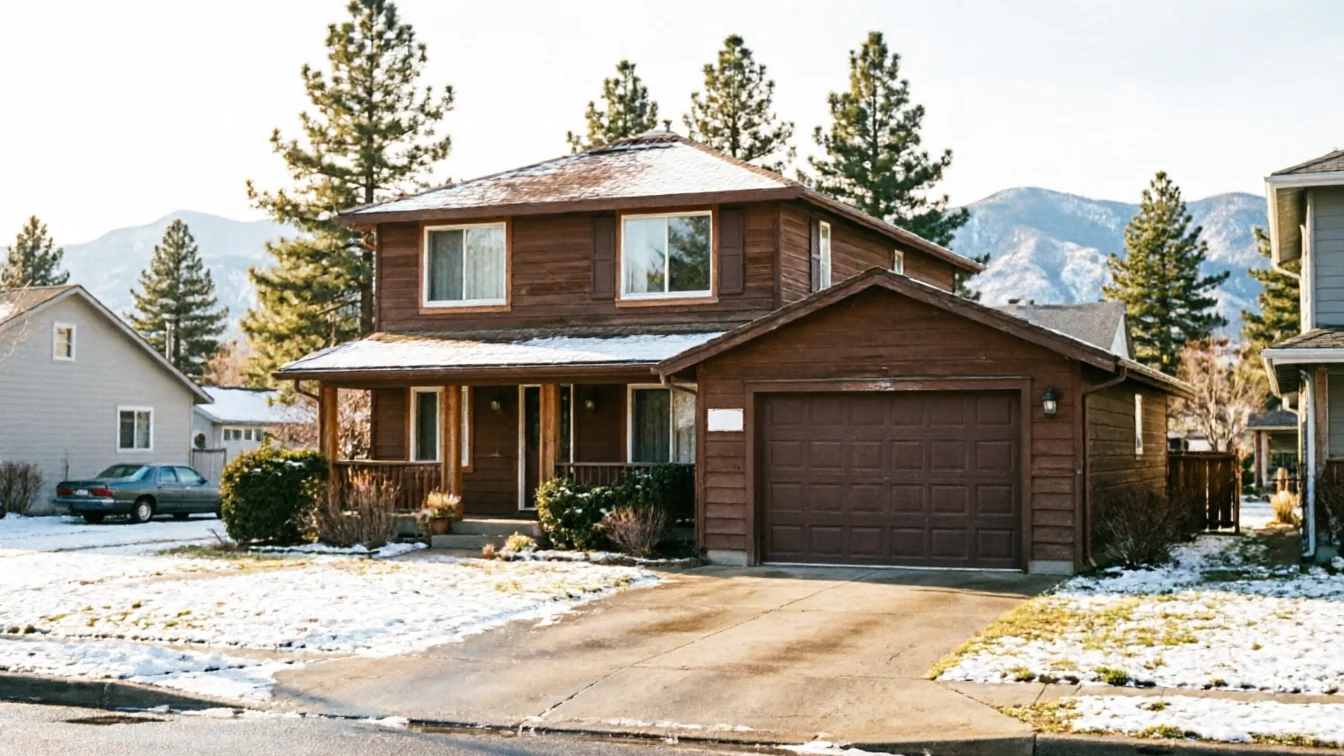
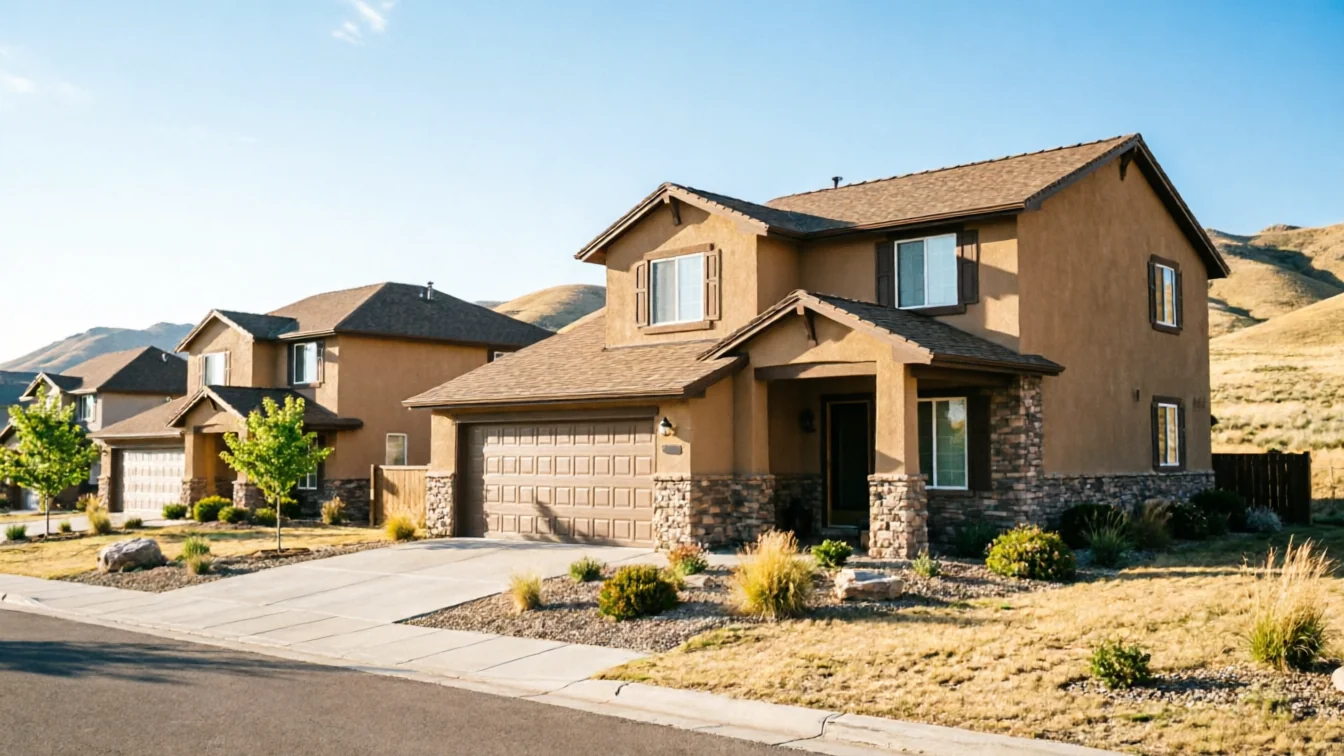
Fairwood homes mostly date to the late 1980s, newer than most of the valley. Spokane Valley Garage Door Pros drives the 11 miles out for springs, openers, and panels.
What we do here
Our limits
We don't keep a crew or a depot sitting in Fairwood. Every job here starts with a truck leaving Spokane Valley, about 11 miles away, so same-hour arrival isn't something we promise and you shouldn't expect it from anyone who says they're "local" to a neighborhood this size.
We also don't do new-construction installs as a standing service line - if you're building, we'll talk to you about it, but our regular work is repair and replacement on doors that are already up.
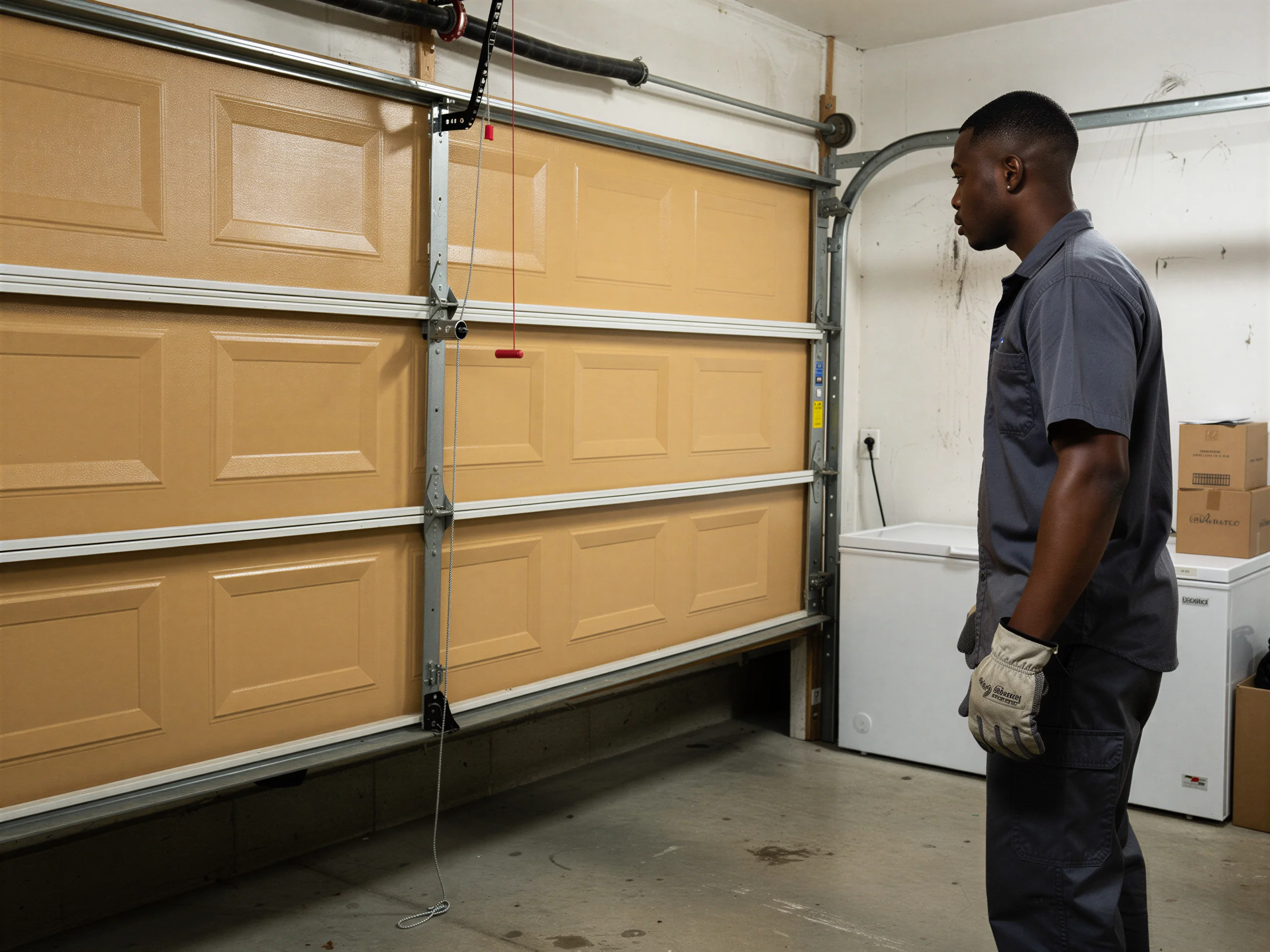
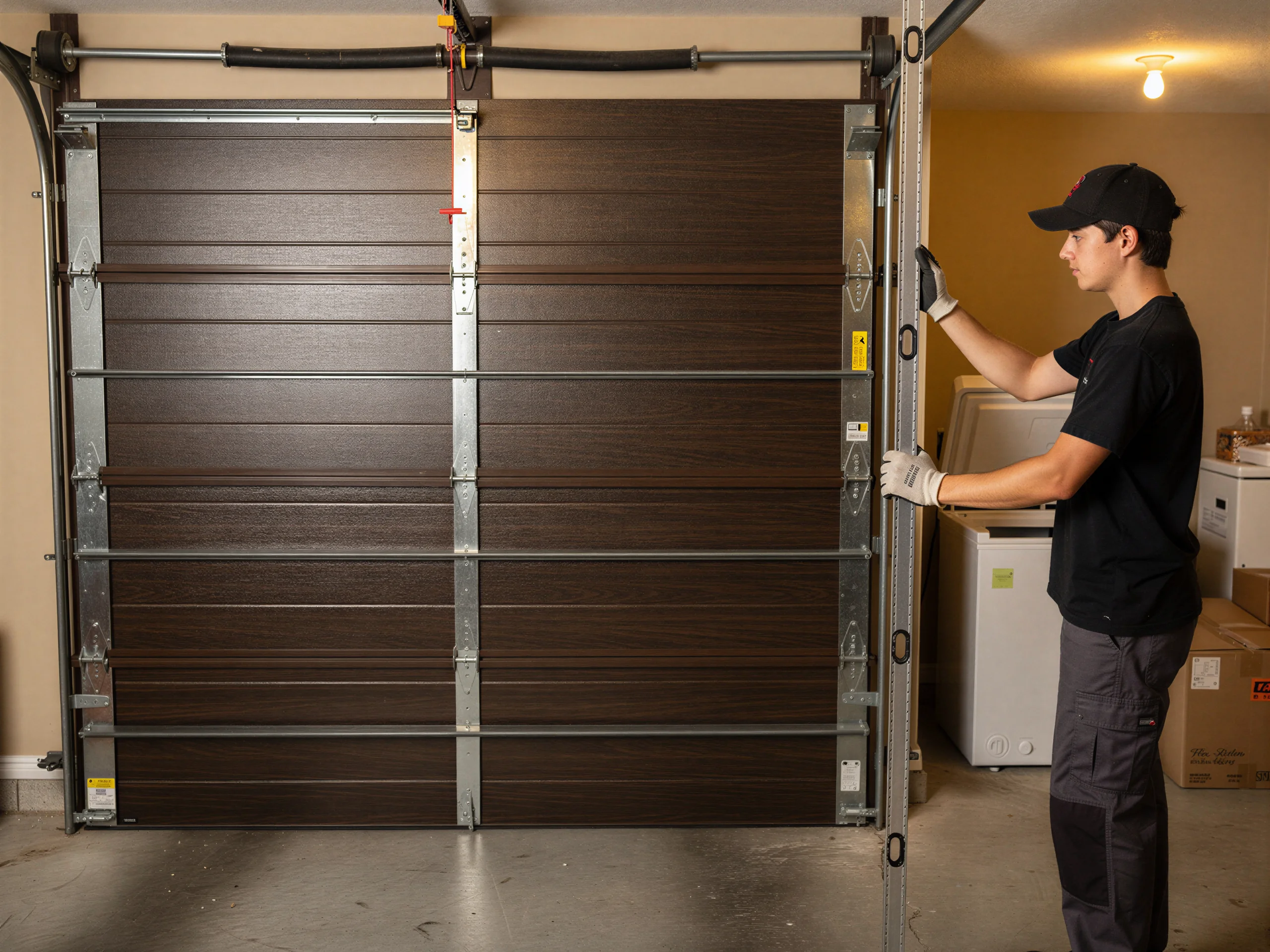
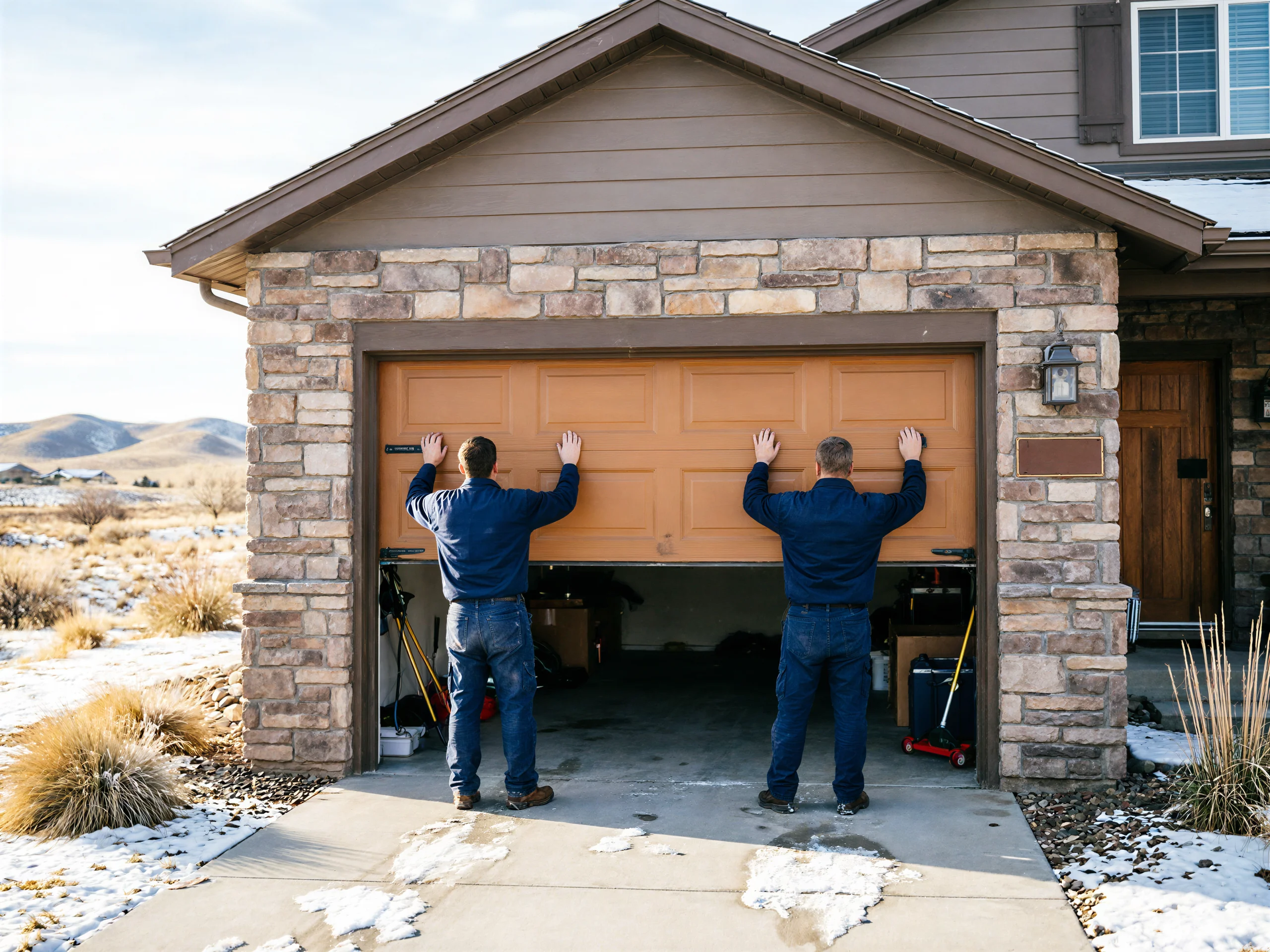
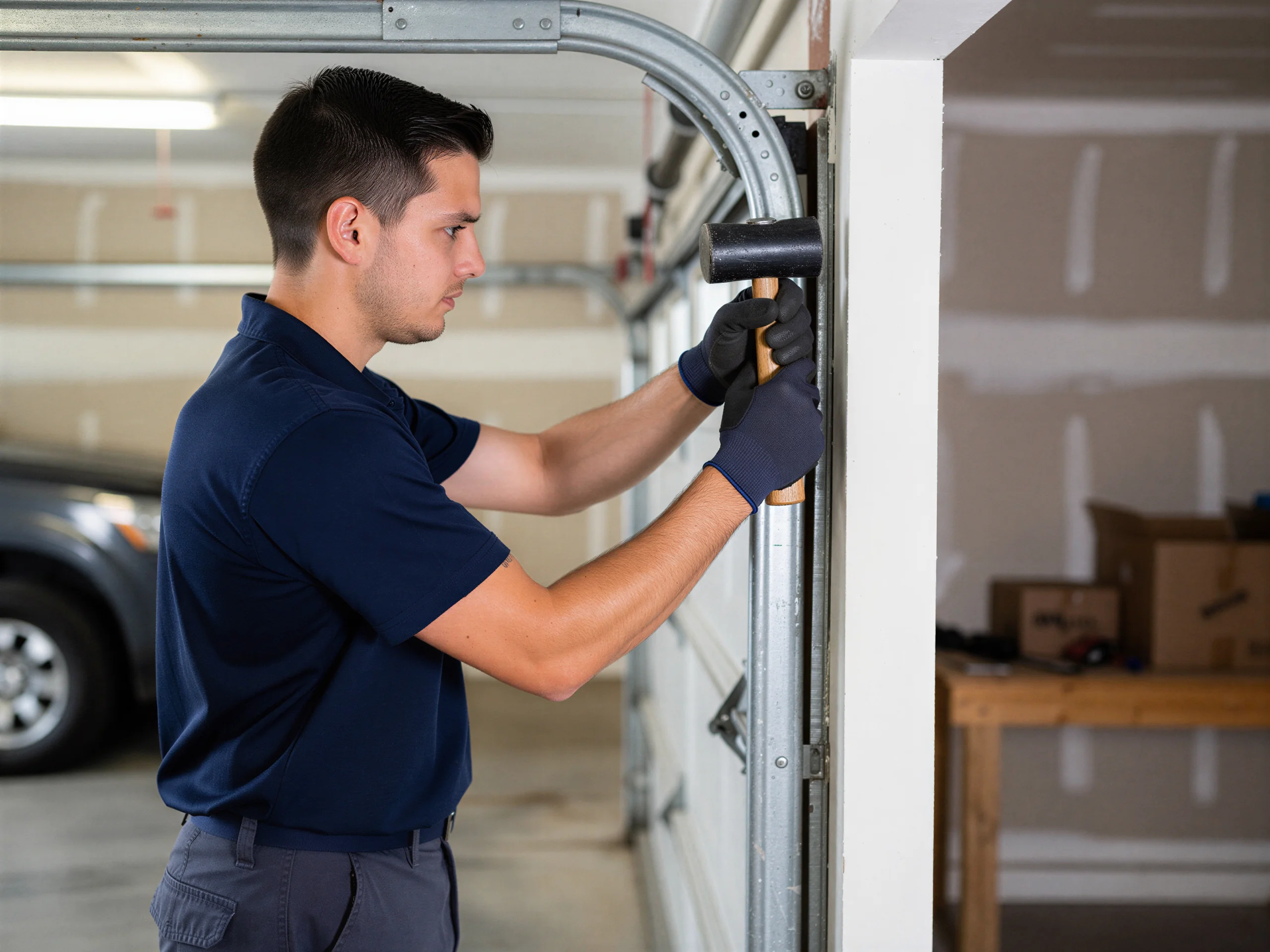
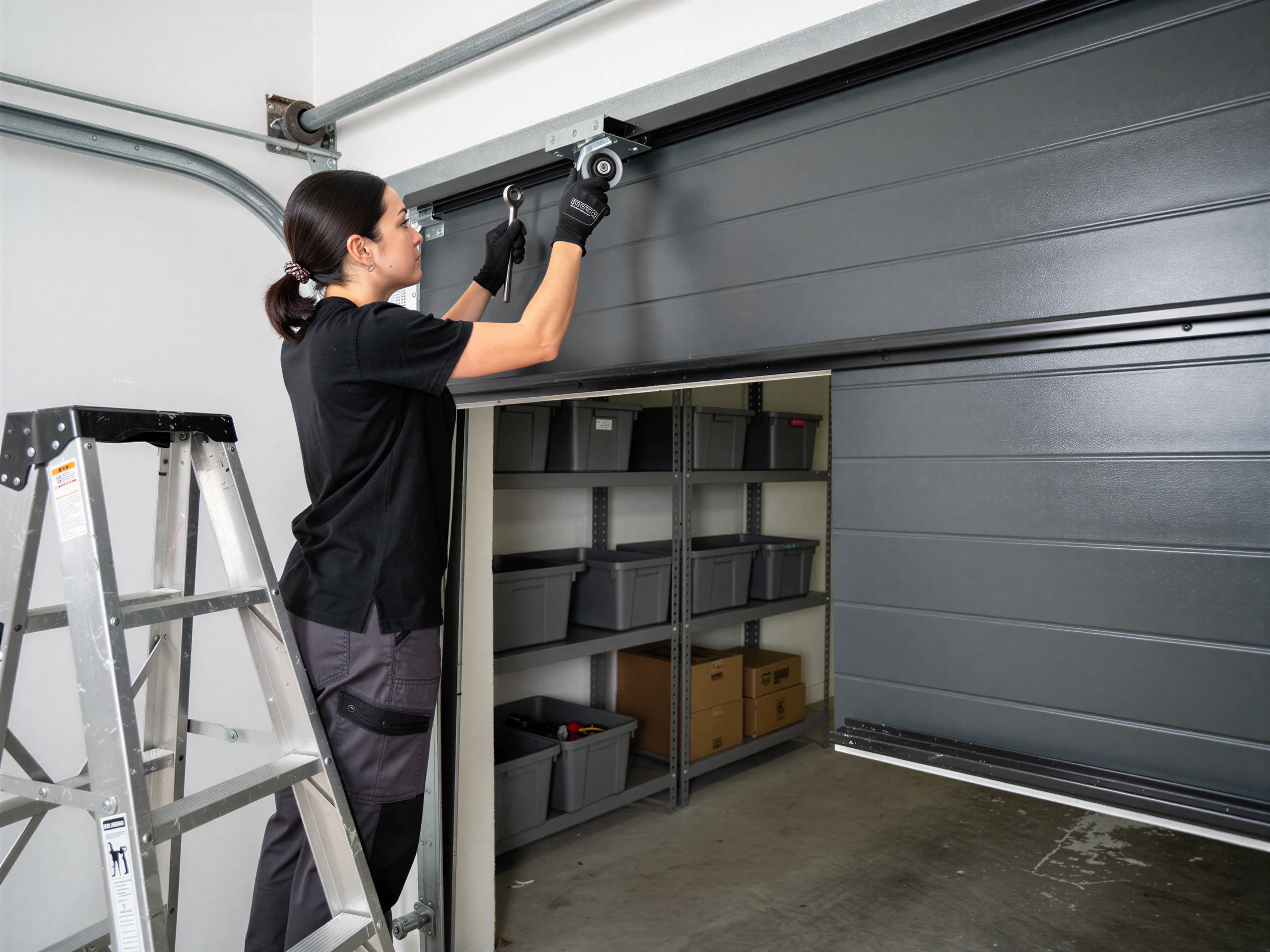
And we won't tell you a cracked panel needs a full replacement when a section swap will do, or the reverse - if the torsion spring and the opener are both failing on a door that old, replacing the whole unit is usually the honest answer, not three separate repair bills over a year.
Parts for older extension-spring setups can take a few days to source since most suppliers stock for the torsion hardware that's standard now. If that's your situation we'll say so up front instead of guessing on the phone.
Service area
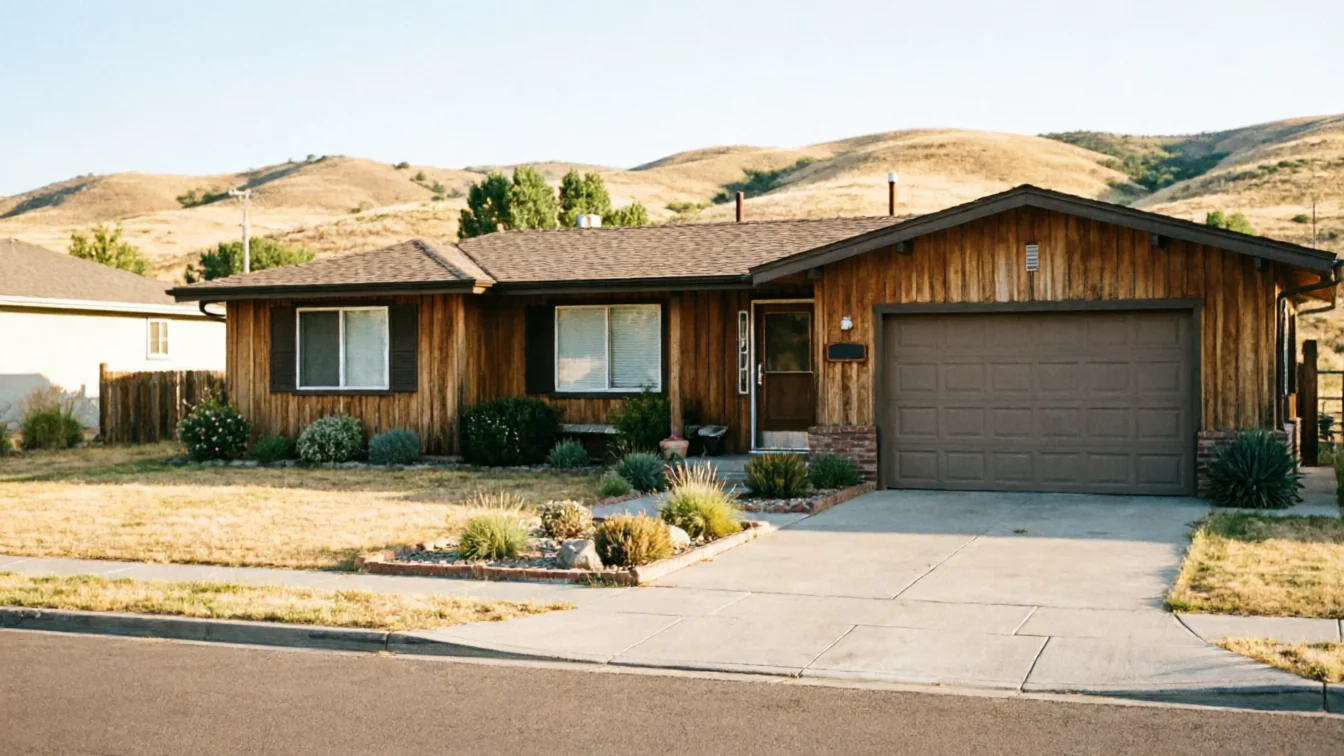
Fairwood sits roughly 11 miles out from our Spokane Valley base, further than closer-in spots like Veradale (about 2 miles) or Greenacres (about 3 miles), and on the far side of the valley from Liberty Lake and Otis Orchards, both roughly 6 miles out in the other direction. That distance means we schedule Fairwood calls in blocks rather than sending a truck out for one job at a time - it keeps the drive worth making and keeps your bill from carrying extra windshield time. We're not a Fairwood company with a storefront on a corner you'd recognize; we're a Spokane Valley shop that drives out to do the work. If you need something handled the same morning, say so when you call and we'll tell you honestly whether that's realistic for the day.
Door impact
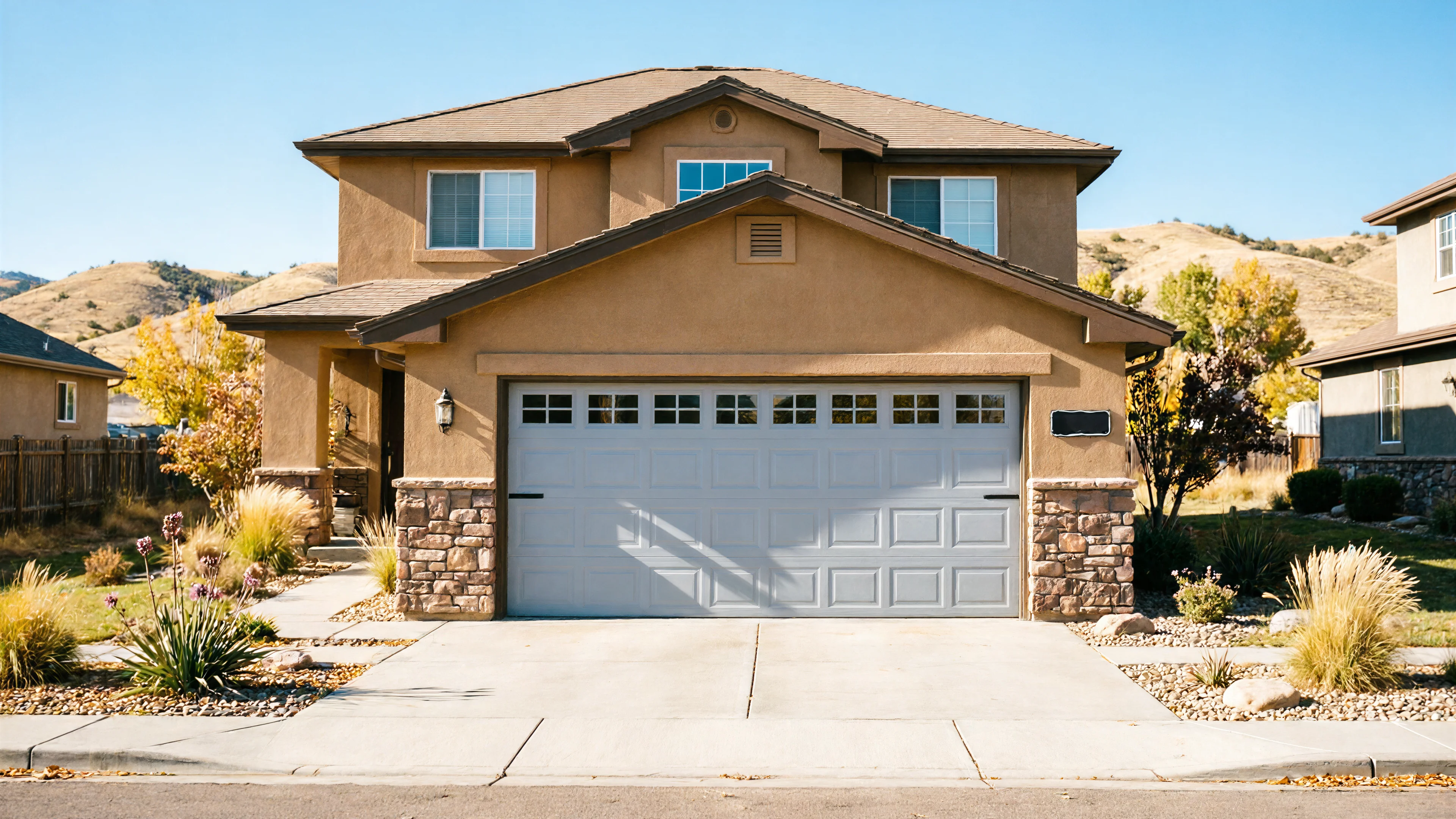
Fairwood's housing stock runs newer than most of the service area - the median build year here is 1987, a full decade past the 1978 median for the region as a whole, where most houses went up in the 1960s and 70s.
That gap matters more than it sounds. Doors and openers installed through the mid-to-late 1980s were already shifting to torsion spring setups and steel panel sections instead of the older wood and extension-spring hardware still common on the 1960s and 70s houses elsewhere in the valley.
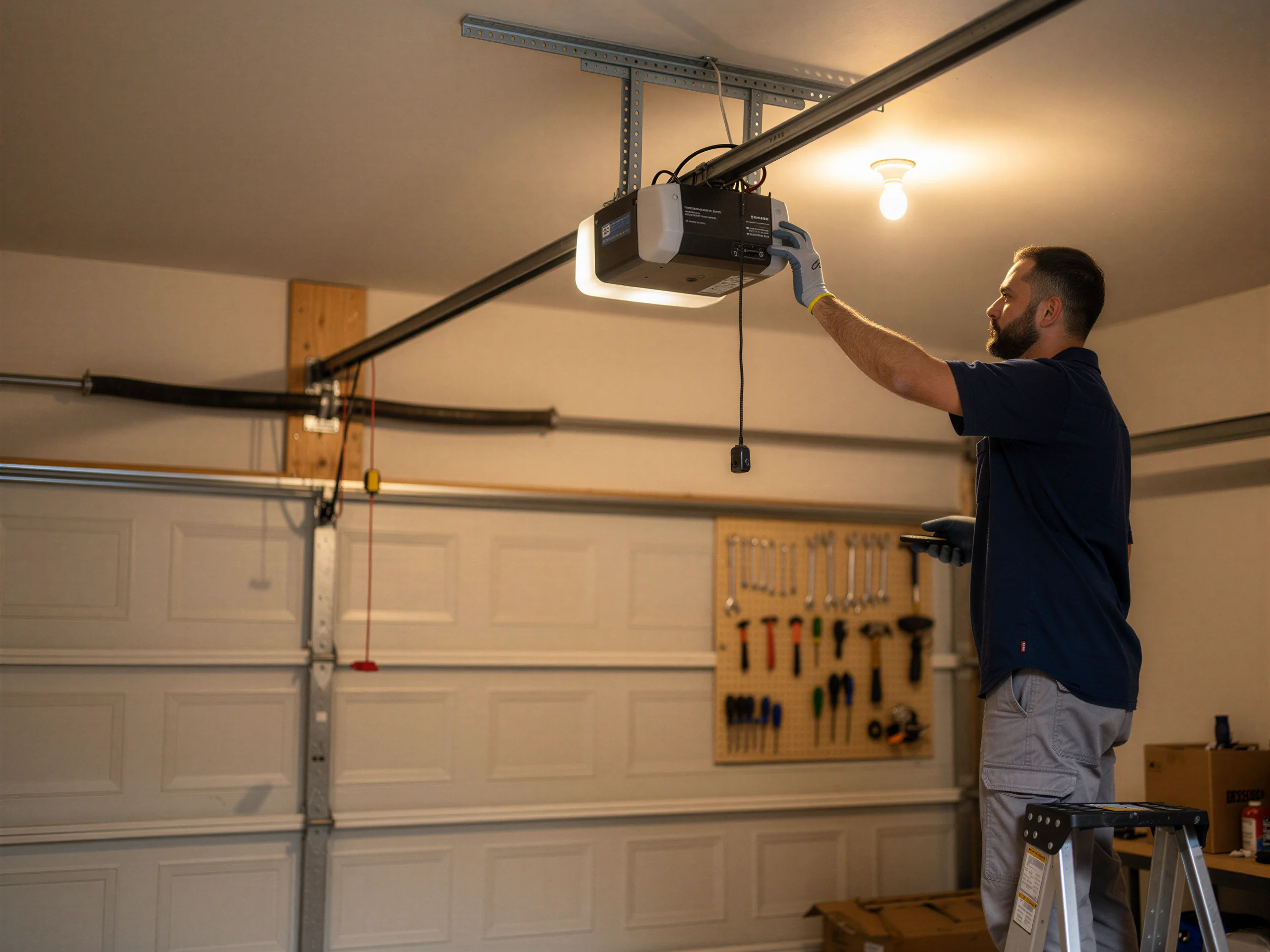
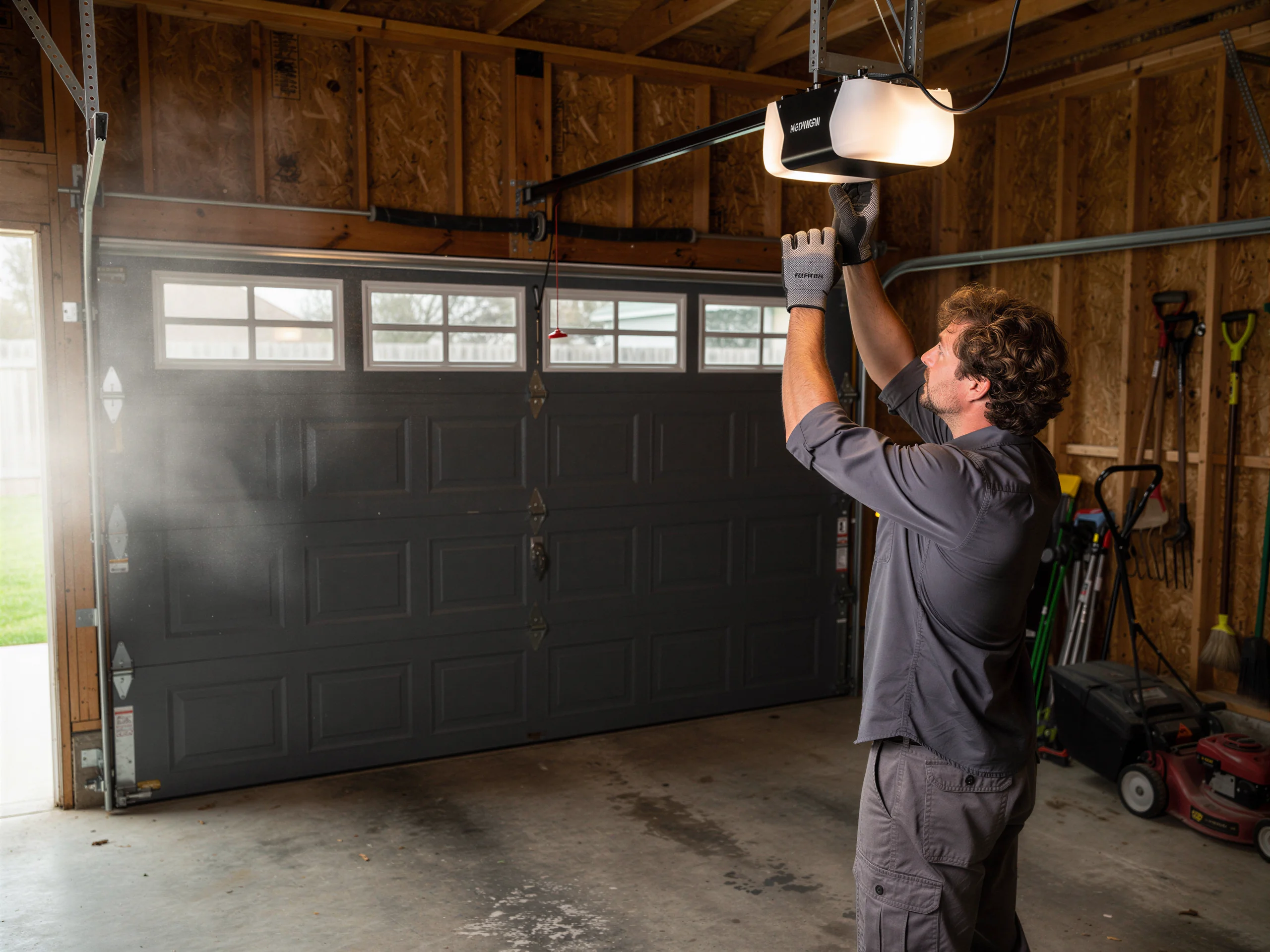
So the common failure here looks different: it's less about finding parts for hardware nobody stocks, and more about openers from that era reaching the end of their service life, drive gears wearing out on chain-drive units, and torsion springs that have simply cycled through their rated lifespan after three-plus decades of winters.
The climate band here is severe cold, and cold makes aging steel brittle faster than it would in a milder region - a spring that's marginal in October can snap on the first hard freeze.
Local housing
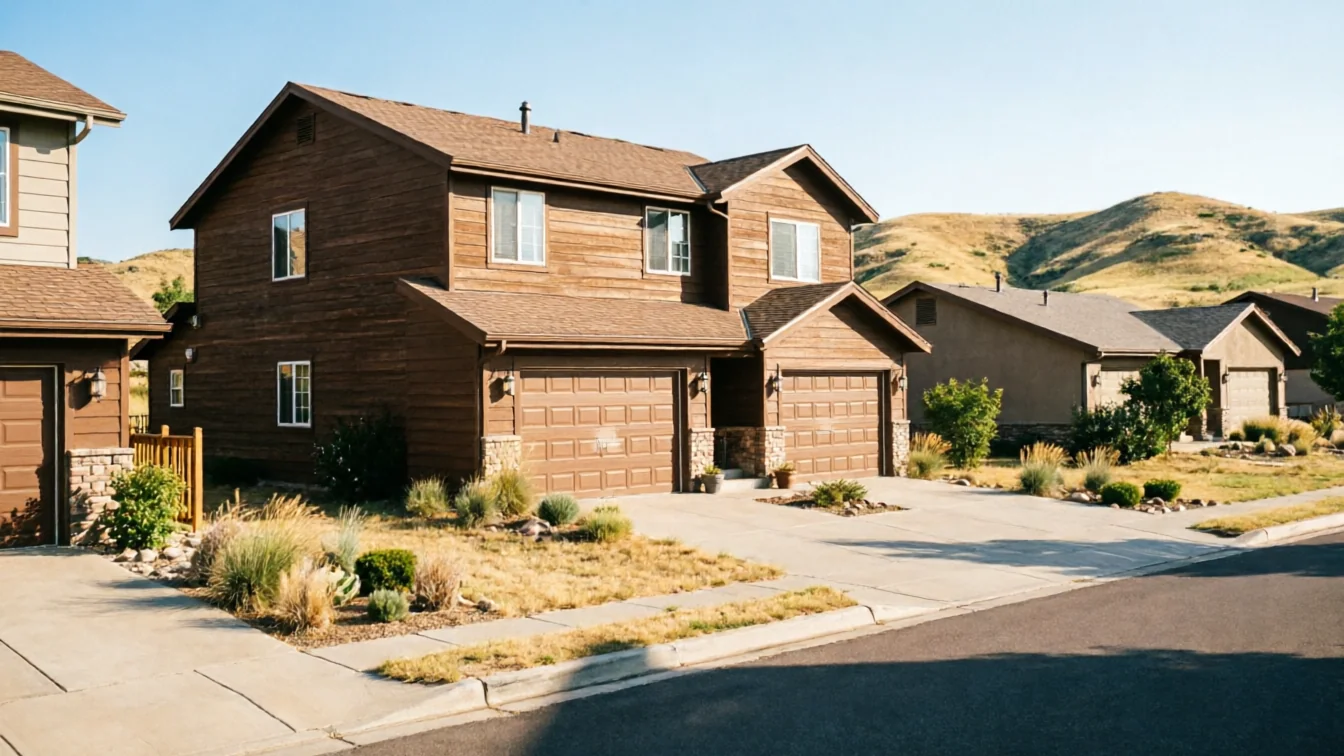
Across the wider service area the housing runs from 1951 to 2008 with a median around 1978, spread over eleven named communities with very different ages of stock. Fairwood is one of the newer pockets in that mix, with a median build year of 1987 and about 3,936 households, and a median income of $84,911 - noticeably higher than the roughly $78,841 median for the broader area. That income and build-year combination tends to show up in the calls we get: fewer total hardware failures per house, but when something does go - a worn opener, a spring at the end of its cycle count - homeowners here are more likely to want it done right the first time rather than patched twice. We don't have data on specific streets or subdivisions within Fairwood, so we won't pretend to know your block better than you do. What we can tell you is what houses built in that window generally have for hardware, and what tends to fail on them first.
Service areas
Questions
No - we're Spokane Valley Garage Door Pros, based in Spokane Valley, about 11 miles away. We drive out to Fairwood for service calls but don't keep a depot or crew stationed there, so we're upfront about scheduling rather than promising instant arrival.
Often yes. Fairwood's median build year is 1987, about a decade newer than the regional median of 1978. That means more torsion-spring and steel-panel setups and fewer of the older extension-spring, wood-panel doors still found on the area's 1960s and 70s housing stock.
The region sits in a severe cold climate band, and cold makes aging steel more brittle. A torsion spring that's near the end of its rated cycle life, or an opener drive gear already worn, is more likely to fail outright on the first hard freeze than to fail gradually.
It depends on the hardware. Torsion-spring parts common to 1980s-built doors are usually quick to source. Older extension-spring setups, less common in Fairwood than elsewhere in the valley, can take a few extra days since most suppliers stock for current torsion standards.
Ready when you are
Spokane Valley Garage Door Pros repairs and installs garage doors, springs and openers in Spokane Valley, WA and the surrounding area.