Spokane Valley, WASame-day service/Free estimates/Licensed & insured(509) 204-9610

Spokane Valley, WA

When Your Garage Door Sticks, Groans, or Won't Budge in Spokane Valley

Spokane Valley homes built between 1951 and 2008 fight ice-stiffened springs and worn rollers every winter. Here's how to spot it and what repair actually involves.

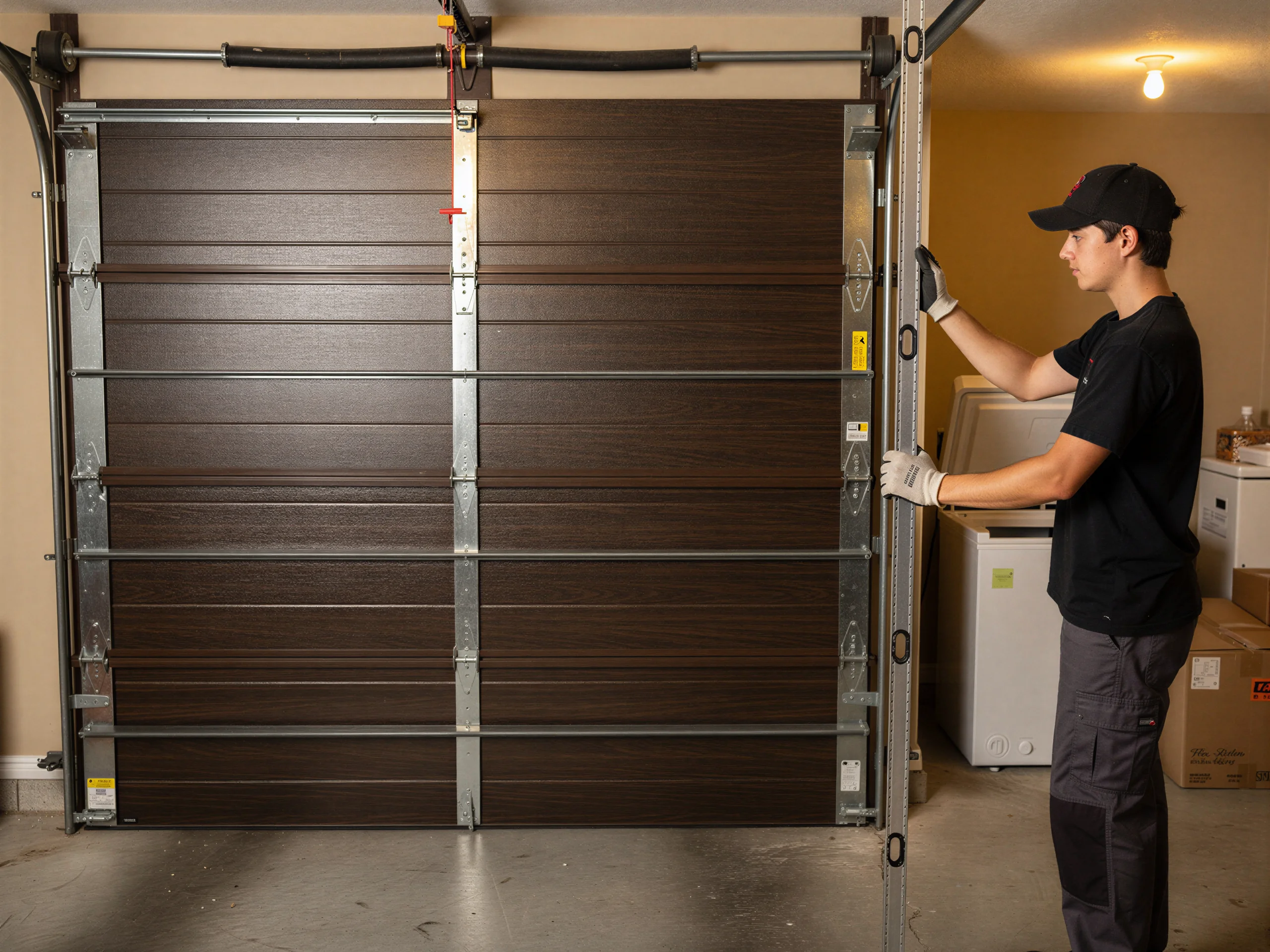
A technician in a black cap and gloves adjusts a brown garage door.
Spokane Valley, WA
Serving Spokane Valley, WABackground-checked techsHonest, upfront pricingFast local response
Local
Crews that work this area daily
Same-day
Response for most repair calls
Upfront
Pricing agreed before we start
Insured
Background-checked technicians

Warning signs

How It Shows Up

Most of the trouble starts the same way: the door hesitates on the way up, or it slams the last foot on the way down.

Spring tension loss in freezes

In a lot of Spokane Valley garages, that's a torsion spring losing tension faster than it should, because the spring has been cycling through hard freezes for years. Homes here were mostly built between 1951 and 2008, with a lot of the stock dating to the 1960s and '70s across the valley's older pockets, and that generation of hardware was never rated for the cold snaps this area gets.
Grinding and popping noises

You'll also hear it before you see it: a grinding or popping sound as the door travels, which usually means a roller has flattened out or a track bracket has worked loose. Cold makes the lubricant inside bearings and hinges stiffen up, so a door that worked fine in September can bind hard in January.

Opener strain from springs

If the opener motor strains and reverses the door partway through the cycle, that's often the spring compensating with less force than the door needs to lift its own weight. None of this is random - it's the predictable wear pattern of older torsion hardware meeting a severe cold climate year after year.

DIY or pro

Doing It Yourself

There's a short list of things worth checking before you call anyone. Look at the tracks for visible dents or gaps where the rollers ride - a flashlight along both sides takes two minutes.

Sensor alignment check

Check that the photo-eye sensors near the floor are aligned and not fogged over, since a frozen or knocked-out sensor will stop the door from closing and throw a blinking light on the opener instead of an error you can read easily. What you should not do is touch the torsion spring itself.

Gapped coil dangers

It's wound under enough tension to break bones if it lets go, and that's true whether the door is ten years old or fifty. If you see a visibly gapped or separated coil on the spring, stop using the door and call - don't try to lift it manually to see how bad it is.

Winding bar and gauge

Honest limitation: if the spring has already snapped, there's no DIY fix that holds. Winding a new spring to the correct turns for your door's weight needs a winding bar and a gauge most homeowners don't have, and getting it wrong is the single most common way people get hurt on a garage door job.

Booking

How to Book

If the door is making a new noise, hesitating, or has stopped moving altogether, the fastest way to get it looked at is to call and describe what you're seeing and hearing. Mention whether the door is single or double, roughly how old the house is, and whether the noise happens on the way up, the way down, or both. That's usually enough to know what's likely wrong before a truck is even on the road.

We work across Spokane Valley and the surrounding area, including Veradale, Greenacres, Otis Orchards, and Liberty Lake. If you're closer to Mead, Fairwood, or Airway Heights, say so when you call so the job gets routed to whoever's already closest that day.

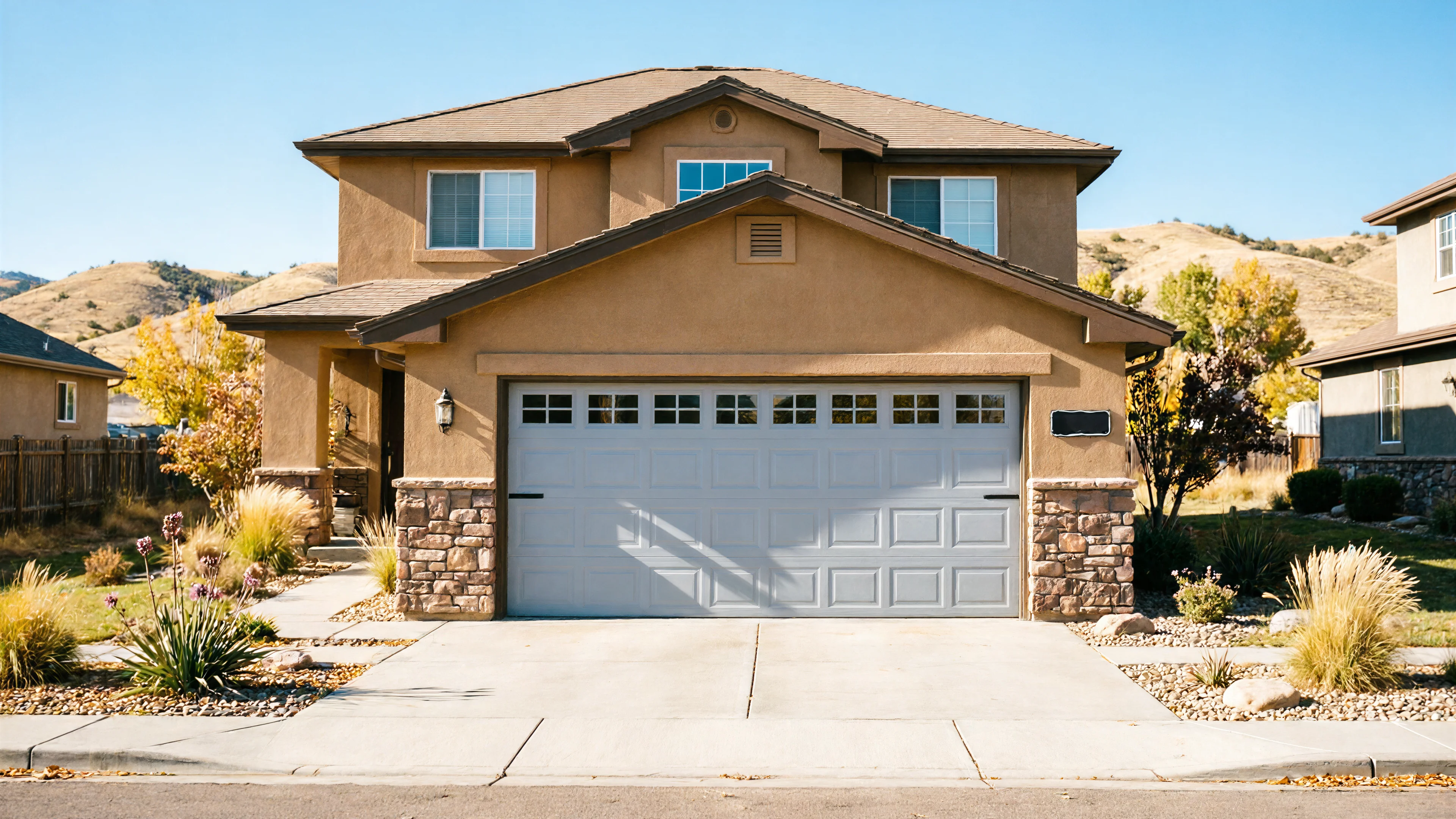
A tan house with a light gray garage door and stone accents.

Local causes

Why This Fails Locally

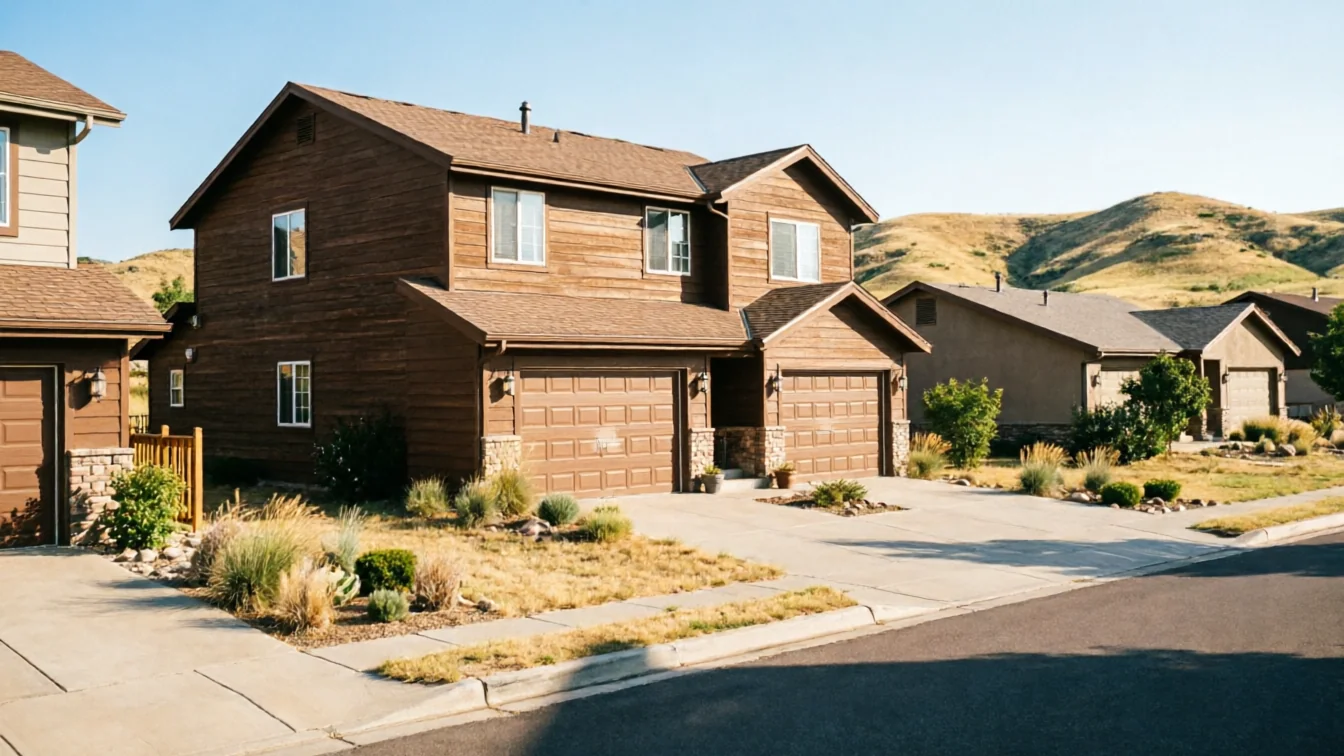
Two brown houses with brown garage doors sit on a sunny street.

This isn't a generic garage door problem - it's a Spokane Valley problem shaped by what's actually sitting in driveways here. With housing built mostly between 1951 and 2008, and a heavy concentration of 1960s and '70s construction across the valley's older neighborhoods, a large share of the doors in daily use are original hardware or early replacements that were never engineered for today's heavier insulated panels. Add a cold climate with real severity, not just occasional frost, and steel contracts, lubricant thickens, and springs lose a measurable amount of lift capacity every winter.

That combination - older torsion hardware plus sustained cold - is why spring failure and roller wear show up here on a schedule most owners could set a calendar by. With roughly 10,366 owner-occupied houses across a service area of 21,258 households, and a median income around $78,841, most of these doors are maintained by owners who want a straight answer and a fair repair, not a sales pitch to replace a door that still has life in it.

Questions

Common questions

Why does my garage door only act up in winter?

Cold makes the steel in torsion springs and tracks contract slightly and stiffens the grease in rollers and hinges. On older doors, especially the 1960s and '70s builds common across Spokane Valley, that loss of flex is enough to tip a marginal spring into failure or make a worn roller start grinding where it didn't before.

How old does a garage door have to be before repair stops making sense?

It depends more on the specific part than the age on paper. A door from the 1970s with a recently replaced spring and good rollers can still be a fine repair candidate. We look at what's actually failing before suggesting replacement - we don't have a blanket age cutoff.

Can I replace a torsion spring myself?

We'd rather you didn't. A wound torsion spring holds enough stored force to cause serious injury if it releases wrong, and getting the turn count right for your door's weight takes a winding bar and some practice most homeowners don't have reason to own.

Explore more

Explore More Services In Spokane Valley, WA

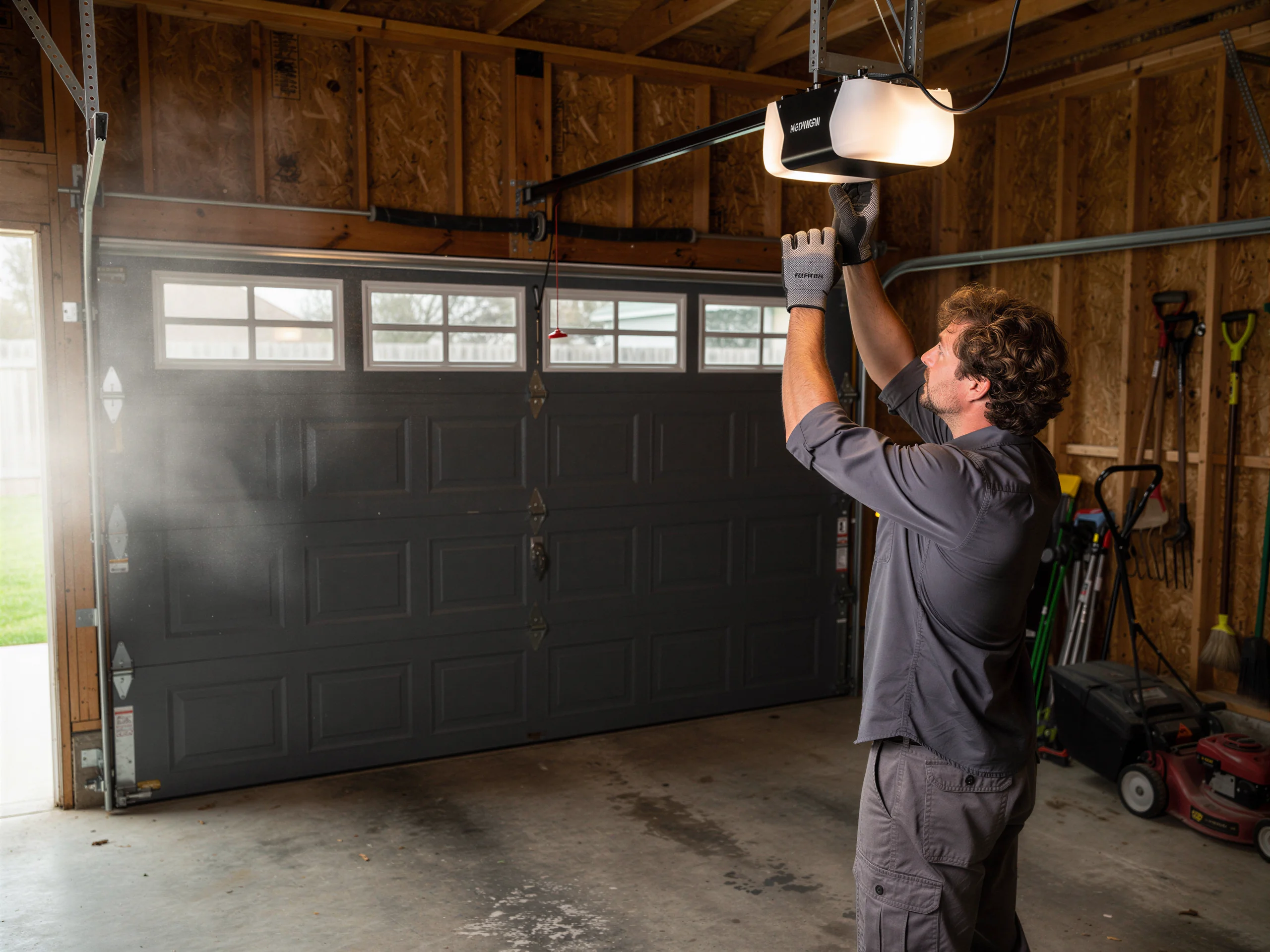
A technician adjusts a garage door opener above a dark gray garage door.

Garage Door Opener Installation, Done for Spokane Valley's Housing Stock

Opener installs for Spokane Valley homes built 1951-2008, matched to cold-climate loads and the lift hardware those decades actually used. Learn more →
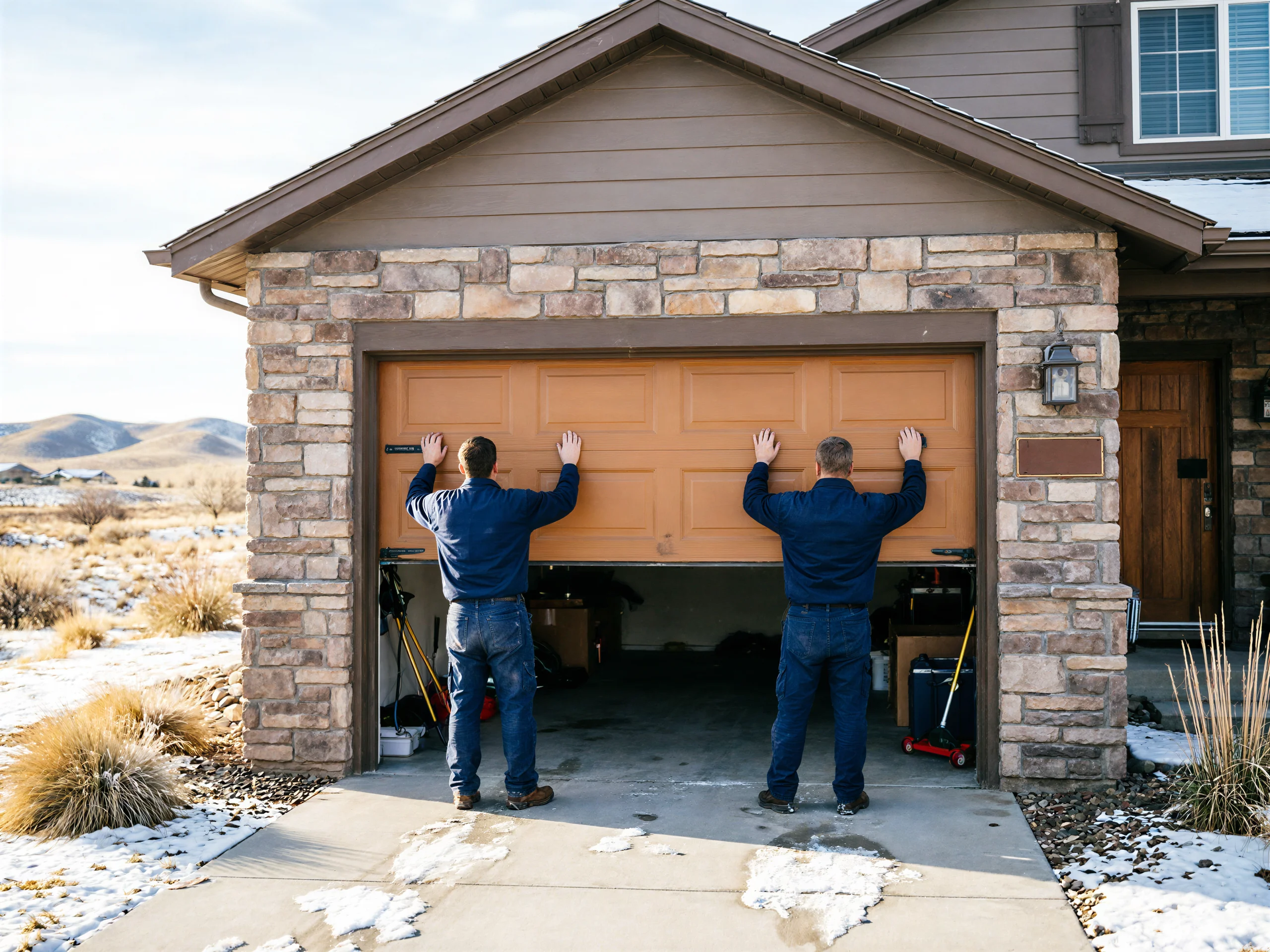
Two technicians push up a brown garage door on a stone house.

Replacing an Old Garage Door in Spokane Valley

New garage door installation for Spokane Valley homes built mostly in the 1960s and 70s, sized right for our severe cold winters and aging framing lumber. Learn more →
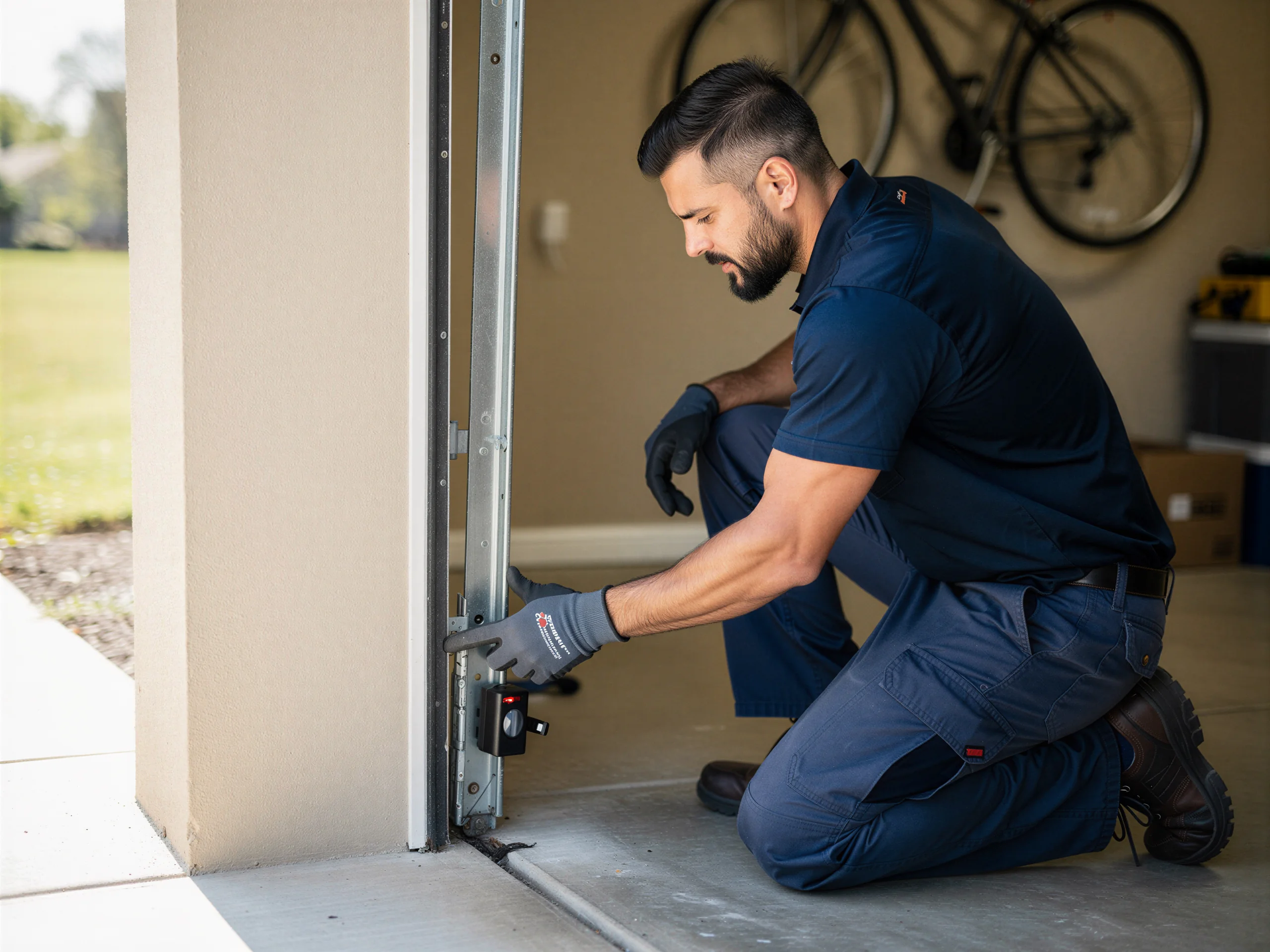
A technician kneels, adjusting a garage door sensor on the track.

Garage Door Service for Spokane Valley's Older Housing Stock

Spokane Valley homes built mostly in the 1960s-70s, with some as old as 1951, carry original hardware that cold winters wear out fast. Learn more →
A technician kneels, adjusting a garage door sensor on the track.

Garage Door Maintenance Built for Spokane Valley's Houses and Winters

Garage door maintenance built for Spokane Valley's cold winters and 1960s-70s housing stock. Learn more →
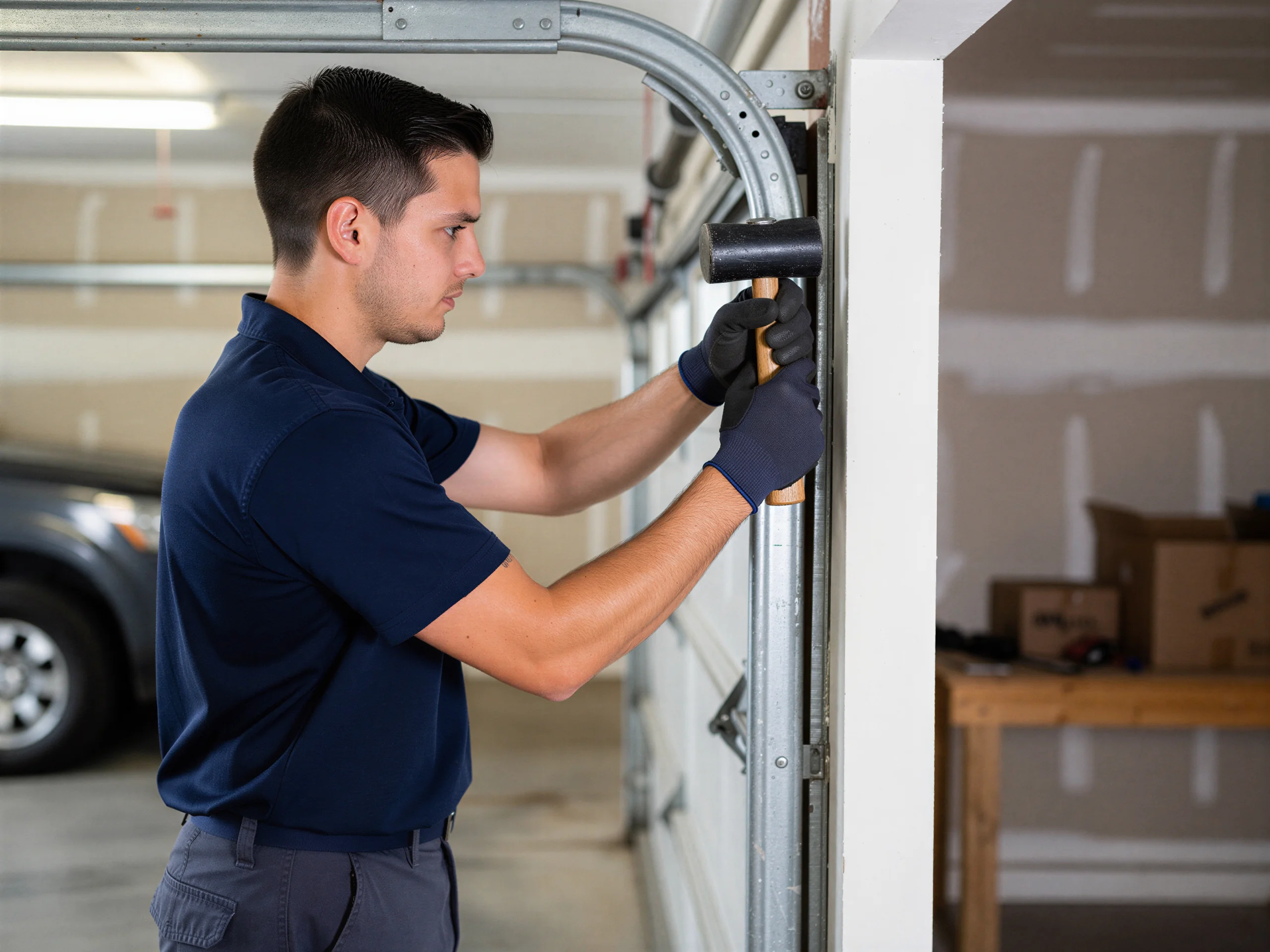
A technician in a blue shirt and gloves uses a mallet on a garage door track.

When Your Garage Door Jumps the Track in Spokane Valley

A garage door off track is a common call in Spokane Valley's older housing stock and cold winters. Learn more →
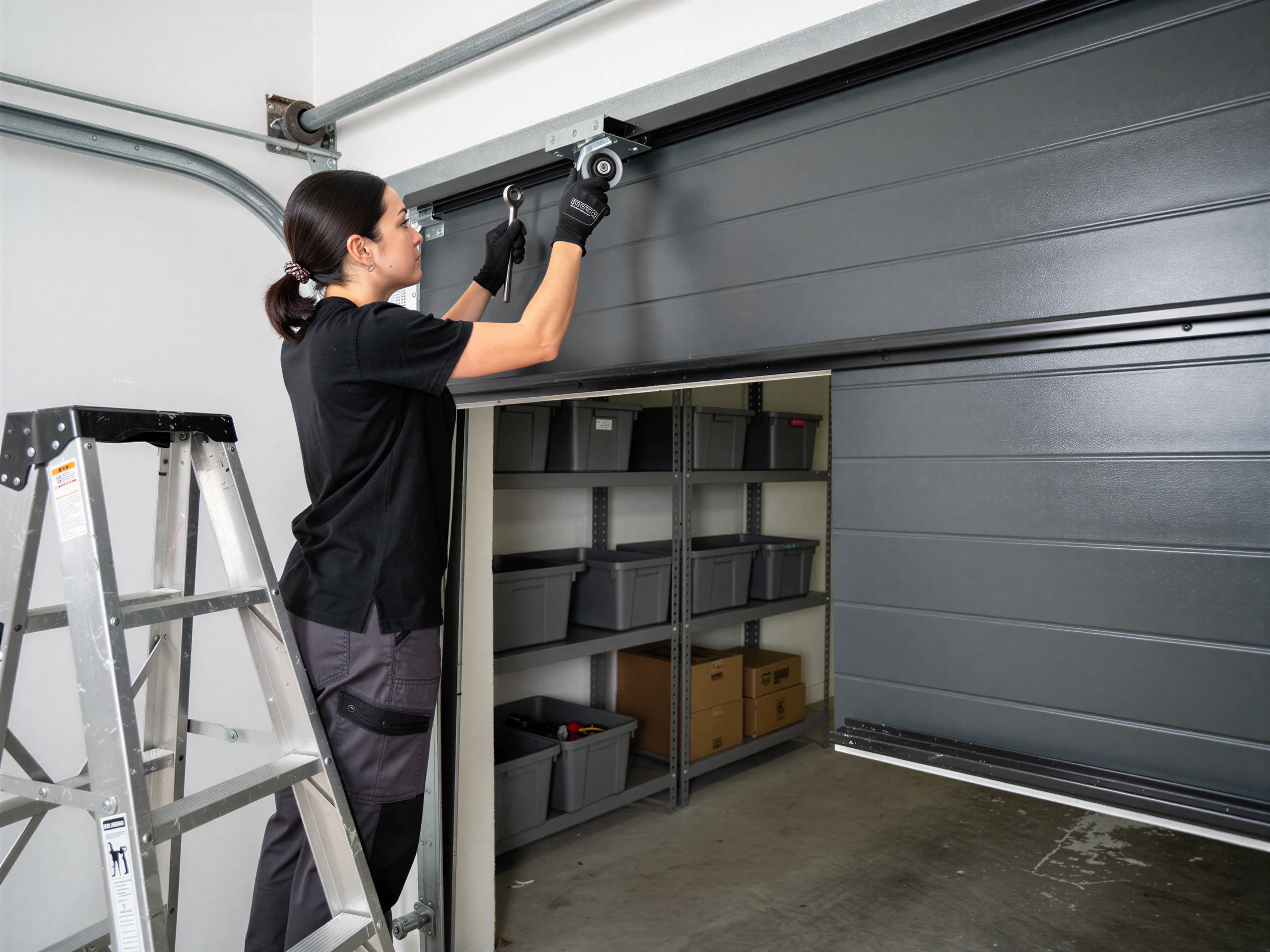
A technician on a ladder adjusts a gray garage door with a wrench.

Garage Door Roller Replacement for Spokane Valley Homes

Grinding, hopping, or a door that sticks on the track usually means worn rollers, not a bad opener. Learn more →

Ready when you are

Need a garage door sorted in Spokane Valley?

Spokane Valley Garage Door Pros repairs and installs garage doors, springs and openers in Spokane Valley, WA and the surrounding area.

Certified Experts Quality Assured
Call NowGet a quote