
Galvanized track after decades
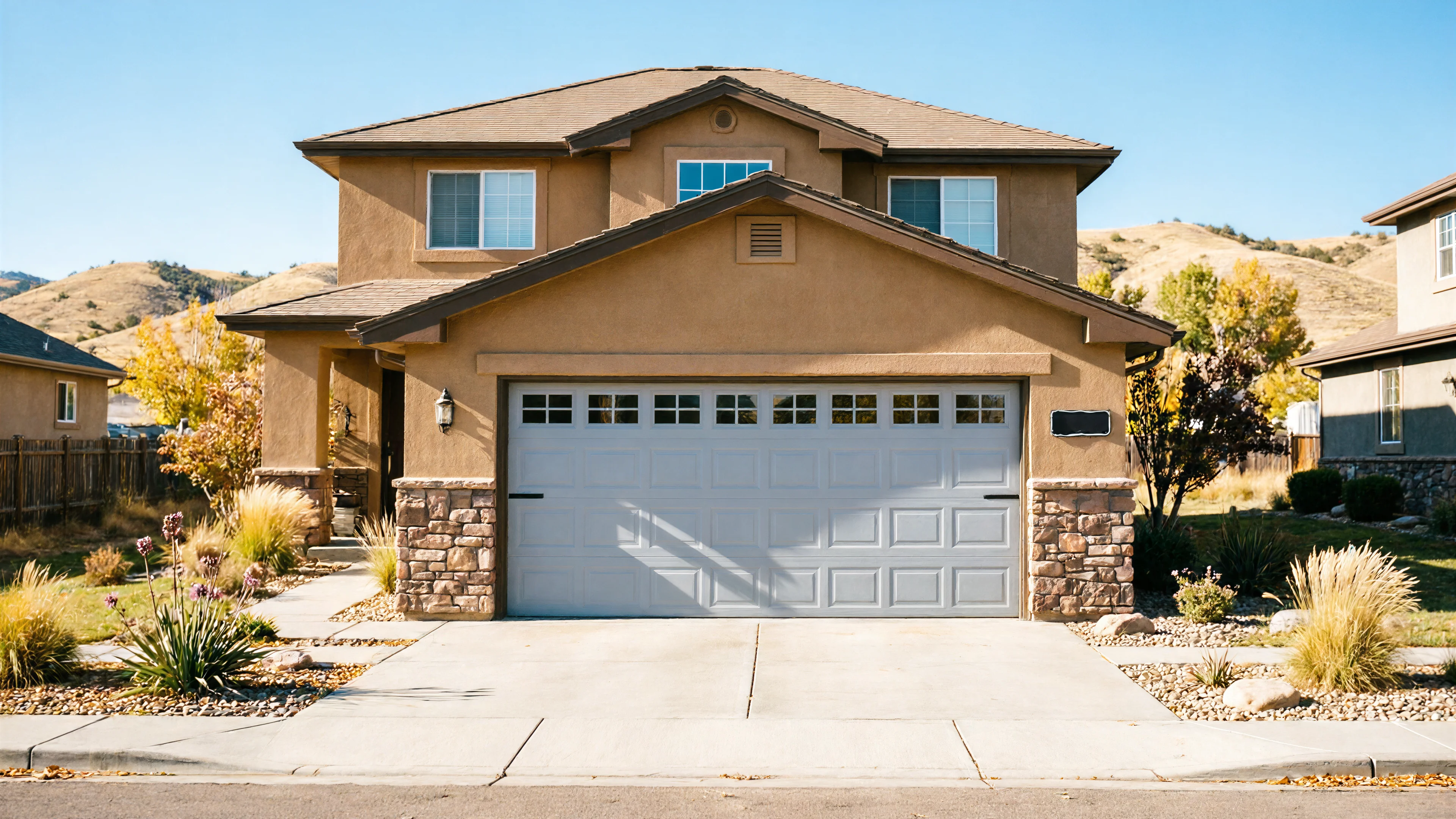
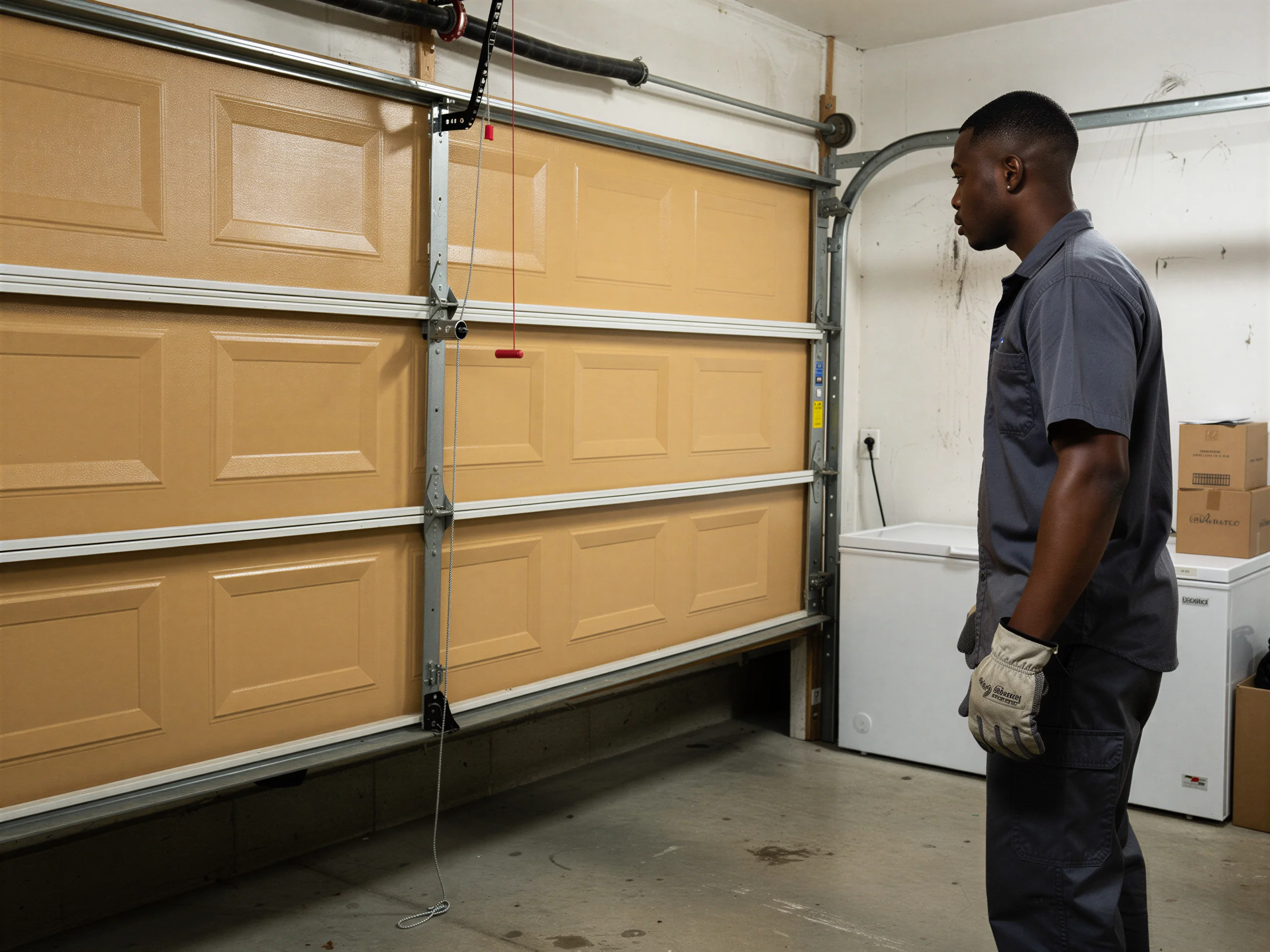
That's a steel sectional door, likely a single-wide 16-foot double or a pair of 9-footers, hung on galvanized track that's spent four and a half decades in a cold-winter climate.
Otis Orchards East Farms, Spokane Valley
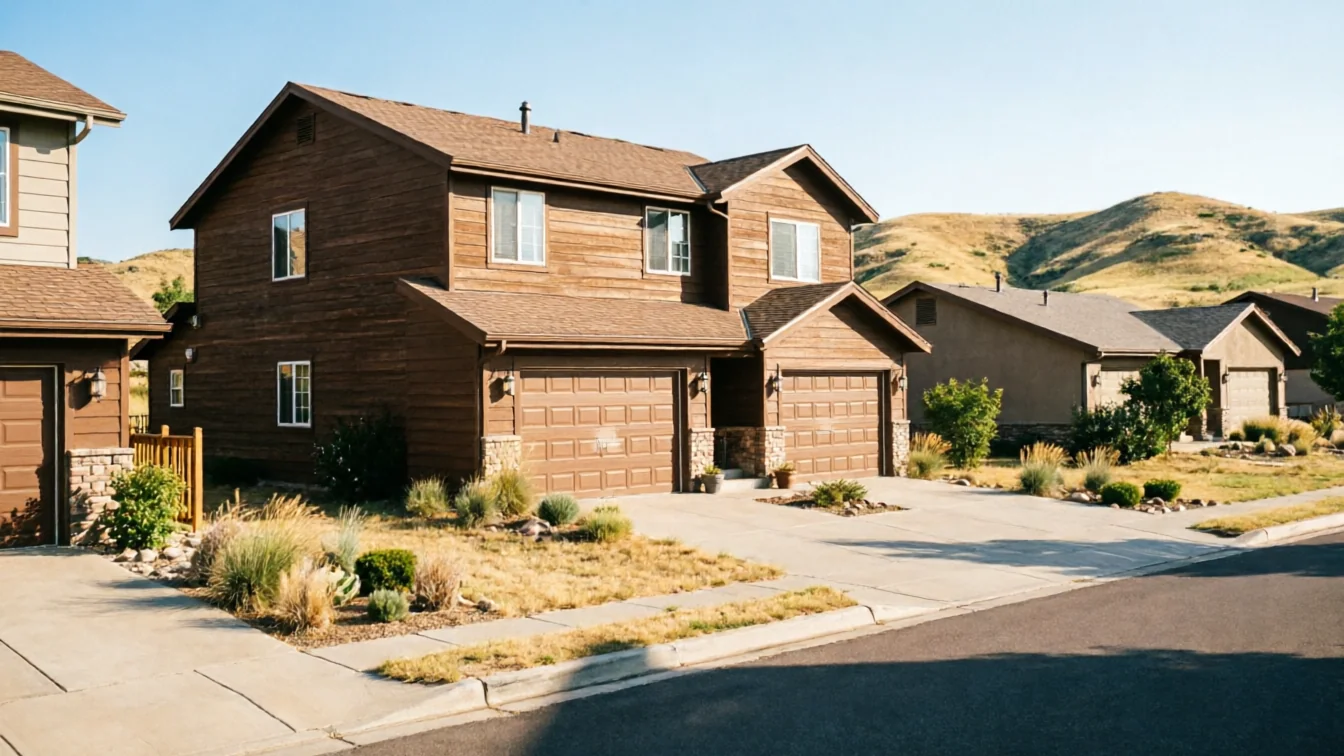
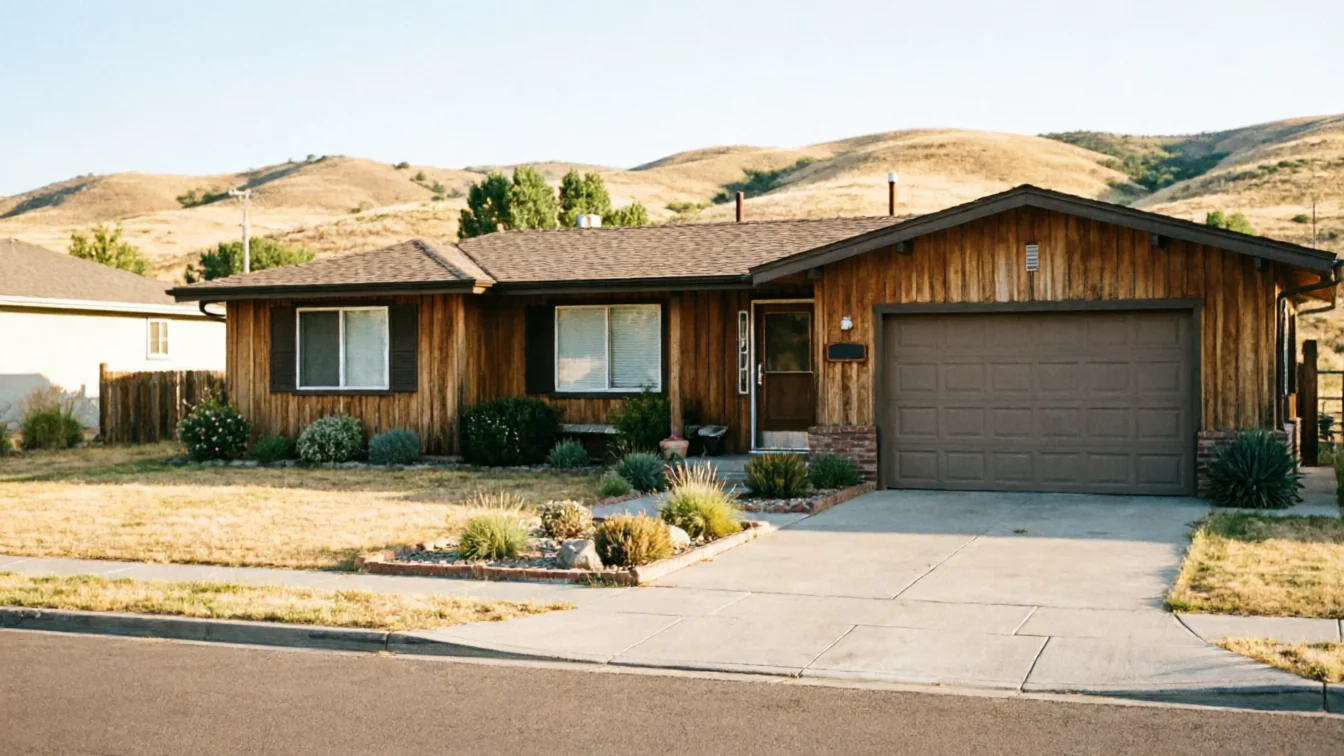
Maintenance for the steel sectional doors common in Otis Orchards-East Farms homes built around 1978, serviced from Spokane Valley, 7 miles away.
Pricing
Most of the houses out here went up around 1978, which puts the garage door itself past its original service life even if nobody's touched it.
That's a steel sectional door, likely a single-wide 16-foot double or a pair of 9-footers, hung on galvanized track that's spent four and a half decades in a cold-winter climate.
We don't have a flat maintenance price to quote you here, because what we charge depends on whether we're adjusting a torsion spring that's lost tension, replacing hardened rollers, or just lubricating and resetting limits on an opener that's drifted out of balance.
What we can tell you is that a maintenance visit costs a fraction of a spring failure or a cable snap, and that waiting until the door won't open at all almost always costs more than catching the wear early. If you want a number, ask when you call - we'll tell you straight, not after we're in the garage.
On the truck
On a door built in the late 1970s you're usually looking at galvanized torsion springs sized for a steel sectional panel door, standard 2-inch track rollers, and either a chain-drive or screw-drive opener depending on what's been swapped in over the years. We carry the spring sizes and roller types that fit this era of door, along with cables rated for the cold - this part of the state gets a real winter, and cold makes steel cable brittle faster than people expect. What we don't stock on the truck is anything custom: a non-standard panel width, an obsolete opener logic board, or hardware from a door that's been discontinued. If your door needs one of those, we'll tell you up front rather than make you wait on a part we don't have.
DIY or pro
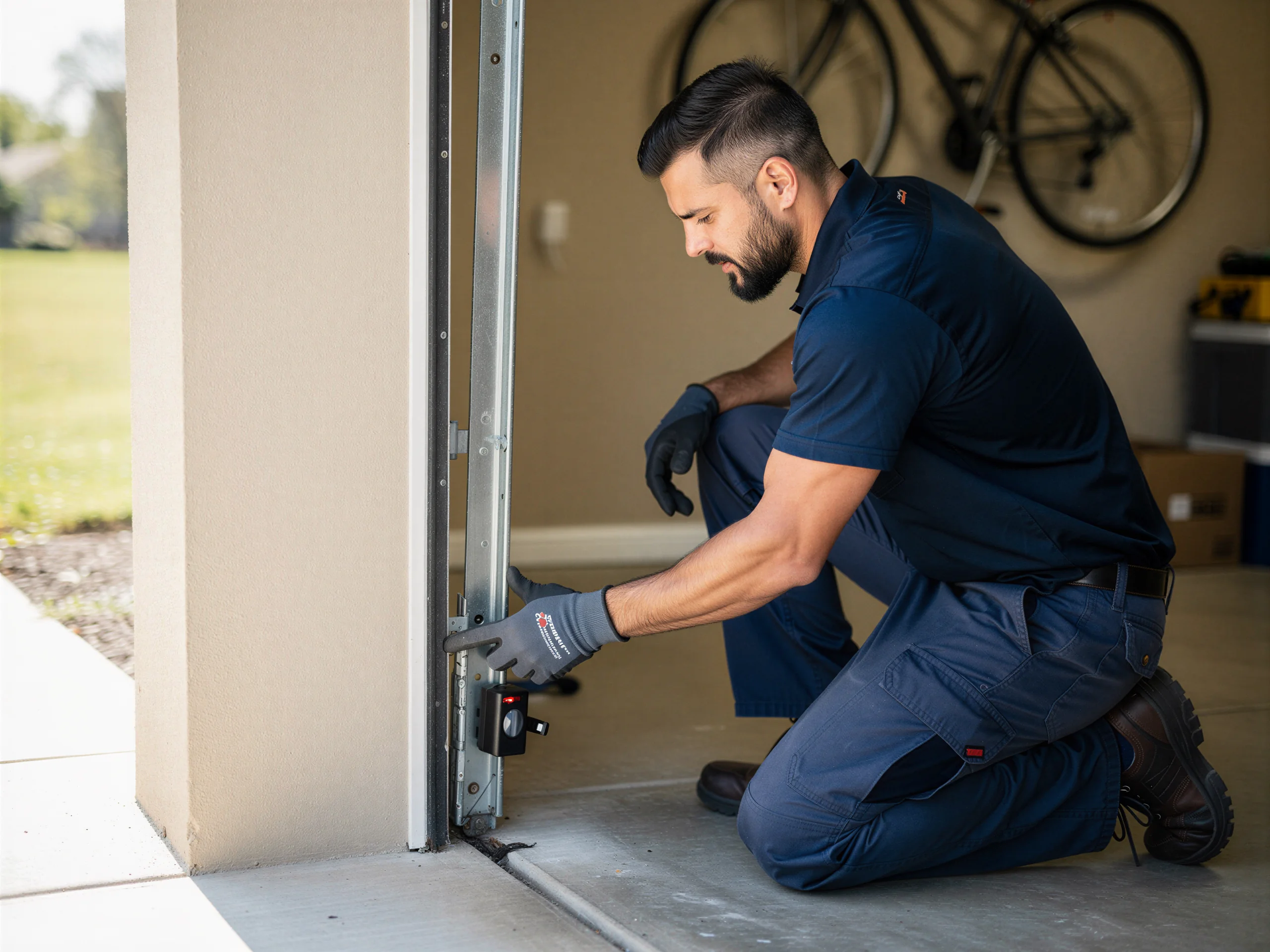
There's real maintenance a homeowner can do without a wrench near a spring. Vacuum the tracks, wipe them down, and check that the door is still balanced - disconnect the opener, lift the door halfway by hand, and let go.
If it stays put, the springs are doing their job. If it drops or shoots up, the springs are off and that's not a DIY fix. Lubricate rollers and hinges with a garage-door-specific lubricant, not WD-40, which washes grease out rather than replacing it.
Check the weatherstripping at the bottom - on a door this age it's often cracked from years of cold, and a gap there is letting winter air straight into the garage.
What you should not touch is the torsion spring itself. Those are under enough tension to break bones, and on a door this old the spring and its anchor bolts have had 45 winters to corrode. That one's ours.
Timing
A standard tune-up - balance check, lubrication, hardware inspection, opener adjustment - runs about the time it takes to do it right, not rushed. If we find a spring that needs replacing or rollers that have gone flat-sided from age, that adds to the visit, and we'll tell you before we start rather than surprise you at the end. We travel from Spokane Valley to get here, about 7 miles, so we schedule the trip rather than drop by on a whim - plan on booking ahead rather than expecting a same-day walk-in.
Our process
We start with the door the way it actually sits, not the way the manual says it should. On houses in this area, median build year 1978, that usually means original or near-original hardware: torsion springs sized for a door that's heavier than modern insulated panels, track that's been painted over a few times, and an opener that may or may not be the original unit. We check spring tension first, because an unbalanced door wears out every other part faster - the opener strains, the cables stretch, the rollers wear unevenly. From there we inspect cables for fraying, rollers for flat spots, and hinges for the kind of looseness that comes from decades of use in a cold-winter climate where metal contracts and expands every season. We adjust what can be adjusted and replace what's worn past that point. We don't recommend replacing a whole door if the panel and frame are sound - sometimes the fix really is just new springs and fresh lubrication, and we'll say so even when a full replacement would be the bigger sale.
Questions
Once a year is reasonable for most doors, but if yours is original to a house built in the 1960s or 70s, twice a year through spring and fall catches problems before winter cold makes them worse. Cold makes steel brittle and grease stiff, so a fall check before the hard freezes matters more here than in a milder climate.
Not necessarily. A steel sectional door from the 1970s or 80s can often run fine for years with a spring swap, new rollers, and proper lubrication. We replace doors when the panels are rusted through, the track is bent beyond adjustment, or parts for that specific model are no longer made - not just because the door has some age on it.
No. We're based in Spokane Valley, about 7 miles away, and we travel out to Otis Orchards-East Farms for scheduled visits. We don't keep a local depot here, so maintenance calls get booked rather than handled same-day.
This area sits in a cold climate band with real winter severity. Cold stiffens lubricant, shrinks metal cable, and makes torsion springs more likely to snap under stress they'd shrug off in warmer weather. A fall tune-up that re-lubricates and checks spring tension before the cold sets in prevents a lot of midwinter breakdowns.
Explore more
Ready when you are
Spokane Valley Garage Door Pros repairs and installs garage doors, springs and openers in Spokane Valley, WA and the surrounding area.