
No showroom visits
We don't carry a showroom you can walk into and look at doors in person; if you want to see finishes and panel styles, that conversation happens over photos and spec sheets, not a lot you can touch.
Country Homes, Spokane Valley WA
Garage door repair in Country Homes, WA, 10 miles from Spokane Valley. Spring, opener, and track work matched to homes built mostly in the 1960s and 1970s.
What we do here
Our limits
We work out of Spokane Valley and drive to Country Homes for every job - we don't keep a crew or a parts cage sitting out here, so we're not the outfit to call if you want someone standing by around the clock.
We don't carry a showroom you can walk into and look at doors in person; if you want to see finishes and panel styles, that conversation happens over photos and spec sheets, not a lot you can touch.
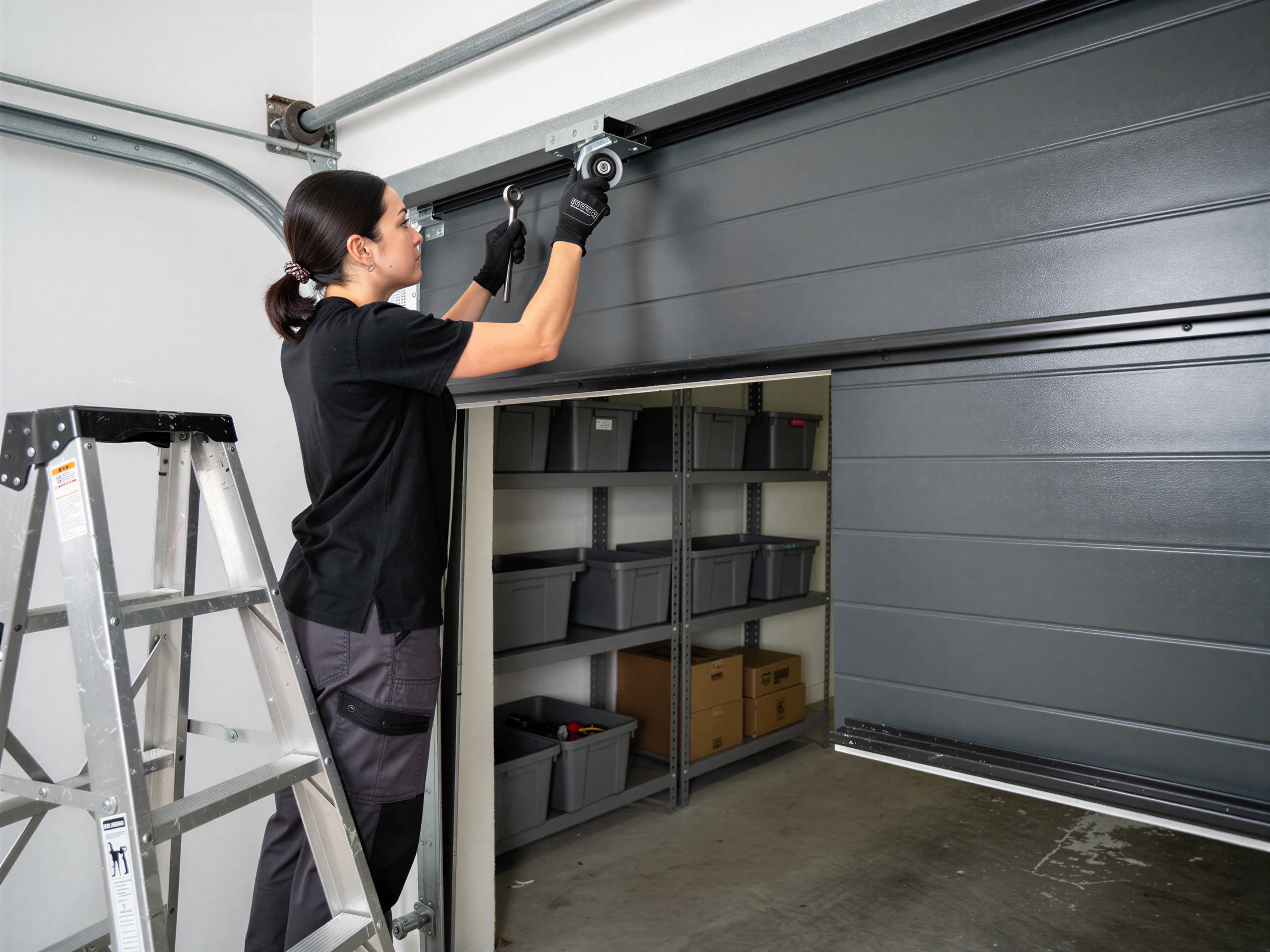
We also won't sell you a full door replacement on a torsion spring that just needs resetting - if the track is straight and the drum's not cracked, we'll say so, even though a new door pays better.
On the stock most common around here, the original extension-spring hardware from the 60s and 70s, we'll tell you plainly when a repair is the better call and when it's throwing money at a system that's done. That honesty costs us upsells sometimes, but a door that just needed a cable isn't getting sold a new opener.
Service area
Country Homes runs about ten miles from our shop in Spokane Valley, which puts it on the far side of the service area compared to closer stops like Veradale or Greenacres.
It sits in the same general stretch as Mead, Town and Country, and Fairwood - all roughly ten to eleven miles out, all served from the same truck route.
That distance doesn't change what we charge or how we quote, but it does mean we plan the day around it rather than treating it as a quick add-on between closer calls.
If you're trying to place it relative to other spots we cover, Otis Orchards-East Farms sits a little closer in at seven miles, and Rockford is well past it at fifteen. We mention the mileage because it's real and it's part of how the route gets built, not because it changes the work once we're in your driveway.
Door impact
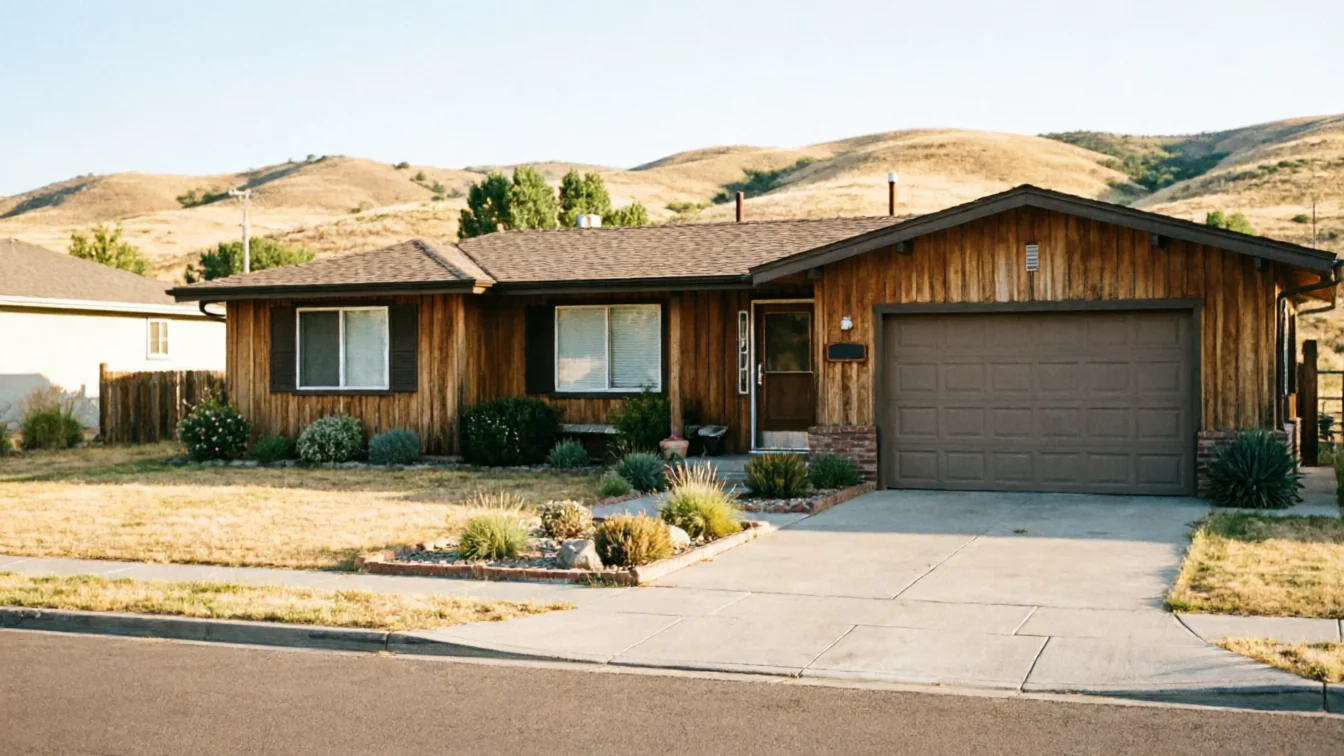
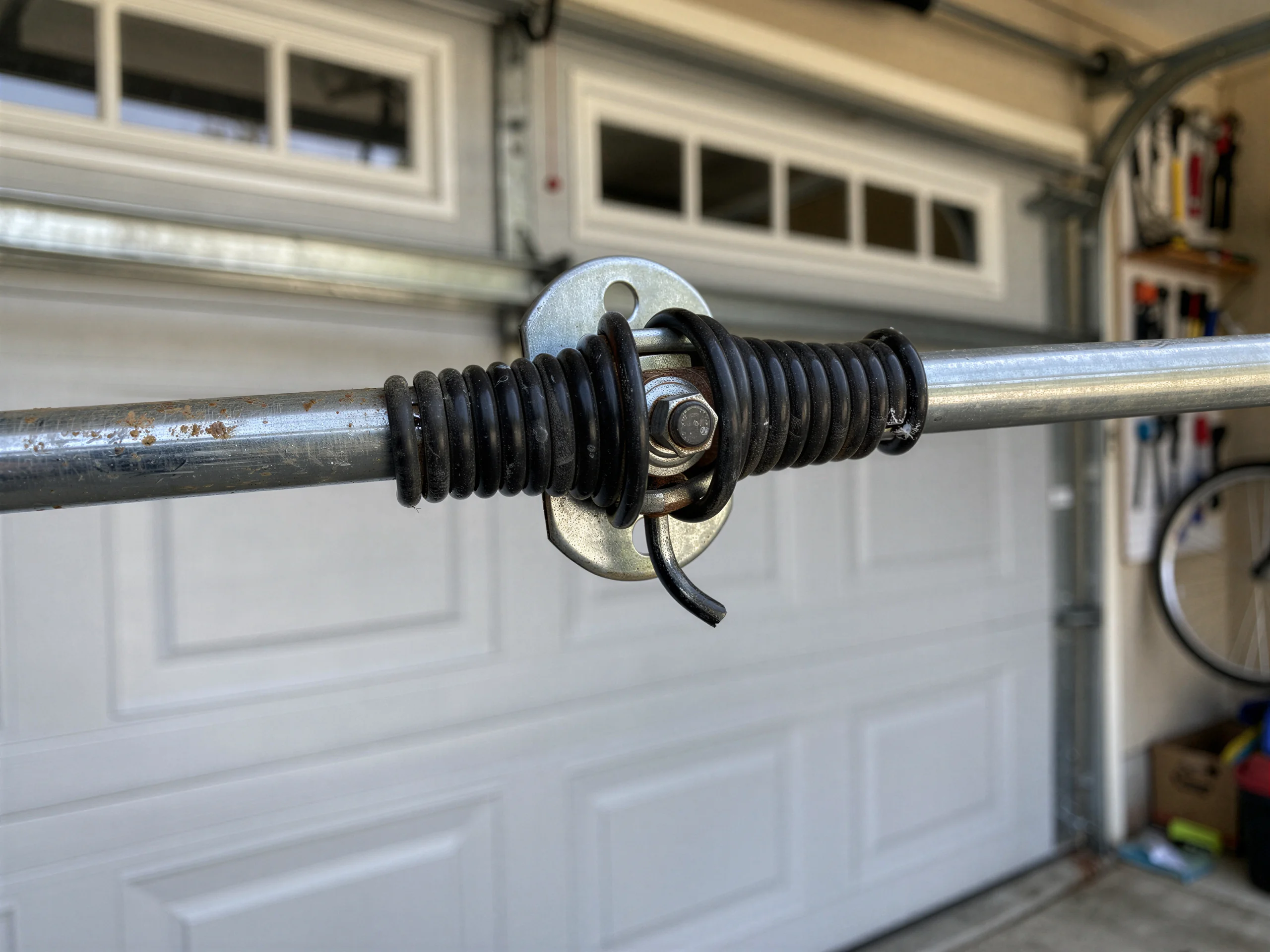
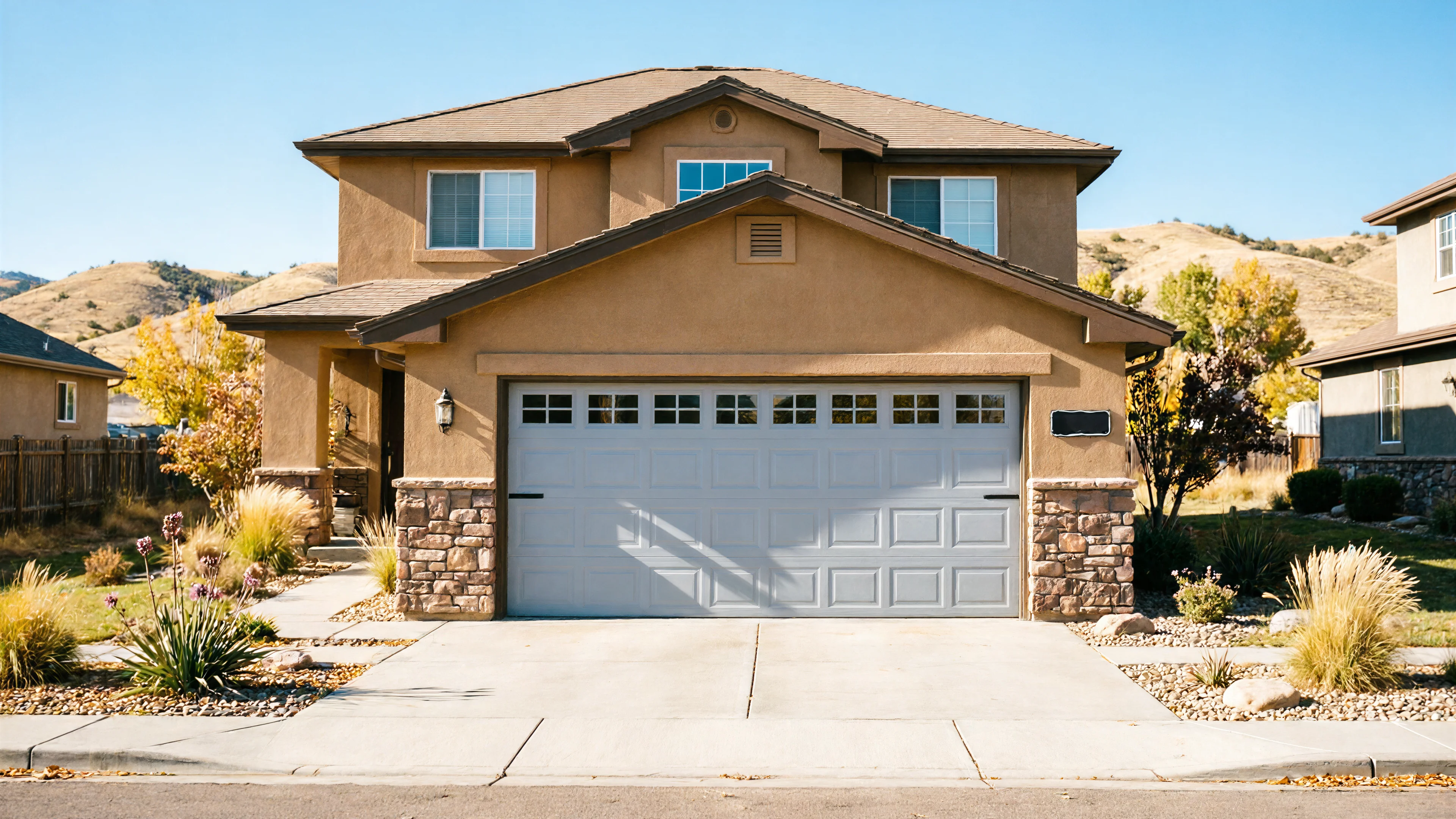
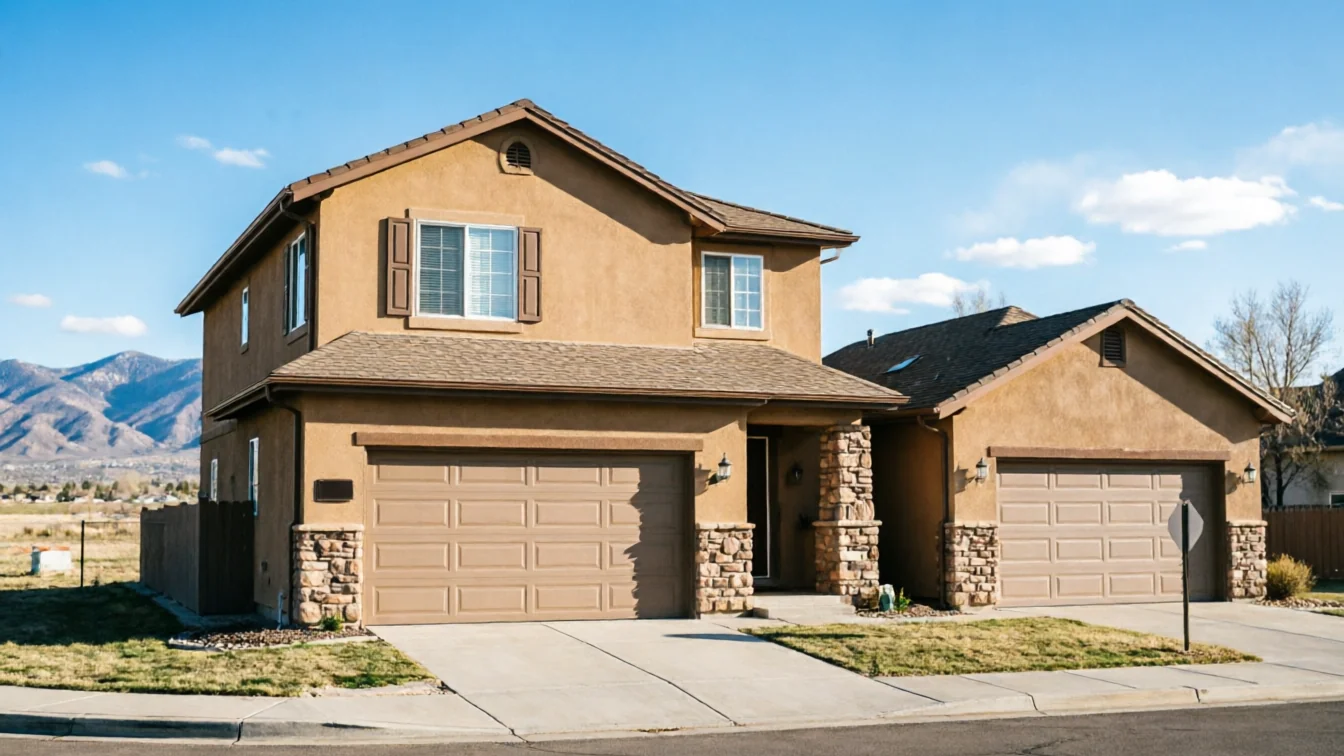
The median year built in Country Homes lands around 1971, a few years ahead of the broader service area's 1978 median, and that gap matters more than it sounds. A house built in the early 70s usually came with a steel door on extension springs mounted along the horizontal track, not the torsion bar setup that became standard later. Those extension-spring systems rely on safety cables that get skipped in a lot of older installs, and after fifty-plus years the galvanizing on the coils is often gone. Add the region's cold, severe climate, and you get steel that contracts hard in winter, rollers that bind in frozen tracks, and springs that lose temper faster than the manufacturer ever accounted for. We see panels original to the house more often out here than in newer pockets of the service area - dented, maybe, but structurally sound enough that replacement isn't automatic. What usually fails first isn't the door itself, it's the hardware bolted to it: the drums, the cable ends, the bottom brackets. Matching new parts to a 50-year-old track takes more fitting than swapping like-for-like on a 2005 build, and it's the kind of job where guessing the bracket size over the phone gets you a second trip.
Local housing
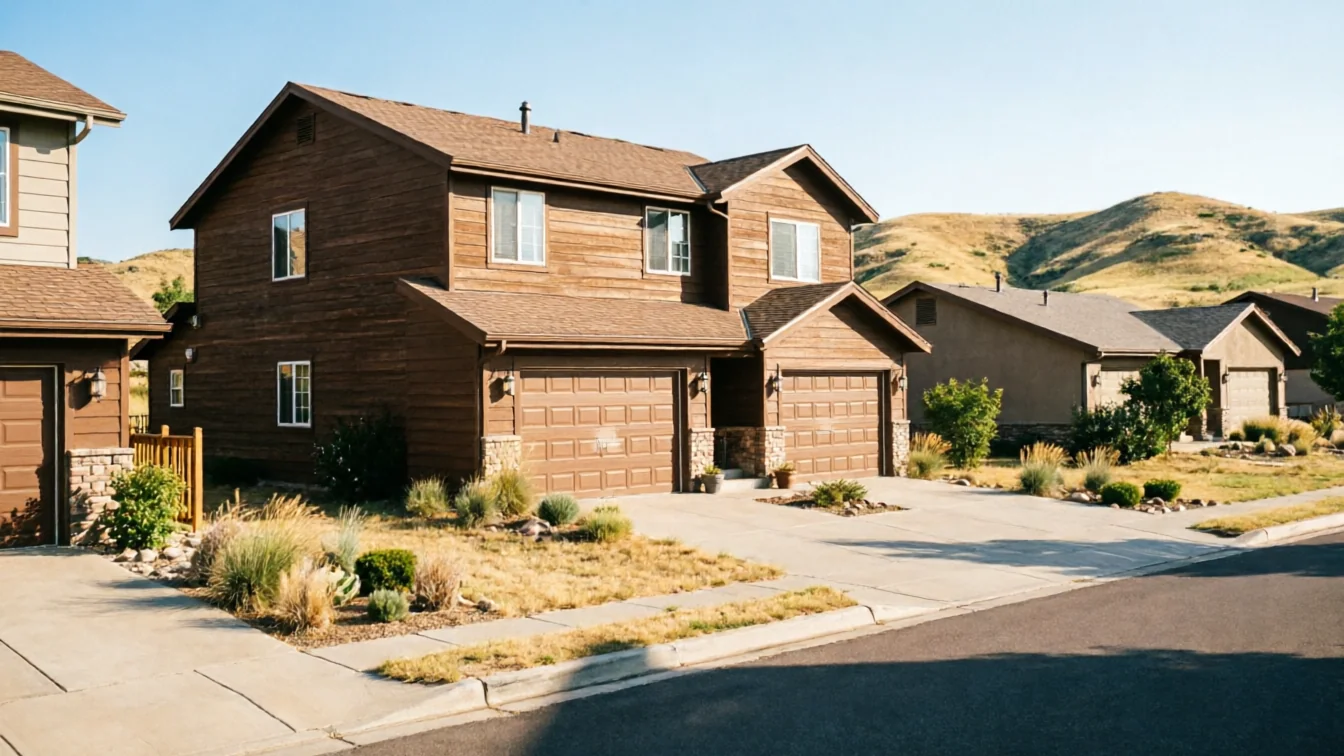
Country Homes counts roughly 1,756 households, a smaller pocket than some of the other named areas in this part of the service district. Median household income here runs about $78,841, matching the figure for the wider service area, which tracks with the kind of mid-century single-family construction that dominates the streets - solid, modest-sized houses rather than large new-builds. Across the full eleven-area service territory there are 21,258 households and 10,366 owner-occupied houses, built anywhere from 1951 up through 2008, but Country Homes itself skews toward the earlier end of that range. That matters for anyone budgeting a repair: a door and opener sized for a 1,400-square-foot garage from 1971 isn't going to need the same horsepower or spring count as a three-car bay in a house built in the 2000s. It also means the common failure points repeat - the same era of door, the same era of opener chain drives nearing the end of their service life at roughly the same time across a lot of driveways on the same block.
Service areas
Questions
No. We're based in Spokane Valley, about ten miles away, and drive out for every job. We don't keep a local depot or stationed truck in Country Homes, so scheduling is built around the route rather than an on-call presence in the neighborhood.
A lot of Country Homes houses date to around 1971, when extension springs mounted along the horizontal track were the common setup. Torsion bar systems became standard later. If your house hasn't been upgraded, you likely still have the original style, cables and all.
Yes. The region sits in a cold, severe climate band, and galvanized coils on 50-year-old extension springs lose temper faster in hard winter swings. Combined with original hardware, that's a common reason springs that seem fine in fall fail by February.
Not always. If the panels aren't dented through and the track is straight, a repair to springs, cables, or rollers is usually cheaper and gets you more years. We'll tell you honestly when the hardware's worn past that point instead of defaulting to a full replacement.
Ready when you are
Spokane Valley Garage Door Pros repairs and installs garage doors, springs and openers in Spokane Valley, WA and the surrounding area.