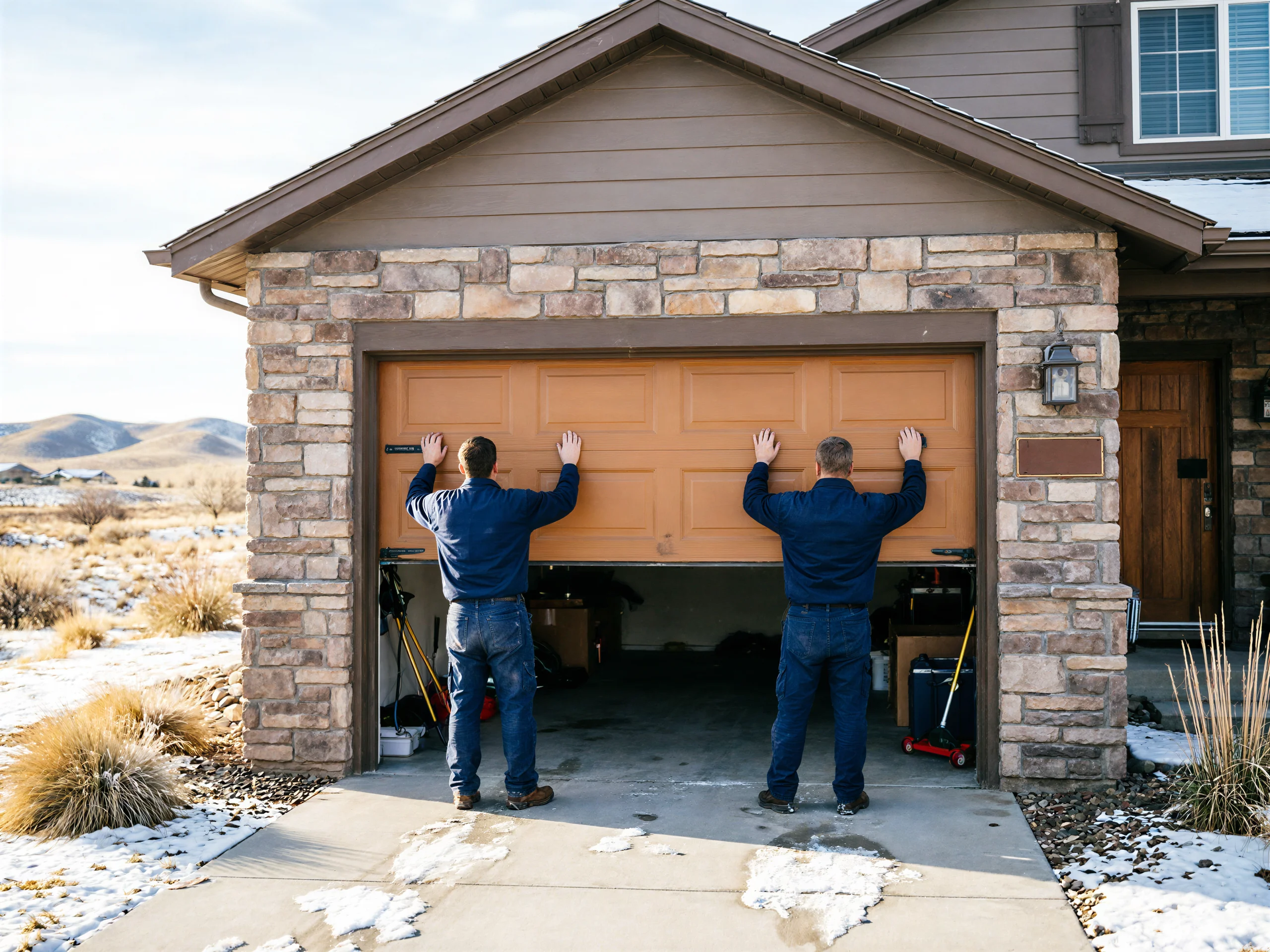
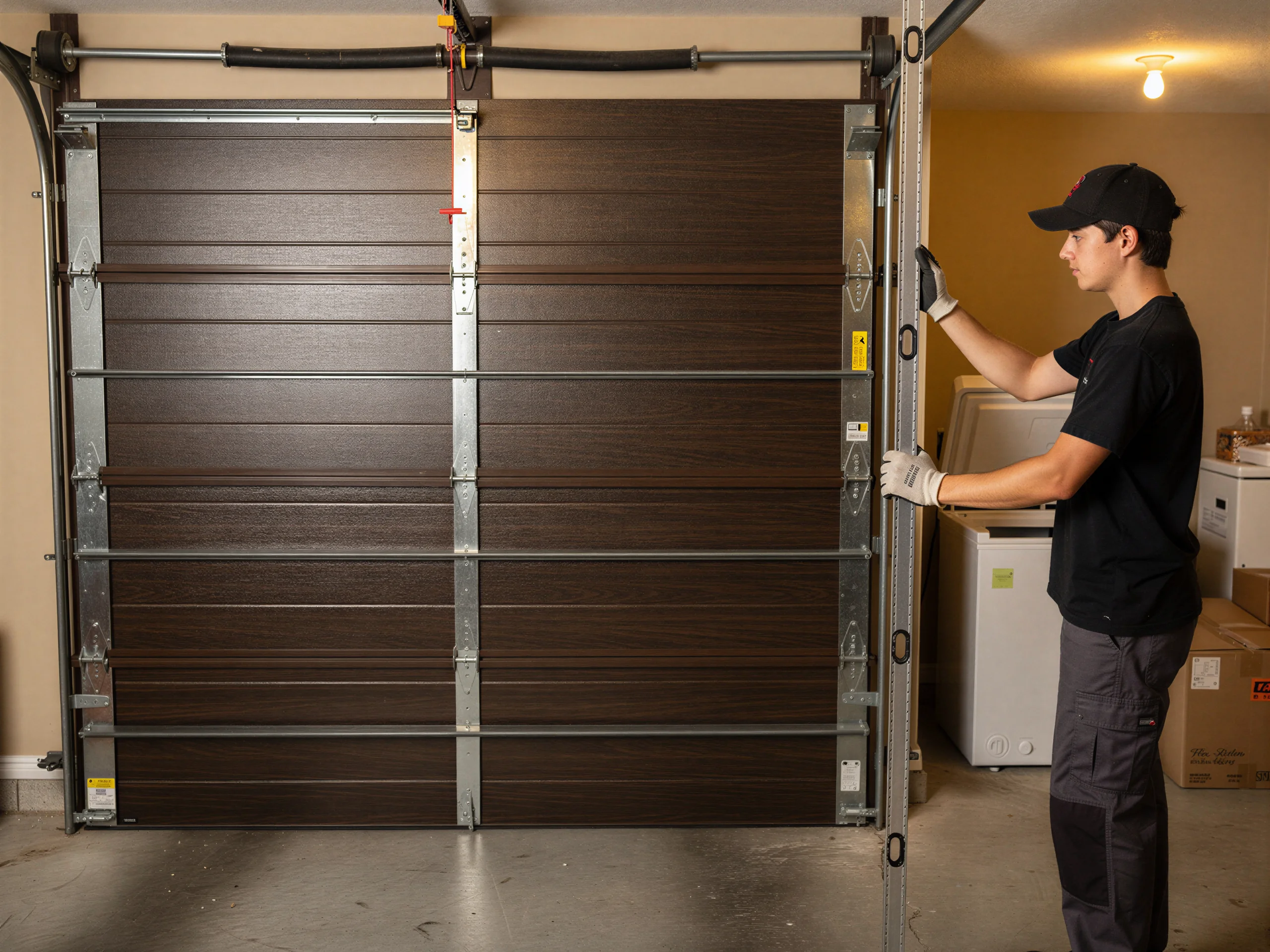
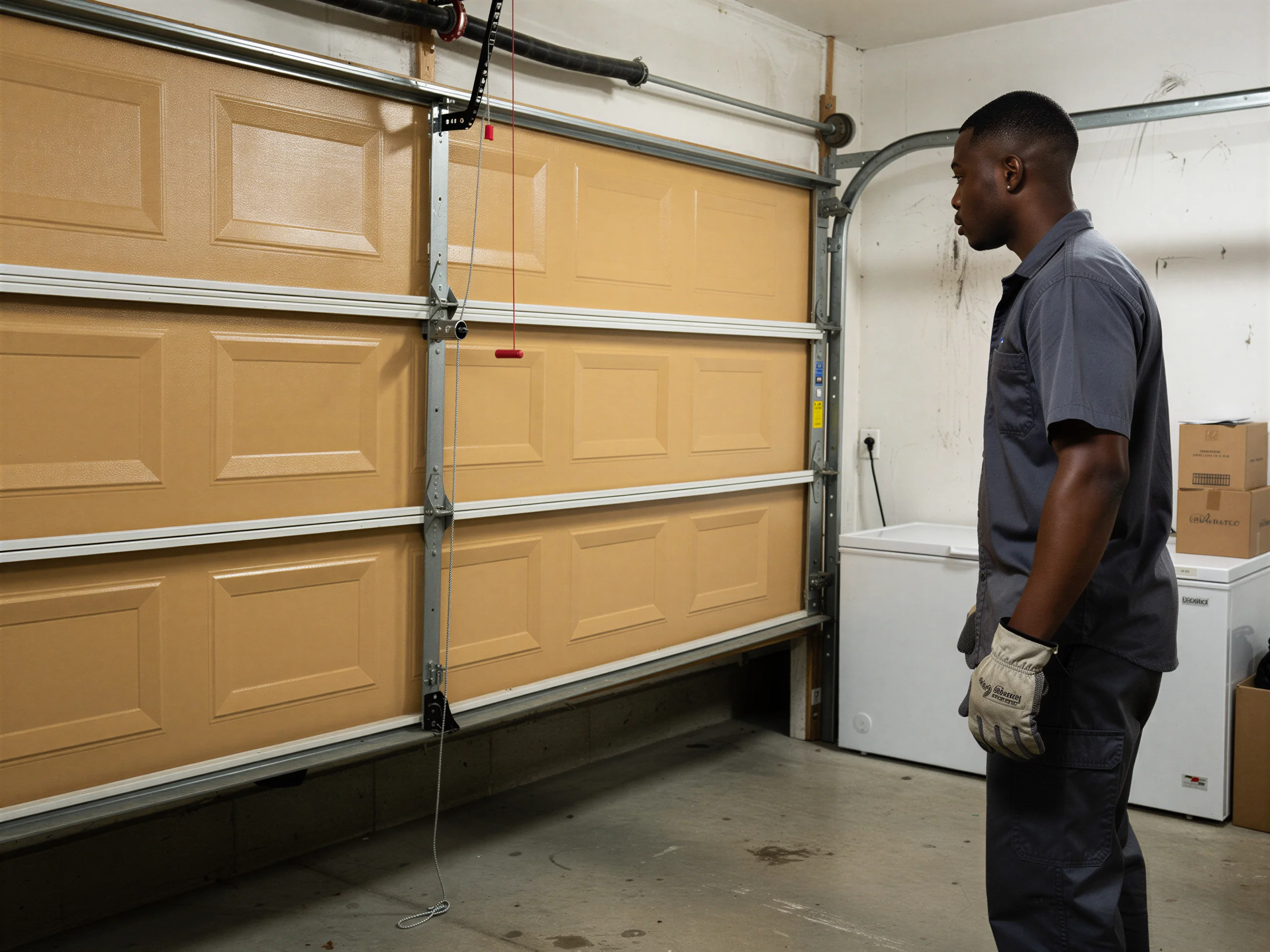
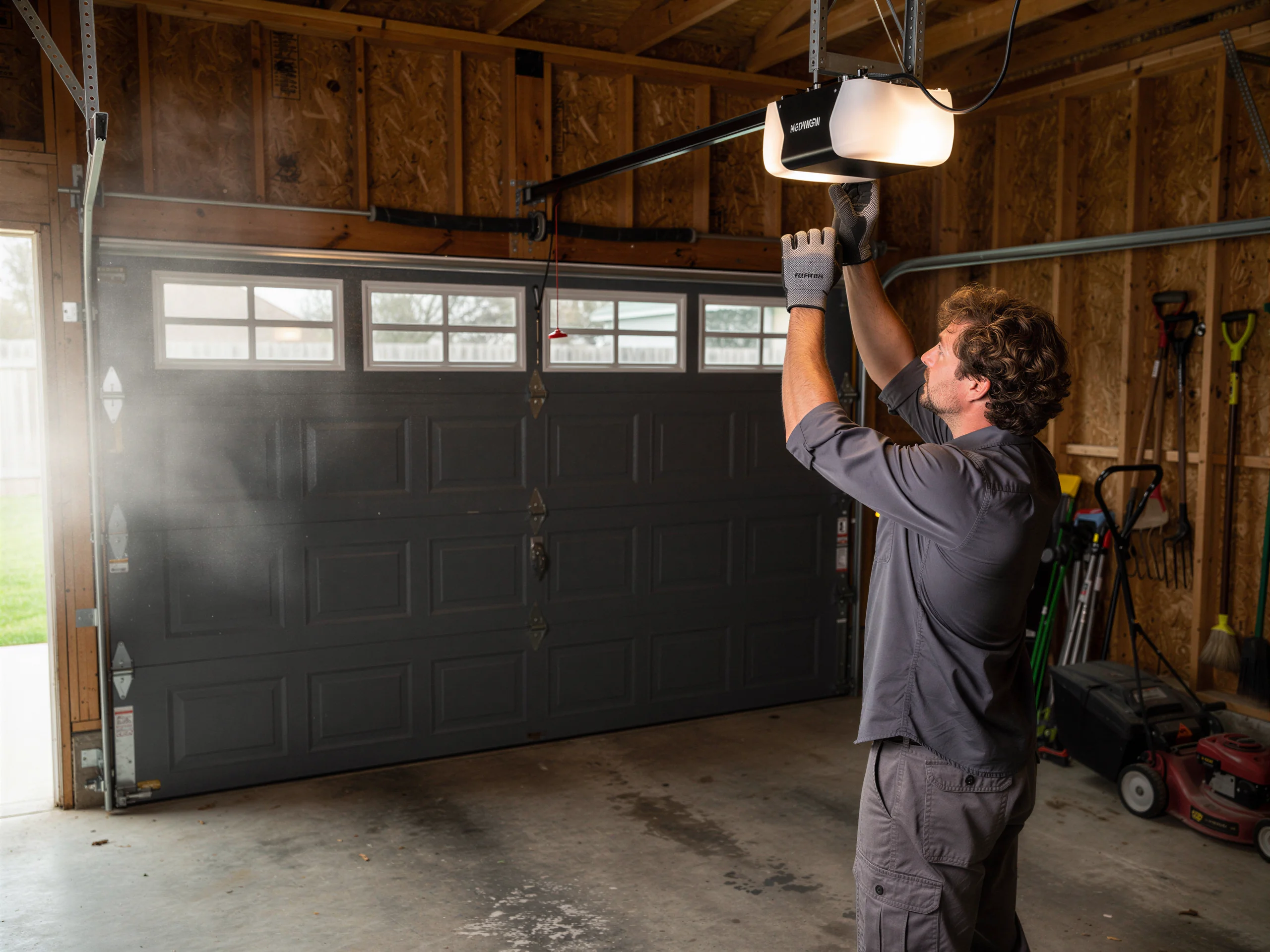
The reason maintenance gets skipped here isn't carelessness - it's that the failure mode is slow and the housing stock makes it worse. With most homes in the service area built between 1951 and 2008, and the bulk from the 1960s and 70s, a huge number of doors are running original or first-replacement hardware that was specified for a different era of use. Torsion springs from that period weren't rated for the cycle counts modern openers put on them, and they weren't built expecting fifty winters in a cold-severe climate band.
Cold is the part people underestimate. Steel contracts, lubricant thickens, and a spring that's already fatigued from age has less give left when the temperature drops hard. That's why you see a cluster of calls after the first real cold snap of the season - it's not new damage, it's old wear finally losing its margin.
Across 21,258 households and roughly 10,366 owner-occupied houses in the service area, that pattern repeats block to block regardless of income level or renovation history. A $78,841 median household income doesn't change the physics of a forty-year-old spring in a cold snap - it just changes whether the owner replaces it before or after it breaks.