Second or third system
That gap matters more than it sounds. By the time a homeowner here calls about a new door, the opener and track on that opening is usually the second or third system installed since 1959, not the original.
Town And Country, Spokane Valley
Town and Country homes date to a 1959 median build year, older than most of the service area. We install new doors sized for that hardware, from a Spokane Valley truck.
Pricing
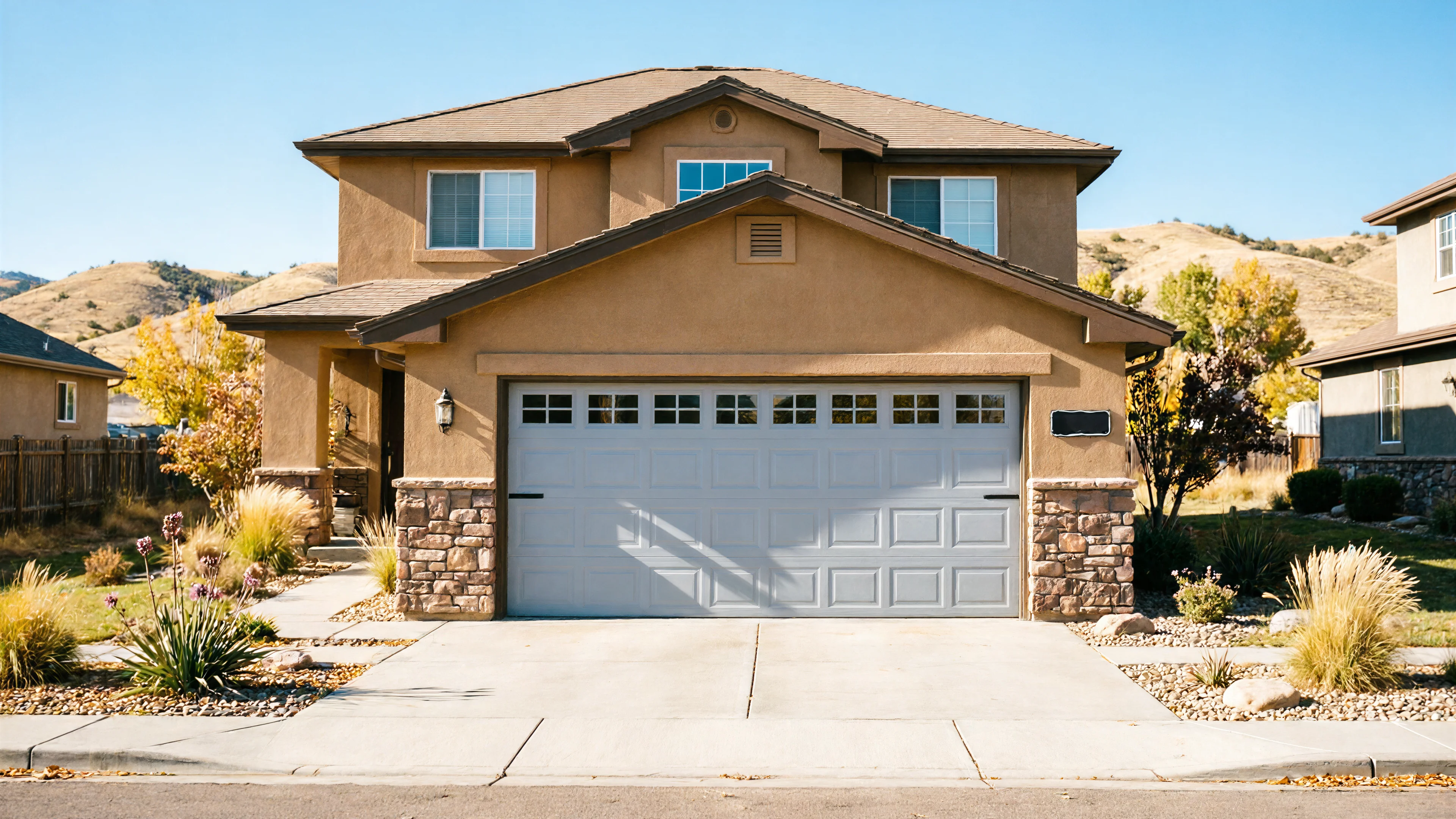
Town and Country's housing stock runs older than most of the areas we cover - median build year 1959, a full two decades ahead of the 1978 median across the wider service area.
That gap matters more than it sounds. By the time a homeowner here calls about a new door, the opener and track on that opening is usually the second or third system installed since 1959, not the original.
Openings were often framed for a single narrower door style that's now out of step with the taller, heavier panels most manufacturers sell today, which means a straight swap sometimes turns into a frame or track adjustment job. We can't quote a number here without seeing the opening - door width, track type, insulation level, and whether the opener needs replacing too all move the job.
What we can say is that household income in Town and Country runs to $87,561, above the $78,841 median across the rest of the service area, and we see that reflected in more owners choosing insulated steel or heavier wood-look panels over the bare minimum.
That's a buying pattern, not a price promise. One honest limit: if your opening is non-standard for its age, we may need a part ordered in before we can finish the install in one visit. We'll tell you that at the estimate, not after we've started.
Booking
We cover Town and Country out of Spokane Valley, about 10 miles out, so there's no local branch to stop by - booking happens by phone or through the site, and the job itself starts with a truck coming to you.
Because the drive is part of the job, we schedule installs rather than working on a same-day walk-in basis the way a shop five minutes away might. When you call, have the rough age of your current door and opener ready if you know it - for a lot of Town and Country properties that's going to trace back toward that 1959 build era even if the door itself has been swapped once or twice since.
That detail alone tells us a lot about what track and header clearance we're likely dealing with before we ever measure in person. We'll set a time, take measurements on site, and go over panel, insulation, and opener options against your actual opening rather than a catalog average.
From there the install gets scheduled once materials are confirmed. See our general coverage for Spokane Valley and the surrounding area, and our Town and Country service page, for how the rest of the process runs.
On the truck
For a 1959-era opening, the parts question usually isn't about the door panel - it's about whether the track, header bracket, and spring mounting were updated to modern sizing at some point or are still running on whatever got bolted in decades back.
We stock standard torsion springs rated for the heavier insulated sections most homeowners choose now, along with common track widths and roller types that fit both older narrow-frame openings and newer standard ones. We don't keep every obsolete bracket or discontinued opener rail in the truck.
If your opening still has an unusual mounting setup from an earlier retrofit, that part sometimes has to be special-ordered, and we'll flag that as a possible delay rather than promise a part we don't have on hand.
Given the area's severe cold rating, we lean toward recommending insulated steel sections with sealed bottom and side weatherstripping for new installs here rather than single-layer panels - the difference shows up directly in how much cold air moves through an uninsulated door on a below-freezing night. That's a recommendation based on climate, not a requirement we force on every job.
Our process
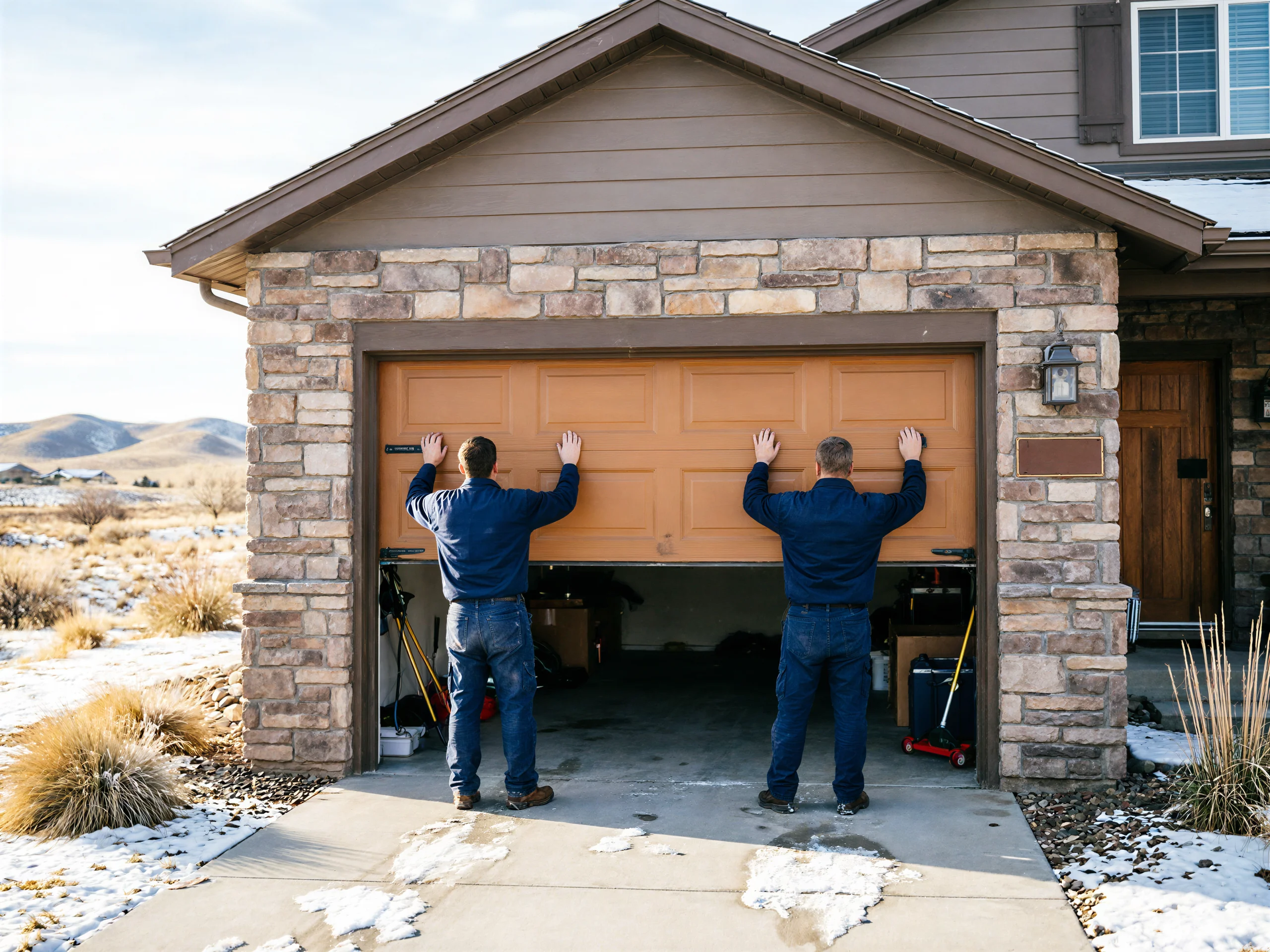
A new install starts with pulling the old door, track, and often the spring assembly, then checking the header and jambs against the new unit's specs - this is the step where a 1959-dated opening tends to surprise people, because framing tolerances from that era weren't always built to the same clearances manufacturers assume today. We shim, re-square, or adjust bracket positions as needed before the new door ever goes up.
Once the frame checks out, we mount new track, set the spring to match the door weight, hang the panels, and balance the door by hand before the opener goes on. Balance testing matters more on heavier insulated doors, which is most of what goes in now given the climate here.
If the opener itself is original to a prior retrofit rather than the house, we test it against the new door's weight before reusing it - sometimes it carries the load fine, sometimes it doesn't, and we'd rather tell you that honestly than reuse a motor that's going to burn out in six months.
Warning signs
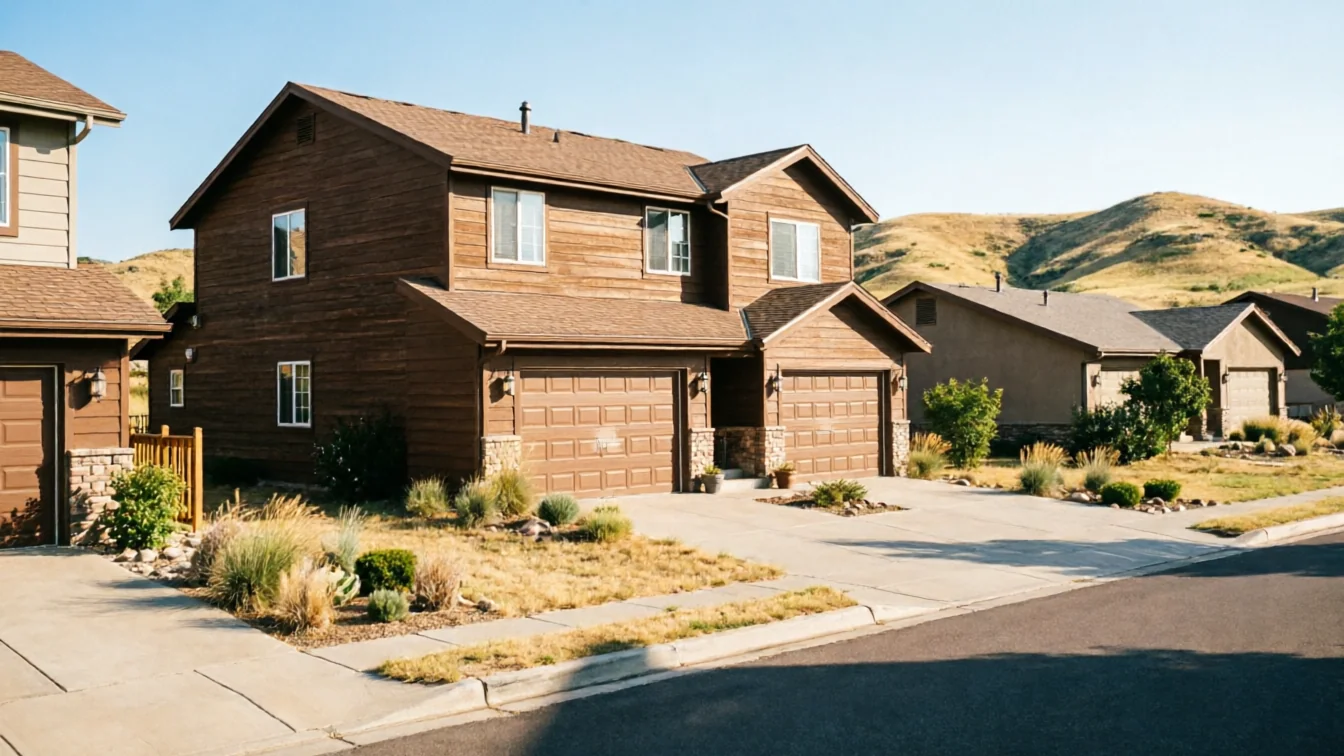
On a property with a 1959 median build year, the usual sign we see isn't a dramatic failure - it's a door that's been quietly limping along on mismatched parts from two or three different decades. A spring sized for an old uninsulated panel straining against a heavier replacement door someone installed years back. A track bent just enough from age that the door runs rough but still closes, so nobody's called about it yet.
Cold is a factor too. In a severe cold climate band, an older uninsulated door loses heat straight through the panel and around loose weatherstripping, and homeowners often notice that as a higher heating bill before they notice it as a door problem at all.
With only 2,074 households in Town and Country, compared to roughly 21,258 across the full area we cover, we're not running a daily route through this specific area - most calls here come from a homeowner who's already decided a repair isn't worth it anymore and wants the whole door and hardware replaced at once, which is usually the more sensible call once a door is carrying parts from three different installs.
Questions
In most cases yes, but we check the header and jamb clearance on site first. Openings from that era weren't always framed to the tolerances modern insulated doors assume, so we sometimes need to adjust the frame before the new door goes in rather than treating it as a drop-in swap.
No. We cover Town and Country from Spokane Valley, about 10 miles out. Installs are scheduled rather than same-day walk-ins, since the job starts with a truck driving to you with the right parts already on board.
Given the severe cold rating for this area, yes - we recommend insulated steel sections with sealed weatherstripping for most new installs here, especially replacing an older uninsulated panel. It's a recommendation based on the climate band, not something we require on every job.
Sometimes. We test the opener against the new door's weight before reusing it. If it's an older unit from a prior retrofit rather than original equipment, it may not be rated for a heavier insulated panel, and we'd rather tell you that than put a strained motor back on the wall.
Explore more
Ready when you are
Spokane Valley Garage Door Pros repairs and installs garage doors, springs and openers in Spokane Valley, WA and the surrounding area.